
Why Chicago's Flooding Problem Is Getting Worse
Chicago's flooding crisis is intensifying. New research shows intense rainfall has increased sevenfold over a century, overwhelming aging sewer infrastructure.
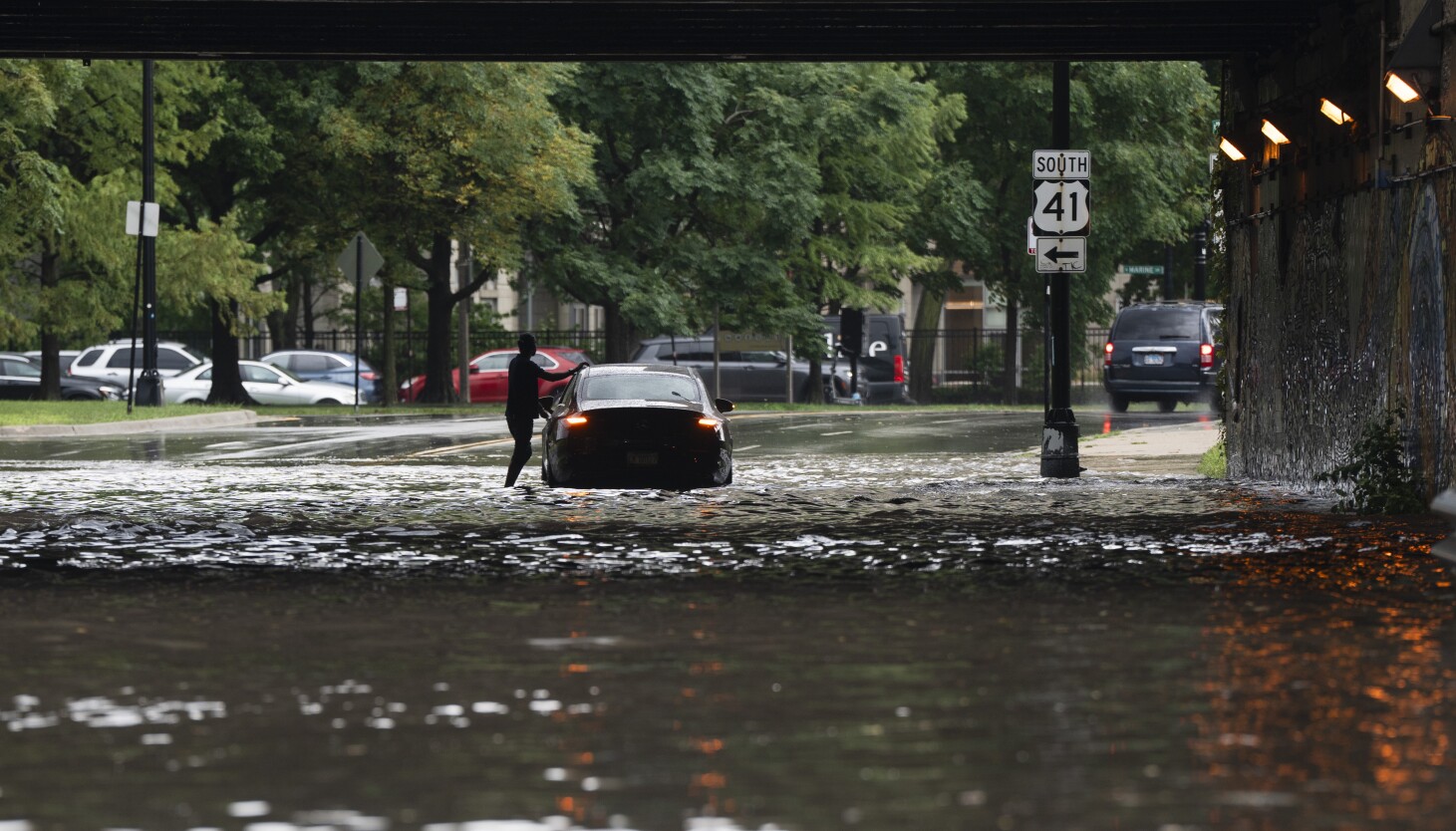
Chicago’s flooding problem is getting measurably worse, and a University of Illinois research document is putting hard numbers to the threat residents across every neighborhood already feel.
“Bulletin 76,” a research communication from University of Illinois scientists, warned that intense rainfall worsened by climate change will grow significantly more severe over the next 25 years. “What is considered safe and adequate today may not be true in the future,” the researchers wrote about risks to people, homes, and buildings.
The numbers are striking. Over the last century, the probability of intense rainstorms in Chicago has increased sevenfold. Those storms can drop more than 8.5 inches of rain within a 24-hour period. The city’s sewer system, designed decades ago, can handle roughly 2 inches in that same window before flooding becomes likely. That gap between what the sky delivers and what the pipes can take is widening every year.
It’s a structural problem rooted in geography. Chicago was built on a swamp, and the city has struggled with drainage since its founding. The modern sewer network wasn’t engineered for the rainfall volumes that climate scientists now project for the coming decades, and retrofitting an underground system beneath one of the country’s densest urban grids doesn’t happen fast or cheap.
Construction on the so-called Deep Tunnel began roughly 50 years ago, an ambitious response to Chicago’s old flood-control method: dumping sewage overflow directly into the Chicago River. That practice continues today, though less frequently than before. The Deep Tunnel system, a multi-billion-dollar network of underground tunnels and massive reservoirs built to capture floodwater, has helped protect the river and Lake Michigan from the worst contamination. The Metropolitan Water Reclamation District of Greater Chicago, which operates the system, has spent decades expanding its capacity, including at the Thornton Quarry reservoir in the south suburbs.
But the Deep Tunnel hasn’t solved the problem that hits Chicagoans where they live.
Neighborhood sewer lines carry both stormwater and sewage. When those lines back up, the overflow goes one place: into basement drains. Furniture, appliances, flooring, finished spaces. Gone. The health conditions left behind can be serious, particularly in older homes where residents may lack the resources to remediate properly. The damage estimates run into the hundreds of millions of dollars across the city.
South Side and Northwest Side neighborhoods have historically absorbed some of the worst of it, though as the Chicago Sun-Times has reported, the math now points to risk across every Chicago neighborhood without exception.
The core issue is speed. Rain falls harder and faster than aging pipes can drain it. By the time water reaches the Deep Tunnel’s massive intake shafts, it has already overwhelmed the local lines feeding those systems. Think of it as a highway with no on-ramps that can accommodate rush-hour traffic. The main artery works fine. The side streets flood.
Climate scientists have been raising these concerns for years, but “Bulletin 76” frames them in terms that city planners and infrastructure engineers can act on. The University of Illinois researchers tied specific rainfall projections to infrastructure capacity thresholds, giving local government a clearer picture of what the next quarter-century demands. The Illinois State Water Survey, which contributed to the bulletin’s underlying data, tracks precipitation trends across the state and has documented the upward shift in extreme rainfall events.
The political question now is money and prioritization. Chicago’s capital infrastructure budget is perpetually stretched, and sewer upgrades compete against transit, road repair, and school facilities for every dollar. Flooding, unlike a crumbling viaduct, tends to stay invisible until the next big storm.
City officials have pointed to green infrastructure programs, permeable pavement projects, and stormwater retention initiatives as part of a longer-term response. The U.S. Environmental Protection Agency’s sewer overflow resources include guidance that Chicago has drawn on for its consent decree obligations. But experts say those measures, while valuable, don’t close the gap that “Bulletin 76” identifies between current capacity and projected rainfall in a warming climate.
For residents in Bridgeport, Avondale, Austin, or Roseland, the debate over infrastructure timelines and funding mechanisms translates to a simpler question every spring and summer: will this storm flood my basement. Based on what University of Illinois scientists now project, the honest answer gets harder to give with confidence each passing season.