
Bears Meet Hammond Mayor at Proposed Indiana Stadium Site
Bears chairman George McCaskey and CEO Kevin Warren visited Hammond's Lost Marsh site, signaling a cross-state move remains a real option.
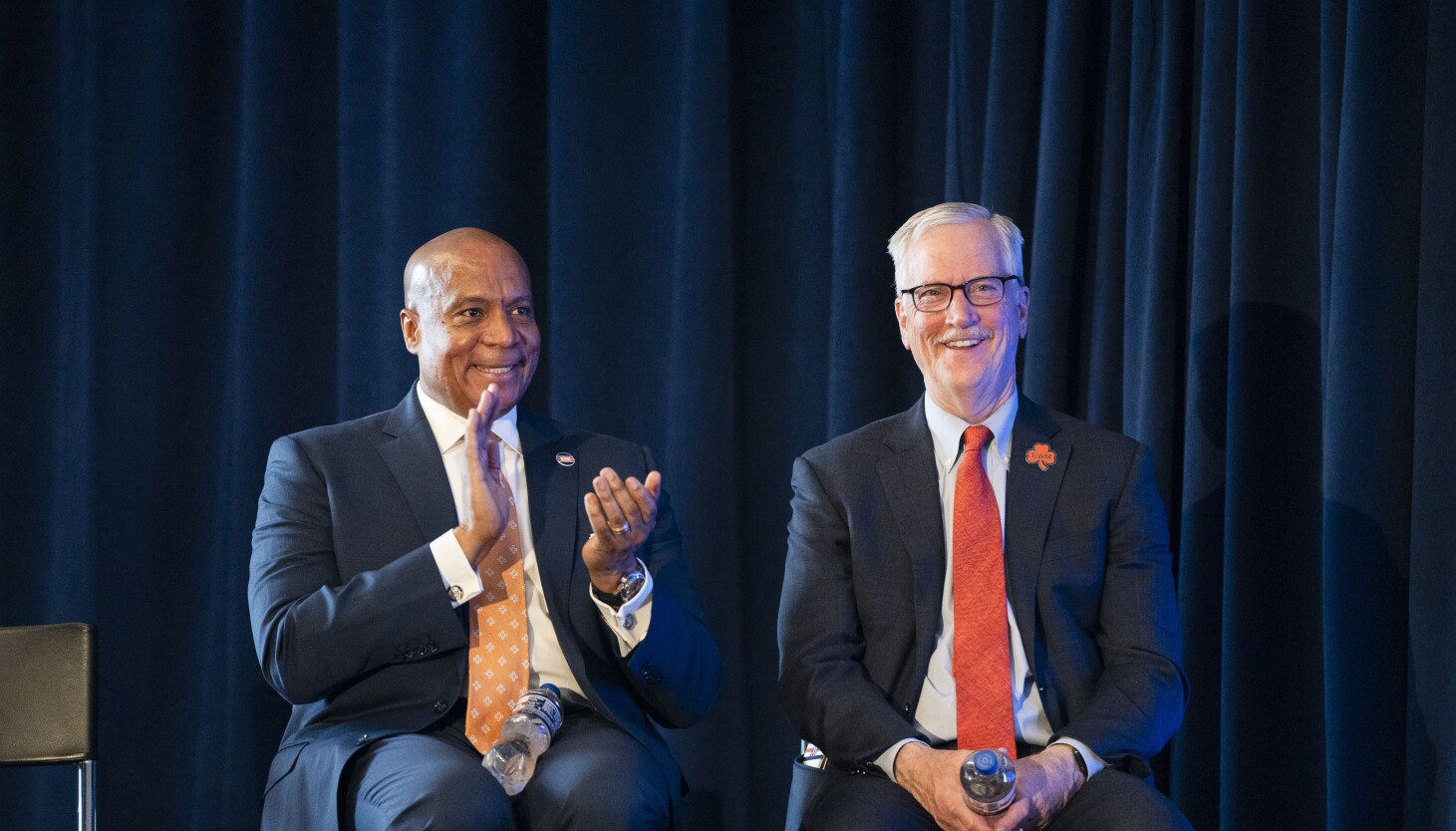
Bears chairman George McCaskey and president/CEO Kevin Warren met Friday with Hammond Mayor Thomas McDermott Jr. at the site of a proposed Indiana stadium, the clearest sign yet that a move across state lines remains a live option as a critical Illinois legislative window approaches.
The meeting took place at Lost Marsh Golf Club near Wolf Lake in Hammond, where the Bears would build a new domed stadium if they abandon their plans in Arlington Heights. Other Bears and Hammond officials attended. A team spokesperson said the Bears “continue to work together with Indiana leaders on our commitment to finish the necessary due diligence work for the Hammond site.”
That language is careful. It doesn’t announce a deal.
McCaskey said as much at the NFL’s annual meeting earlier this month, telling reporters the Bears didn’t yet “have a deal to consider” in Indiana. Due diligence, the team said, is ongoing.
Still, Friday’s site visit was no accident in its timing. It landed on the eve of what could be a decisive stretch for a franchise that has spent years trying to sort out its long-term home. The Bears own 326 acres in Arlington Heights and have been weighing a domed stadium there against the Hammond option. Indiana sweetened the pot in February, when the state established the Northwest Indiana Stadium Authority, a new body that would issue bonds to finance a stadium if the Bears commit to crossing state lines.
The pressure now shifts back to Springfield.
The Illinois House of Representatives could vote as early as next week on PILOT legislation, shorthand for payment in lieu of taxes, which would let the Bears renegotiate their property tax obligations with Arlington Heights. The House is in session Tuesday through Thursday before recessing until May 5. If the bill clears the House, it still needs Senate approval before the Illinois General Assembly session closes May 31. After that, the Bears would need to negotiate an actual tax rate with Arlington Heights and secure infrastructure funding.
That’s a lot of steps. Each one is a place the deal can stall or die.
At the NFL annual meeting, Warren, McCaskey, and NFL Commissioner Roger Goodell all signaled they want resolution soon. Goodell didn’t mince words. “This is an important time to get this resolved, sooner rather than later,” he said.
The Bears expect to make a decision by late spring or early summer, according to the Chicago Sun-Times, which reported on the Friday gathering.
For Chicago, the stakes extend well beyond football. Losing the Bears to Indiana would hand a neighboring state a marquee NFL franchise that has played in Illinois since 1921, first at Wrigley Field and then at what is now Soldier Field. The economic and symbolic blow to the city would be significant, and Mayor Brandon Johnson’s administration has been conspicuously absent from the loudest conversations about keeping the team.
McCaskey, for his part, has acknowledged what a move would mean for the fan base. If the Bears went to Hammond, he said, Bears fans would, with time, “get used to it.” That framing did not go over warmly among supporters who spent decades filling Soldier Field on the lakefront.
The Hammond site near Wolf Lake sits just across the Illinois-Indiana border, roughly 25 miles from downtown Chicago. Proponents argue it would still draw from the same metropolitan base. Critics point out that Indiana would collect the tax revenue, Indiana would control the stadium authority, and Illinois would get nothing but a highway drive.
What happens in the Illinois House next week will go a long way toward answering the question of whether the Bears stay. Springfield has dragged on this issue long enough that Hammond now gets site visits from the team’s top leadership. Whether that qualifies as a warning shot or a genuine pivot depends on what legislators do with the time they have left, and that window is measured in days, not months.
The NFL’s stadium development process requires team ownership to present viable plans before the league’s finance committee. The Bears have not yet reached that stage for either site, which means the due diligence phase, in Hammond or Arlington Heights, still has ground to cover before any shovel breaks earth.