Ahmed Shihab-Eldin Detained in Kuwait: Press Freedom Crisis
Award-winning journalist Ahmed Shihab-Eldin has been held in Kuwait for seven weeks. His arrest raises urgent questions about press freedom and media bias.
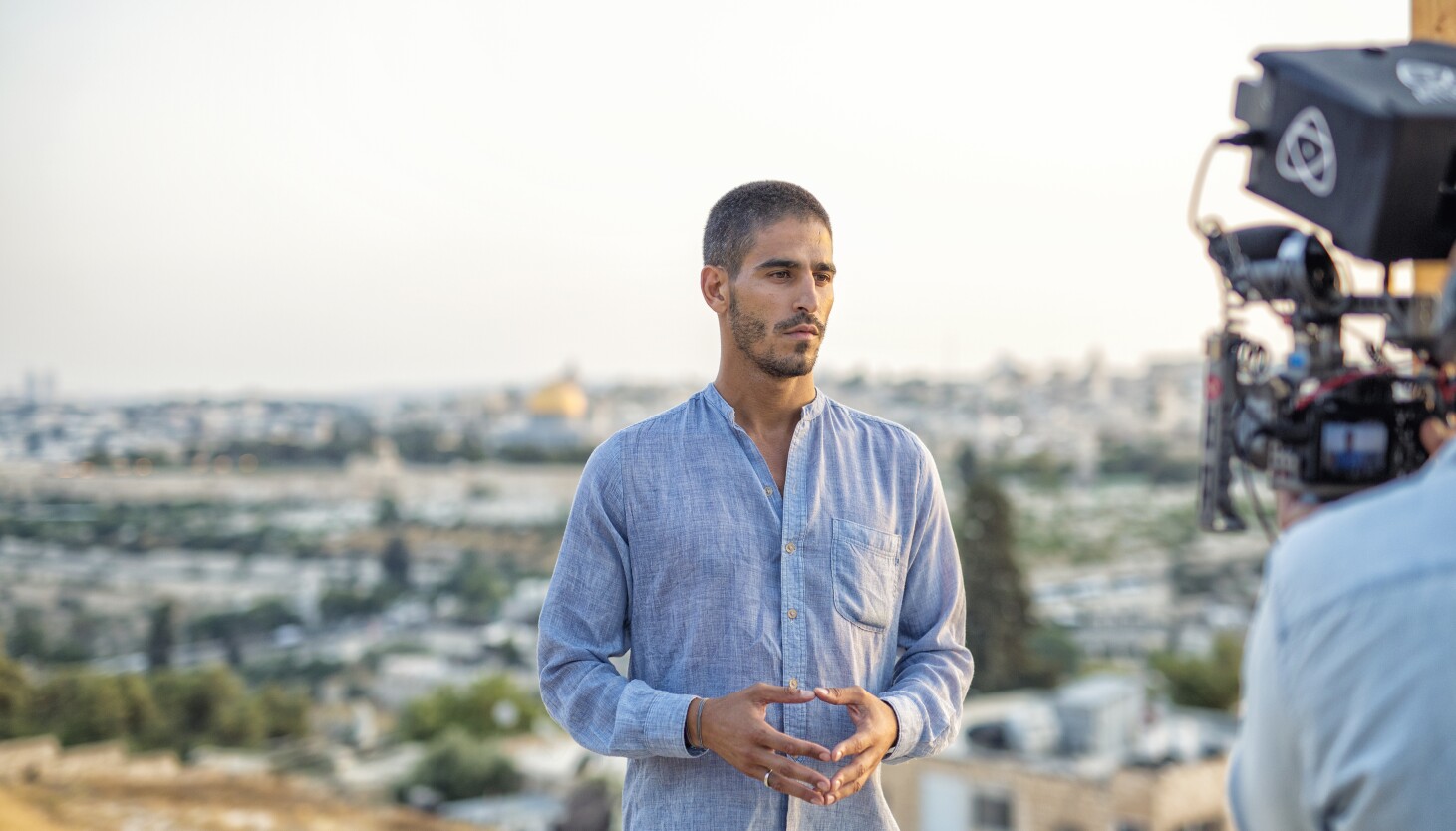
Ahmed Shihab-Eldin, a 41-year-old award-winning journalist, has been detained in Kuwait for nearly seven weeks, held apparently over footage he shared on social media showing aerial military activity linked to the Iran conflict, according to the Chicago Sun-Times.
The Berkeley, California, native reposted footage on Substack and social media after regional tensions escalated. Kuwaiti authorities detained him, and the Committee to Protect Journalists has since launched a petition demanding his release, calling the arrest a direct threat to press freedom across the Middle East.
The detention has drawn attention from press freedom groups, but it hasn’t generated the kind of sustained outrage in American media that cases involving detained Western journalists typically produce. Shihab-Eldin isn’t just a Western journalist who happened to be in the wrong place. He’s a Kuwaiti-American reporter whose dual identity complicates how governments, audiences, and newsrooms perceive his status and his rights.
That’s a problem.
Journalism doesn’t carry different protections depending on the passport a reporter holds. The act of sharing footage of military activity in airspace above a country at the edge of a war zone isn’t espionage. It’s documentation. It’s what reporters do.
The Committee to Protect Journalists said in its petition that it is calling on Kuwaiti authorities to release Shihab-Eldin immediately and unconditionally, and the organization described his detention as part of a broader pattern of governments suppressing conflict reporting under the cover of wartime security concerns.
“The arrest of Ahmed Shihab-Eldin sends a chilling message to every journalist covering the region,” a CPJ representative said in materials supporting the petition drive.
The case resonates differently for journalists who covered Chicago’s own reckoning with power and accountability. Shihab-Eldin was in the city more than a decade ago covering the fallout from the police shooting of Laquan McDonald, one of the defining civil rights stories of that era. He was at Leighton Criminal Courthouse on the Near West Side when Cook County prosecutors dropped charges against Malcolm London, a young poet and activist who had been accused of punching a Chicago police officer during protests. Reporters who were there that day remember Shihab-Eldin’s presence and the quality of his attention to the story.
He understood what the McDonald case meant to Black Chicagoans on the South Side and across the city. He understood that the footage of McDonald’s killing, withheld for more than a year by city officials, was itself the story. The suppression of that video was an act of power. Its release was an act of accountability.
Now he’s being held, at least in part, because of footage he chose to share.
The parallel isn’t perfect. Kuwait isn’t Chicago, and the legal frameworks are entirely different. But the underlying tension is familiar: a government uncomfortable with images it can’t control, and a journalist who refused to look away.
Press freedom organizations including the CPJ have documented a sharp rise in journalist detentions tied to conflict coverage since the Iran war widened. The U.S. Press Freedom Tracker has logged dozens of cases since early 2025 in which reporters faced legal jeopardy for sharing open-source footage of military operations in the region.
Shihab-Eldin’s case fits that pattern precisely. He didn’t embed with a combatant. He didn’t steal classified material. He reshared footage that had already appeared publicly, added context on Substack, and documented what was visible to anyone who looked up.
What Kuwait does next will say something about how much space journalists have left to operate in a region that’s been steadily shrinking that space for years. What the U.S. government does next will say something about whether a journalist’s citizenship matters only when it’s convenient.
The State Department hasn’t publicly demanded his release as of mid-April 2026. That silence is itself a fact worth reporting.
Shihab-Eldin built his career on covering people who didn’t get the benefit of the doubt from institutions with power over their lives. He covered that story at Leighton Courthouse in 2015, and he covered versions of it across the Arab world before and after. The scrutiny he applied to those cases should now be applied with full force to his own.