
ICE Raids Stall Chicago Construction Amid Worker Shortage
ICE enforcement is thinning construction crews across Chicago, stalling projects and raising costs as Illinois faces a shortage of 200,000+ trade workers.
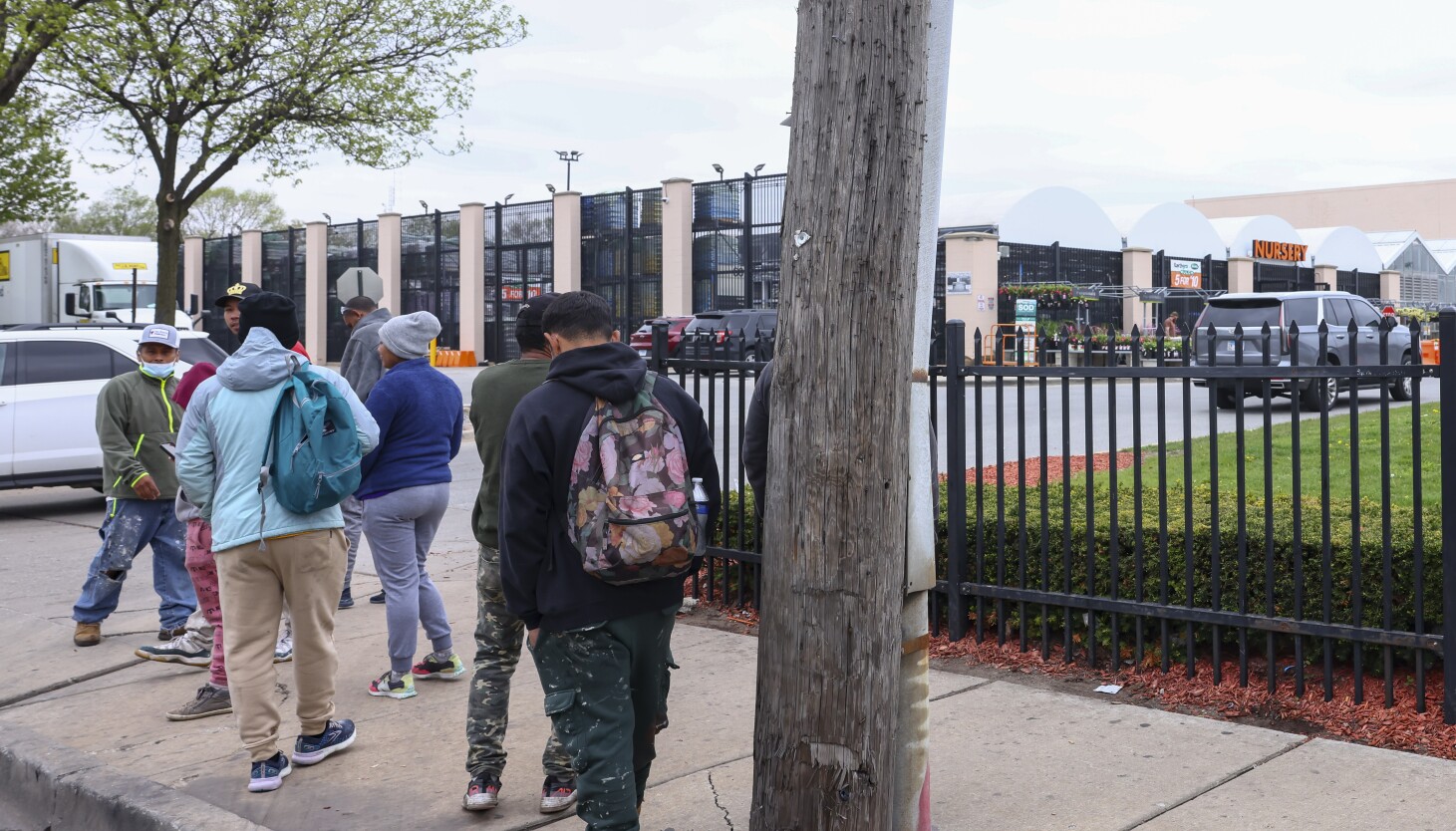
ICE enforcement actions are thinning construction crews across the Chicago area, leaving residential projects stalled and driving up costs for homeowners already squeezed by a years-long labor shortage.
Contractors operating west of Interstate 355 are reporting leaner workforces and higher day rates as undocumented workers pull back from job sites. The pattern is spreading across the trades, hitting roofers, framers, concrete layers and landscapers hardest. Consumers are paying for it in project delays and inflated bids.
“When enforcement activity ramps up, even temporarily, employers tell us they see crews thin out almost overnight,” said Sam Mattingly, a former construction project manager who founded Indianapolis-based JobsinConstruction.com to help companies find workers. “ICE activity doesn’t just reduce workforce numbers. It increases uncertainty, which discourages smaller contractors from taking on new projects. I don’t see the situation getting any better.”
The enforcement pressure is landing on an industry that was already short-handed before President Donald Trump’s immigration crackdown accelerated. Illinois faces a shortage of trade workers this year exceeding 200,000 jobs. Demand is sharpest for laborers, where the gap sits at 58,958 positions, followed by carpenters at 42,113 and masons at 19,907, according to data from Construction Industry Resources. Those aren’t projections. Those are current unfilled slots.
The structural roots of the shortage run deep. An aging workforce is retiring faster than younger workers are entering the trades. The COVID-19 pandemic and the Great Recession each knocked out a generation of tradespeople who didn’t come back. Wages stagnated while other industries competed for the same entry-level labor pool. ICE enforcement didn’t create the shortage, but it’s sharpening a crisis that contractors have been managing for two decades.
“There’s a clear shortage across every level of the trades, but it’s most acute at the journeyman level due to retirements and a thin pipeline behind them,” said Alicia Martin, president of the Illinois chapter of Associated Builders and Contractors. “The biggest gap is in experienced, highly skilled workers. And that’s not something you can solve quickly.”
Foreign-born workers have quietly become load-bearing for Chicago’s construction economy. In the Chicago-Naperville-Elgin market, 83,522 construction workers identified as foreign-born, accounting for 32.5% of the area’s workforce, according to the latest U.S. Census Bureau figures. For residential and smaller projects, day laborers drawn from immigrant communities have been filling gaps that union halls and staffing agencies can’t close. When those workers disappear from job sites, even for a few days during a period of heightened enforcement, project timelines collapse.
The gray economy makes the full damage hard to measure. Many day laborers work off the books, and contractors aren’t rushing to document workforce irregularities. Industry insiders are reluctant to speak publicly about how their crews are structured, which means the numbers that do surface likely undercount the real disruption.
Residential construction west of I-355, in suburbs including those in DuPage and Kane counties, has seen some of the most direct effects, according to Chicago Sun-Times reporting on the sector. Contractors there describe working with skeleton crews and paying overtime premiums that weren’t budgeted into project costs. Those premiums get passed to buyers and homeowners.
The timing is brutal. Chicago-area housing inventory has been tight for years, and new residential construction was supposed to help close the gap. Delays and cost increases push more projects out of reach for buyers in the middle of the market. Smaller renovation contractors who can’t absorb higher labor costs are turning down work or folding bids before they start.
U.S. Immigration and Customs Enforcement and Customs and Border Protection have both ramped up operations in the Chicago area under the Trump administration’s enforcement priorities. The [U.S. Department of Homeland Security](https://www.dhs.gov/) has not released detailed breakdowns of local enforcement actions by industry, making it difficult to directly tie specific crew losses to specific operations. But construction insiders say the chilling effect is real whether workers are directly targeted or not. Workers who fear enforcement stay home.
Martin and others in the industry say long-term solutions require expanding trade apprenticeship pipelines and recruiting younger workers, including graduates who might not have considered construction as a career. That work was underway before the current enforcement climate made it more urgent. Building those pipelines takes years.
For homeowners waiting on a framing crew in Naperville or a roofing job in Aurora, those long-term answers don’t help much this spring.