
Pritzker Pushes Senate to Act Fast on Bears Stadium Bill
Gov. JB Pritzker is urging the Illinois Senate to quickly amend the Bears stadium bill before Indiana becomes a serious competing option.
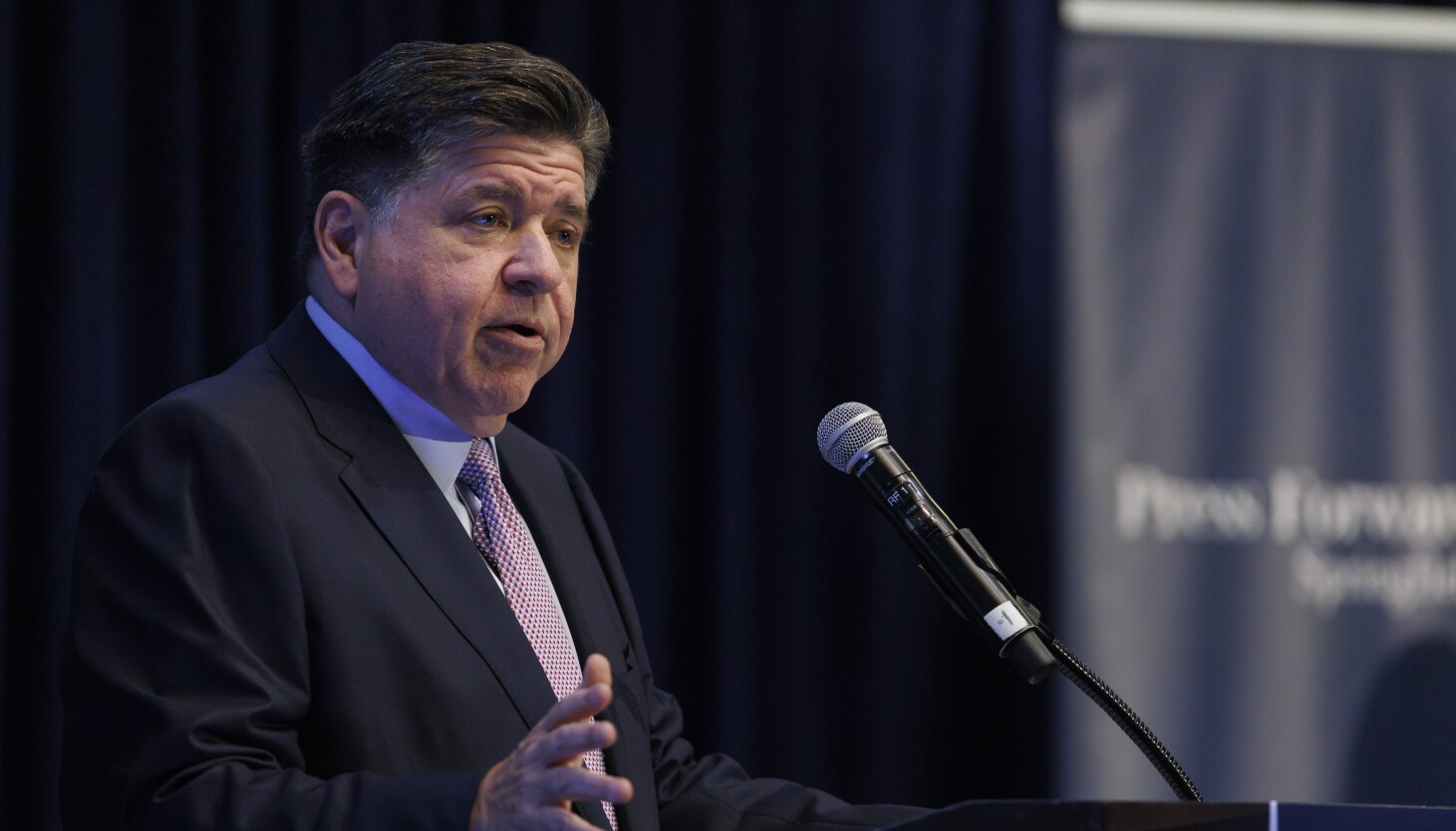
Gov. JB Pritzker wants the Bears stadium bill fixed and fast, warning Friday that the Illinois Senate has little time to act before the franchise’s options in Indiana become a real threat.
Pritzker delivered that message after an unrelated news conference at Northwestern University, putting public pressure on Springfield just days before the Chicago Bears are set to update the NFL’s stadium committee on the status of their yearslong stadium search.
“There is a need for speed here,” Pritzker said. “We need to move somewhat expeditiously. I realize the Senate has some work to do, and there will be amendments, no doubt about it.”
The bill, sponsored by state Rep. Kam Buckner, a Chicago Democrat, cleared the Illinois House this week with bipartisan support. But it advanced without coordination with Pritzker’s office, Senate leaders, or in some key areas, the Bears themselves. That gap has left the legislation in uncertain shape as it moves to the Senate, which faces a May 31 legislative deadline.
The so-called megaprojects bill would let developers of large-scale projects negotiate discounted payments in lieu of full property tax bills with local taxing bodies. For the Bears, who have long eyed a stadium site in Arlington Heights, the savings could run into the hundreds of millions of dollars over four decades. The franchise is currently valued at nearly $9 billion.
That price tag has not gone unnoticed in Springfield.
Buckner and other Chicago Democrats have resisted both the idea of helping the Bears relocate out of the city and the notion of handing significant tax breaks to one of the wealthiest franchises in professional sports while homeowners across Illinois struggle with their own property tax burdens.
Indiana didn’t hesitate. State lawmakers there passed a package of taxes aimed at financing a stadium in Hammond, putting a credible alternative on the table and shifting the pressure squarely back to Illinois. That move changed the calculus at the Capitol, and Pritzker acknowledged the Bears’ upcoming NFL committee presentation as a pressure point.
He said the meeting wouldn’t “completely flip the script” in favor of Indiana, but he didn’t dismiss the risk. “If there is not true progress that gets made, if it isn’t obvious to people that the Senate is moving in the right direction, I think that will make it challenging,” Pritzker said. “But we’re all working together.”
The governor said he still believes the Bears prefer to stay in Illinois. “I think the Bears want to be in Illinois,” he said, according to Chicago Sun-Times coverage of Friday’s remarks. “I think that’s really what their choice would be, if we can put a bill forward that makes sense. We just have to make sure that it works for the Bears as it does for the citizens, the residents of the state of Illinois.”
Getting there won’t be simple. The House bill’s path to passage without full buy-in from Pritzker’s office or Senate leadership signals that the version the upper chamber receives will need substantial revision before it can move forward. Senators will have to satisfy competing interests: Bears ownership pressing for enough financial certainty to commit to Arlington Heights, Chicago lawmakers reluctant to accelerate the team’s departure from the lakefront, and a broader statehouse skepticism about using public financial tools to benefit a private sports franchise.
The Illinois General Assembly’s legislative calendar gives the Senate roughly five weeks before the session deadline. That’s not a lot of runway for a bill of this complexity, one that touches property tax law, infrastructure financing, and local taxing body agreements across multiple jurisdictions in the northwest suburbs.
Pritzker has positioned himself as a central negotiator, pressing for speed while acknowledging that the Senate will want amendments. Whether that pressure translates into a workable bill before May 31 depends on whether Springfield’s competing factions can find enough common ground to keep the Bears from making Hammond a genuine home.
The NFL stadium committee meeting next week will offer the first clear signal of how much time Illinois actually has left.