
Pritzker Signs Executive Order to Fast-Track Nuclear Power Development in Illinois
Gov. JB Pritzker signed an executive order aimed at expediting nuclear power plant development in Illinois, setting the stage for construction of facilities that could power up to two million homes by 2033.
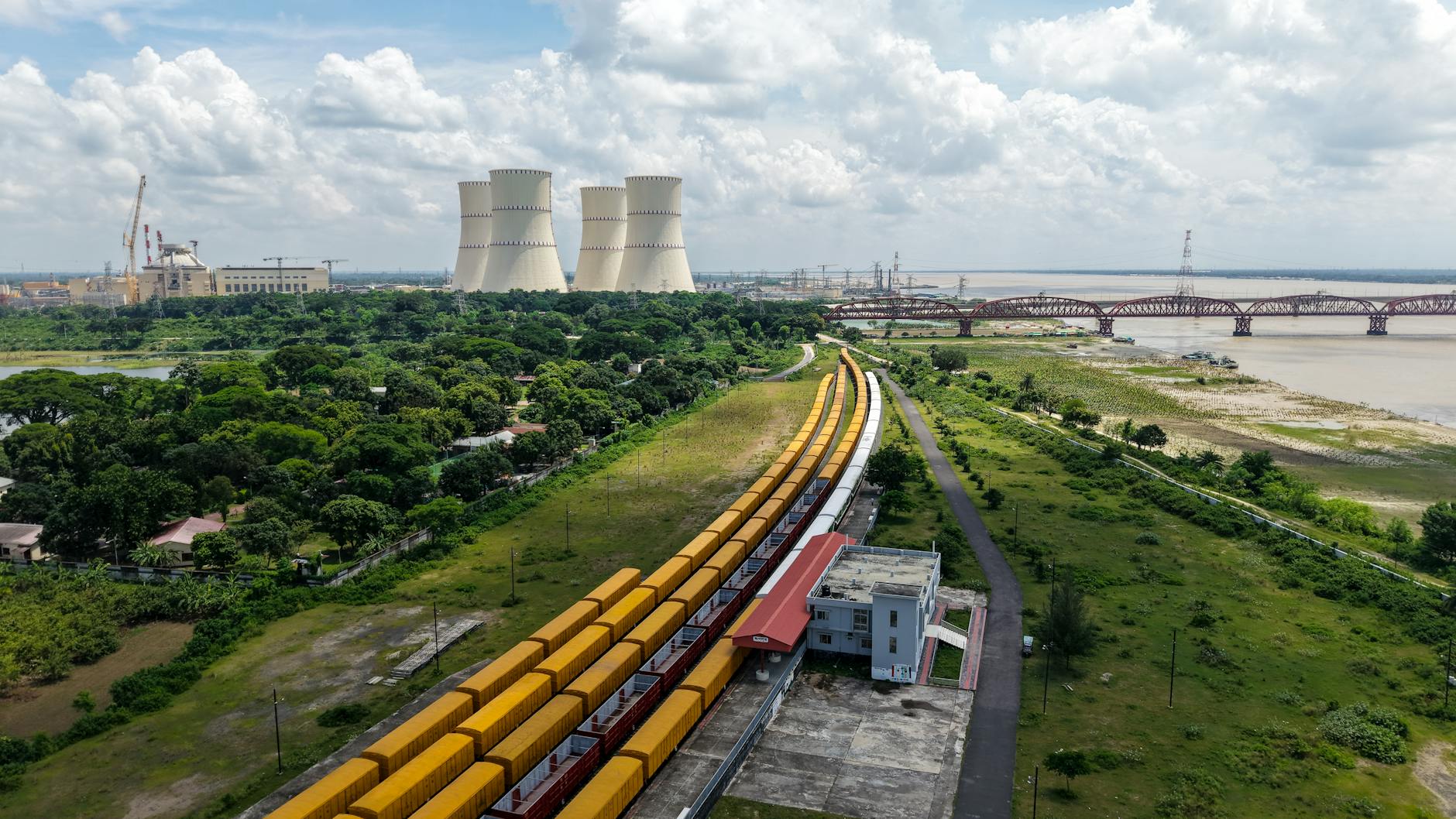
Gov. JB Pritzker signed an executive order aimed at expediting nuclear power plant development in Illinois, setting the stage for construction of facilities that could power up to two million homes by 2033.
The governor announced the initiative during his recent State of the State and budget address, describing it as establishing “a new nuclear energy framework for Illinois — one that prioritizes affordability, safety and reliability,” according to the executive order.
The plan targets development of nuclear facilities capable of generating at least two gigawatts of additional energy capacity, with construction expected to begin by 2033. The expanded nuclear capacity would help Illinois transition away from fossil fuel plants by 2045, as mandated under the state’s Climate and Equitable Jobs Act passed in 2021.
However, the timeline may not prevent energy shortfalls that three state agencies predicted will hit northern Illinois by 2029 and downstate by 2031, according to late 2025 projections.
The executive order becomes possible following Pritzker’s signature on the Clean and Reliable Grid Affordability Act, which takes effect in June and lifts a state moratorium on new large-scale nuclear construction that has been in place since the 1980s. The state previously lifted restrictions on small modular reactors generating less than 300 megawatts in 2023, though Pritzker vetoed broader nuclear expansion legislation that same year.
Despite the construction restrictions, Illinois remains the nation’s top nuclear energy producer, generating one-eighth of America’s nuclear power across six facilities, according to the U.S. Energy Information Administration. Nuclear power accounted for over half of Illinois’ net electric power generation in 2024.
The executive order establishes specific deadlines for site identification and regulatory review. The Illinois Power Agency and Illinois Commerce Commission have 60 days from the signing date to seek expressions of interest from potential developers and existing nuclear operators looking to expand operations.
Constellation Energy, which owns all of Illinois’ current nuclear plants after spinning off from Exelon Corporation, could potentially participate in the expansion. Commonwealth Edison, a subsidiary of Exelon, serves as the state’s major utility provider. The 2021 Climate and Equitable Jobs Act created hundreds of millions of dollars in subsidies for the state’s nuclear industry to prevent plant closures.
Interested developers must outline potential site locations, projected costs, grid connection timelines, economic development impacts, and workforce training requirements. The Illinois Power Agency will also assess its own staffing and consulting needs to support the initiative over the next one to three years.
The Illinois Commerce Commission will separately solicit interest from local communities willing to host new nuclear facilities. These communities must provide information about their capacity to support such developments.
Pritzker emphasized that expediting nuclear site identification will help Illinois maintain energy affordability while meeting growing demand. The governor projects the initiative will create thousands of jobs and preserve Illinois’ status as a net energy exporter.
The energy capacity challenges extend beyond Illinois borders, with both federally regulated regional transmission organizations serving the state facing shortages due to plant closures and increasing demand.
The executive order represents a significant shift in Illinois energy policy, marking the first opportunity for large-scale nuclear development in four decades. The state’s approach reflects broader national discussions about nuclear power’s role in achieving carbon-free electricity generation while maintaining grid reliability.
Construction timelines will depend on regulatory approvals, site preparation, and developer readiness. The 2033 target for construction start dates aims to address projected energy shortfalls while supporting Illinois’ commitment to eliminating fossil fuel power generation by 2045.