
Chicago's Return to Normal Winter Weather Boosts Some Businesses While Others Adapt to Climate Trends
Chicago is experiencing a more traditional winter this year after several seasons of unusually mild weather, providing a boost to certain sectors of the local economy while highlighting how businesses are adapting to long-term climate changes.
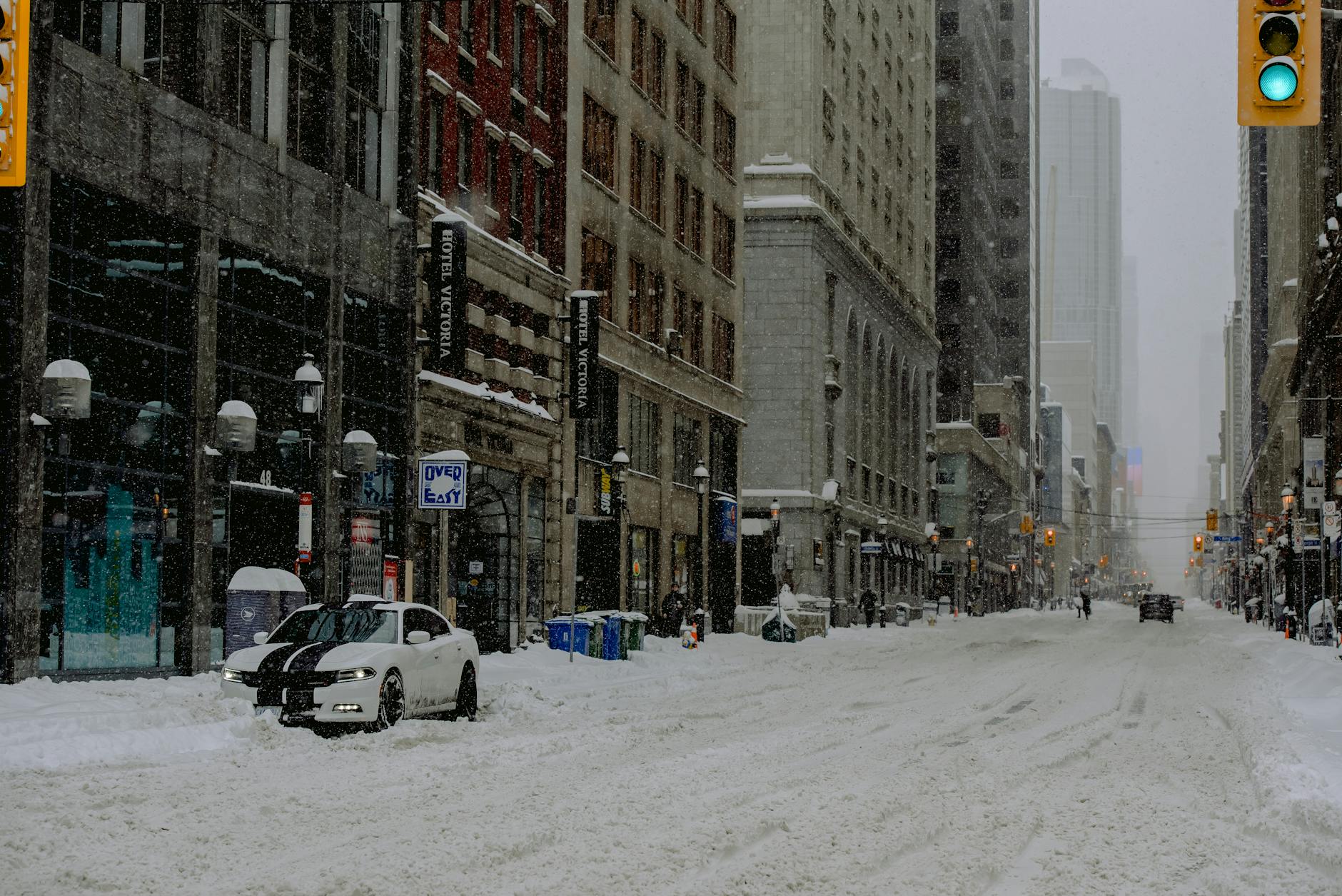
Chicago is experiencing a more traditional winter this year after several seasons of unusually mild weather, providing a boost to certain sectors of the local economy while highlighting how businesses are adapting to long-term climate changes.
After recent winters with below-normal snowfall and higher-than-normal temperatures, this year has brought Chicagoans extended cold snaps and near-normal snow amounts, according to weather patterns.
Auto repair shops and mechanics benefit significantly from harsh winter conditions. “In the extreme weathers is when you just make more money than normal,” said Mike Wendling, an IAM Local 701 organizer who represents auto workers in the Chicago region. Cold temperatures, snow and ice lead to more dead batteries, damaged tires and cosmetic damage from car accidents, according to Wendling.
Natural gas companies, HVAC repair services and plumbers also see increased business during bitter winter months.
However, Chicago winters are becoming milder over time. The city has experienced an average of 15 fewer days below freezing in the last decade compared to the period between 1959 and 1980, according to a 2025 analysis by Crain’s of National Oceanic and Atmospheric Administration data.
Snow removal services face the most direct impact from winter weather variations. “I’ve learned a hard lesson in life with the snow business,” said John Geroulis, owner of Snow America Inc., which serves around 200 businesses and homeowners associations in Chicago. “When it snows, you make money. When it doesn’t, you don’t.”
Geroulis noticed concerning trends after starting his business in the 1970s. “I was like, ‘Wow, the winters aren’t like when I first started in the ’70s,’” he said.
To combat unpredictable winters, Geroulis implemented two strategies. He now offers both per-snowfall contracts and flat monthly fees that customers sign before winter begins. He also diversified by owning a construction company that employs the same workers year-round.
“I don’t know of any competitor that’s focused just on snow, personally,” Geroulis said.
The city of Chicago operates its own fleet of snow plows and salt spreaders through the Department of Streets and Sanitation, only contracting private companies during severe weather events. “We did it six years ago, when we got literally a season’s worth of snow in three weeks,” said Chicago Streets and Sanitation Commissioner Cole Stallard. “It’s safety. The streets have to be safe and passable.”
Economic research from the Federal Reserve Bank of San Francisco indicates that mild winters do affect local economies in the short term, but these effects prove temporary. Consumers may increase shopping and dining during unseasonably warm winter days, but research suggests these short-term spending bursts do not create lasting economic impacts.
The longer-term economic implications remain complex. Climate change is predicted to cause “substantial reallocations of people and jobs across the country,” according to the Federal Reserve research.
While some businesses struggle with milder winters, others adapt through diversification and flexible contract structures. The current winter’s return to more typical Chicago weather patterns provides a temporary reprieve for weather-dependent industries while businesses continue preparing for an uncertain climate future.
The economic effects of winter weather create both winners and losers across different sectors, but according to research, these impacts tend to balance out over time in the short term, while long-term changes continue to reshape how Chicago businesses operate.