
Villegas Named Chicago Zoning Chair, Ending Months-Long Impasse
Ald. Gilbert Villegas will chair Chicago's zoning committee after a months-long deadlock left over 100 proposed zoning changes stalled since October.
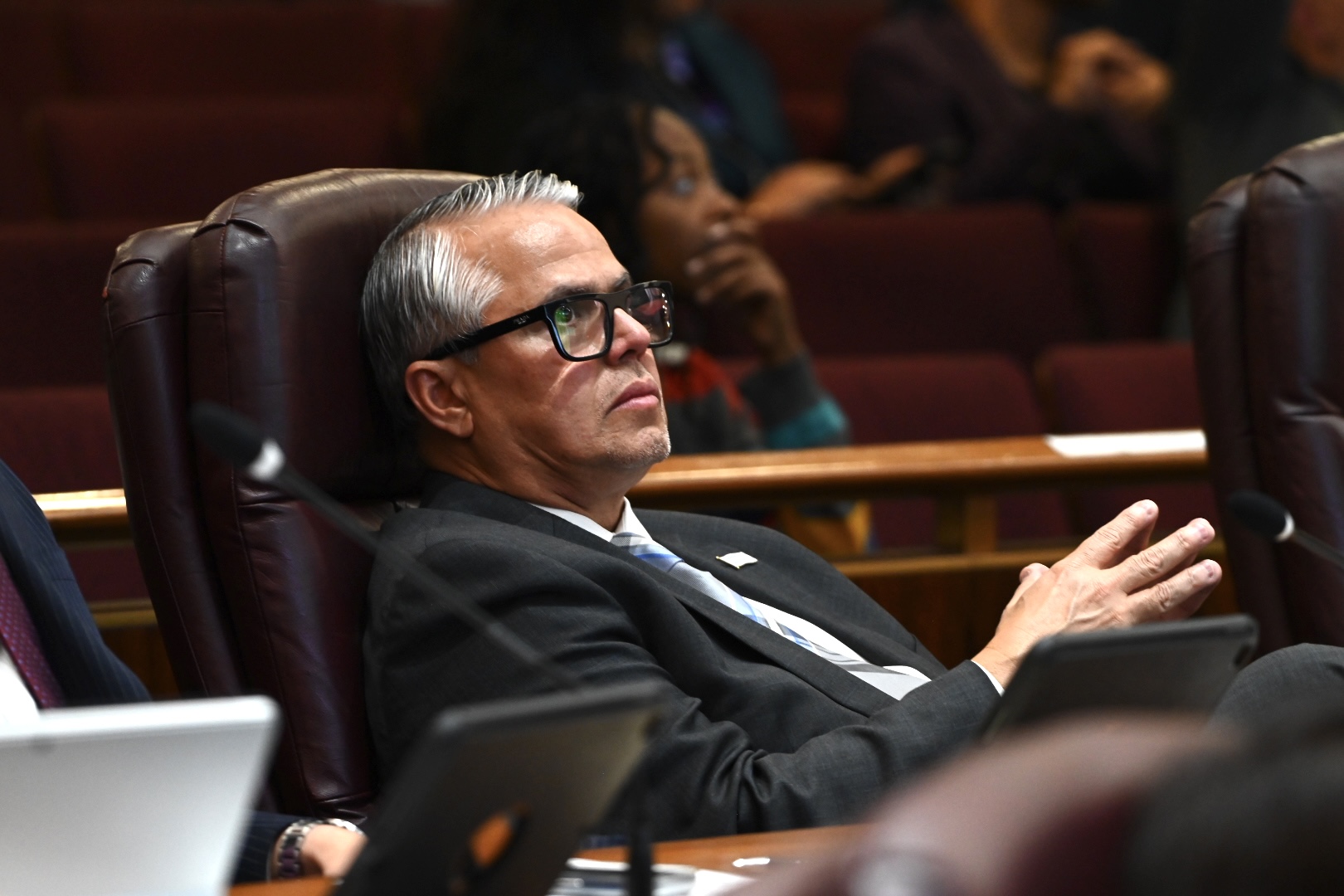
Ald. Gilbert Villegas picked up the gavel Wednesday for Chicago’s zoning committee, ending a deadlock that had frozen more than 100 development proposals since last October.
The Chicago City Council vote came mid-session, a last-minute substitution that reshuffled committee leadership at City Hall and broke weeks of competing nominations and back-channel maneuvering. Villegas will chair the Committee on Zoning, Landmarks and Building Standards, one of the most consequential panels in the council.
He’s taking over from Ald. Bennett Lawson (44th), who had been running the zoning committee on an informal basis after Ald. Walter Burnett (27th) retired last summer. Lawson held meetings through the close of 2025, then stopped in January. His explanation was blunt: without a formal appointment confirmed by the full council, he didn’t have the resources or authority to keep things moving.
“You’re not hiring staff. You’re not taking possession of the physical office space. There’s a seat on the Plan Commission, you’re not attending that,” Lawson told Crain’s earlier this year. “You’re not able to have the same seat when it comes to policy discussions as if you were the approved chair by the council.”
That limbo had real consequences. More than 100 zoning changes sat untouched, according to the city clerk’s website. Homeowners waiting on basement conversions in Portage Park, developers behind massive projects like The 78 along the South Branch, small business owners seeking sign permits — all of them stuck. The Plan Commission couldn’t seat a chair. Landmark designations didn’t move. The whole land-use machinery at City Hall was grinding.
The political stall wasn’t hard to read. Members of the council’s Black and Latino caucuses pushed for representation in the chair. Mayor Brandon Johnson praised Lawson’s handling of the interim period but wouldn’t give him an outright endorsement, which kept the door open for challengers and fed the impasse for months.
Lawson did manage one meeting in February 2026, where several projects got approved, including the Foundry Park development on a section of the Lincoln Yards site. But that was the exception. The committee’s real work, the votes on the 04 15 78-plus proposals that had piled up since October 2025, didn’t happen.
Villegas, whose 36th Ward covers Belmont Cragin and Montclare on the Northwest Side, stepped into that opening. He won’t just be running the zoning committee. He’s also giving something up — the chairmanship of the council’s Committee on Economic, Capital and Technology Development, which he’ll hand off to make room for the new role.
Getting the zoning committee back to full speed won’t be easy or quick.
“We have a lot of work to do,” Villegas told reporters after the vote.
That’s an understatement. The 100-plus backlogged proposals don’t clear themselves. Staff needs to be hired and organized. The physical office space, which Lawson had declined to occupy given his uncertain status, has to be set up. Seats on the Plan Commission need to be filled. And Villegas has to move fast enough to signal to developers that the city’s appetite for construction hasn’t disappeared.
He seemed to understand the urgency.
“There’s a lot of people that want to build in this city, and I think we have to put the signal out there that Chicago is open for business.”
The zoning committee’s reach is wide. It handles everything from routine residential variance requests to high-stakes projects like The 78, the 78-acre mixed-use development along the South Branch of the Chicago River. Landmark designations run through it. Large commercial sign approvals run through it. The committee is, in practical terms, where development in Chicago lives or dies.
Lawson stays on as vice chair, keeping some continuity from the interim period. That’s not nothing. He ran the committee’s day-to-day work for months without formal backing, held meetings when he could, and got some approvals through. His institutional knowledge doesn’t walk out the door.
But Wednesday marked a clean handoff. Villegas has the gavel now. The backlog is his to clear.