
Chicago Advocates Push to Protect Restaurant Workers
Chicago advocacy groups are intensifying efforts to protect restaurant servers from harassment and retaliation amid renewed pressure on city officials.
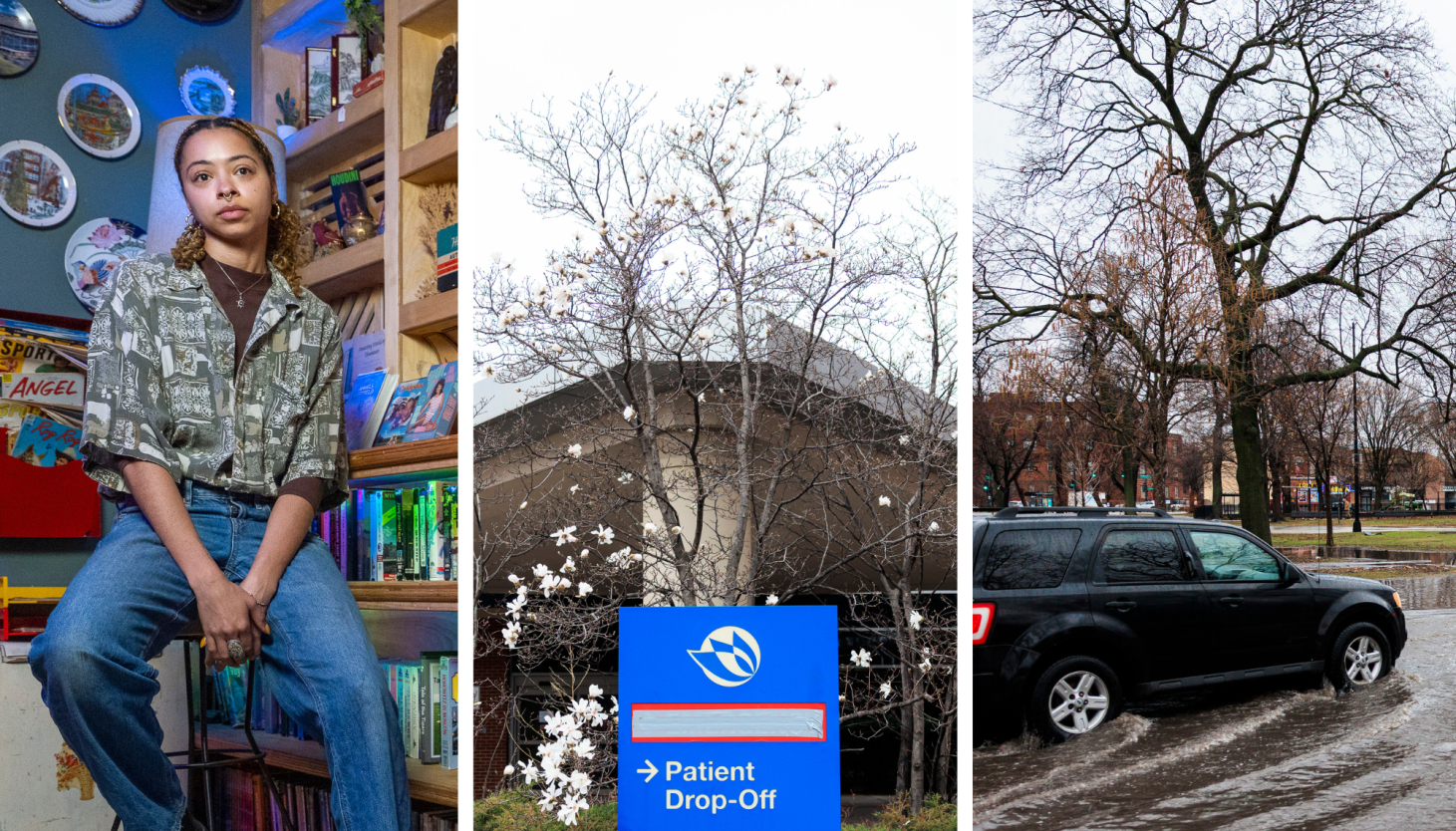
Advocacy groups across Chicago stepped up their push in 2026 to shield restaurant workers from harassment and retaliation, mobilizing after accusations of staff abuse surfaced against a chef and former owner at a well-known local restaurant.
The allegations hit a nerve. Workers in Chicago’s food service industry say they’ve operated for years inside a culture where speaking out costs you your livelihood. That’s not a new complaint, but the recent accusations gave it fresh urgency, forcing the issue onto the desks of city officials who’ve heard it before and done little.
Illinois law is clear. Workplace harassment and retaliation are prohibited. But workers and advocates say the law on paper and the law in practice aren’t the same thing, particularly in restaurants, where management controls schedules, tips, references, and the difference between 40 hours a week and 12. Many workers are immigrants. Many are tipped employees. They can’t afford to gamble.
Chicago’s restaurant industry spans hundreds of thousands of jobs, from the high-design dining rooms of the West Loop to the neighborhood taquerias of Pilsen to the counter seats at Rogers Park diners that don’t close until 4 a.m. Many of those workers don’t have union cards. Many don’t know what protections they’re entitled to under state or city law. Some have never heard of the agencies set up to help them.
That’s the problem. Groups focused on restaurant labor protections have spent weeks distributing information about reporting channels, legal resources, and what retaliation actually looks like when a manager starts cutting your hours the week after you complained. Chicago Sun-Times coverage in 04/2026 put the organizing push in front of a wider audience, connecting the accusations against the chef to the broader pattern that restaurant worker advocates say they’ve been documenting for years.
“Workers need to know they have protections, and they need to know where to go when those protections are violated,” one advocate said.
No criminal charges have been filed against the chef and ex-owner based on public records available as of 2026. But the damage inside the Chicago restaurant community has been real. It’s a tight world. Word moves fast, and a reputation that took 15 years to build can collapse in a week if the accusations stick and the industry turns.
Retaliation is where workers say the system fails them most. Reporting harassment doesn’t end the harassment, they say. It starts a different kind of problem: the overnight shift that didn’t exist until you complained, the schedule that drops you from five nights to two, the reference that never comes. In a city where restaurant jobs aren’t hard to find but good ones are, that calculus keeps a lot of workers quiet.
The Illinois Human Rights Act gives workers a formal path to file discrimination and harassment complaints with the Illinois Department of Human Rights. It’s a real avenue. But the process can drag on for months, and workers who can’t afford a lawyer often find they’re navigating a bureaucratic process that wasn’t designed with them in mind. Some give up. Some never start.
Chicago’s Commission on Human Relations offers a parallel local option for workers filing complaints about discrimination and harassment under city ordinance. Advocates say they’re pushing workers toward both channels, not because the system is fast or easy, but because it’s what exists and it’s better than nothing.
High turnover in the restaurant industry makes organizing difficult. Workers who won’t be at a job in six months are harder to reach than workers who’ve been at the same plant for a decade. Groups focused on restaurant labor protections say they’ve had to get creative about where they show up, going to workers rather than waiting for workers to come to them.
The accusations that triggered the current organizing push haven’t been resolved. They likely won’t be resolved quickly. What advocates say they’re focused on now is making sure the next worker who faces harassment in a Chicago kitchen knows there’s a number to call and a form to file before they decide it’s easier to just walk away.