Chicago School Board Election 2026: What You Need to Know
Chicago voters will elect all 21 school board members for the first time. Here's what's at stake and why this election matters for 320,000 students.
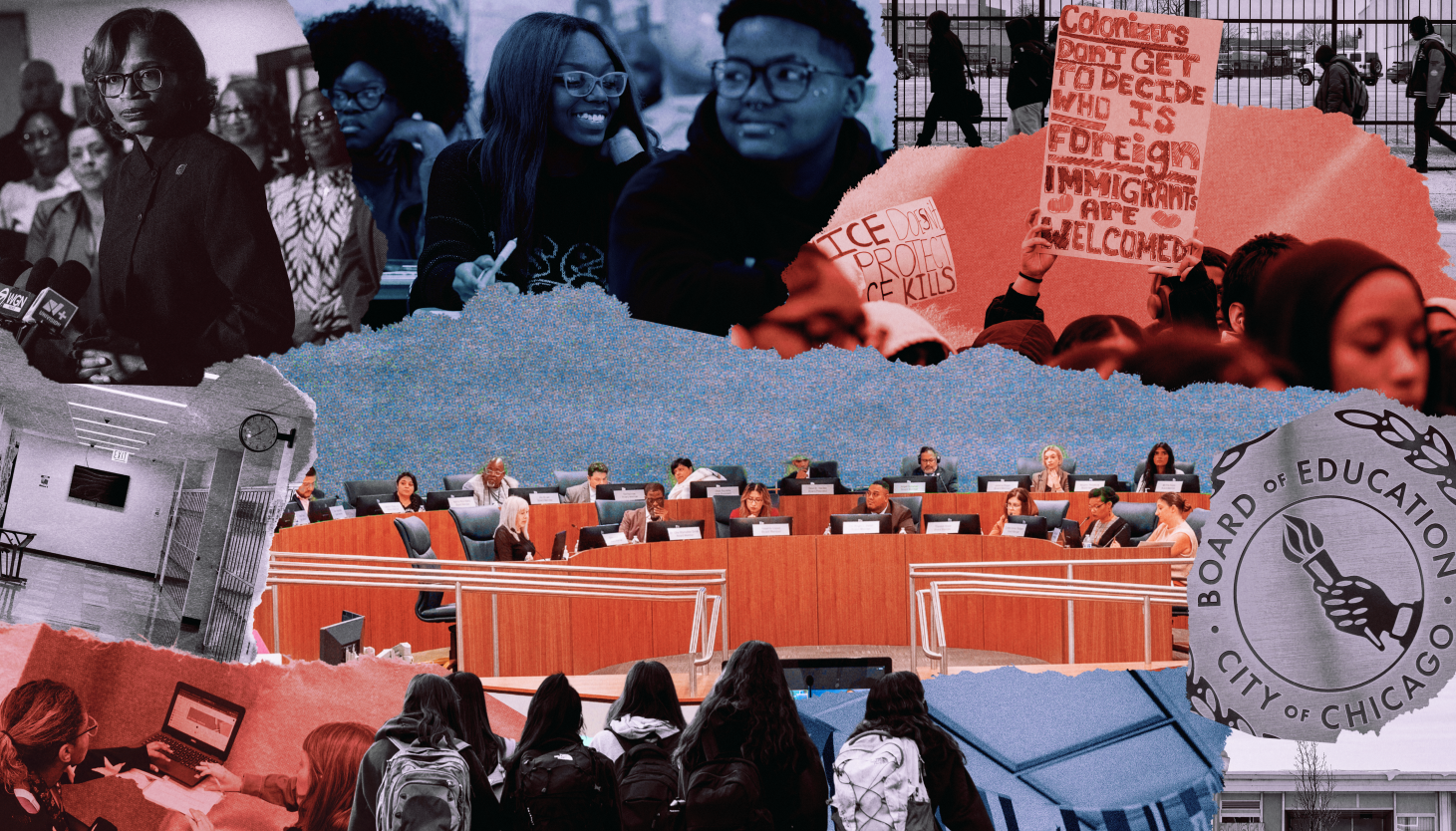
Chicago voters will elect all 21 members of the Chicago Board of Education for the first time in November, completing a decades-long shift away from mayoral control that advocates fought to make happen.
The election marks a clean break from how the city has long run its public schools. Mayor Brandon Johnson appointed most board members as recently as 2024, when only 10 of 21 seats appeared on the ballot during the first-ever school board election in Chicago history. This fall, every seat is in play, including the board president.
Two out of three Chicago residents didn’t know the board would become fully elected, according to a poll by Kids First Chicago, the nonprofit that has tracked public awareness of the transition. That knowledge gap is one of the central challenges facing the November election, as voters across all 21 districts are asked to choose representatives for a governing body many can’t describe in detail.
What the board does, concretely, matters here. The Chicago Board of Education sets district policy, approves the annual budget, hires and fires the chief executive officer of Chicago Public Schools, and votes on school openings and closures. It oversees a district that serves roughly 320,000 students across hundreds of schools on the North Side, South Side, and West Side. The board also sets the property tax levy that funds CPS operations, a decision with direct consequences for homeowners across the city.
The 2024 elections were a starting point, not a finish line. Voters chose 10 representatives that year, but Johnson still appointed the remaining 11 members along with the board president, preserving a significant degree of executive influence over the body. That arrangement ends in November, when Chicago voters will, for the first time, hold full democratic authority over the entire 21-member board without any mayoral appointments remaining.
Advocates who spent years pushing the Illinois legislature to authorize an elected board said the goal was always to get community voice into decisions that have historically been made with little public input. But as the Chicago Sun-Times has reported, some of those same advocates now worry that large campaign spending could concentrate power in the hands of well-funded outside groups rather than neighborhood residents.
Big money is expected.
Donors and political action committees have already begun circling the races, according to reporting on the expected financing of this year’s contests. School board seats don’t carry salaries, but they carry enormous policy influence over a district with an annual budget that runs into the billions. That combination has historically drawn outside spending in other major cities with elected boards, and Chicago isn’t likely to be different.
The Illinois State Board of Education certifies the district’s financial compliance requirements, but the local board itself controls the spending decisions that shape schools day to day, from staffing ratios to capital projects to contracts with vendors and charter operators.
There are 21 districts drawn across the city, each electing one board member. Candidates must live within the district they seek to represent. The Chicago Elections website is the primary resource for district maps and candidate filing information as the November ballot takes shape.
For parents at schools from Roseland to Rogers Park, the stakes are tangible. School board members vote on whether schools close or merge, how special education resources get allocated, and what accountability measures apply to principals and administrators. They also confirm the CPS CEO, the executive who manages roughly 36,000 employees across the district.
“Voters don’t always know exactly what they’re voting on when they walk into a school board race,” said one education policy researcher familiar with the transition, who asked not to be named because they’re working with candidates from multiple districts. “That’s what makes the awareness gap so consequential.”
The November election doesn’t have a firm candidate filing deadline published in the source material available as of April 19. What is confirmed: all 21 seats will appear on the general election ballot, every member will serve a four-year term, and no mayoral appointments will follow.
Kids First Chicago’s polling underscored just how much public education remains to be done before voters mark their ballots. Two out of three residents unaware of the change means the majority of Chicago’s electorate doesn’t yet know the scope of what it’s being asked to decide. Community organizations, parent groups, and civic institutions across the city have months to close that gap before November.