
Broadview IL Struggles With Costs of ICE Detention Facility
The Chicago suburb of Broadview faces mounting costs and political pressure after its ICE detention facility became a flashpoint in the national immigration debate.
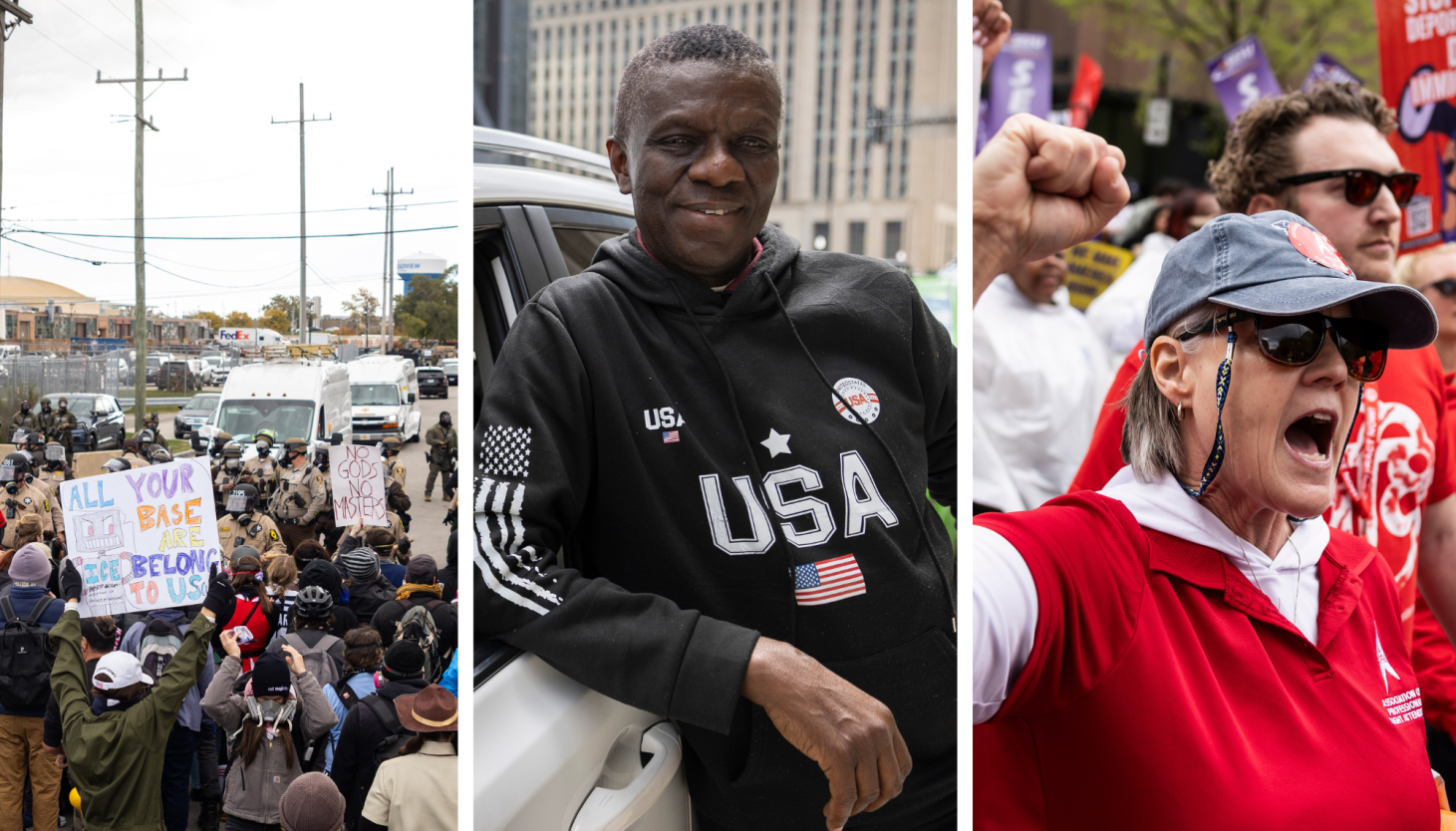
Broadview didn’t ask to become ground zero for the national immigration debate. The suburb of roughly 8,000 residents west of Chicago is now carrying financial and political weight that local officials say threatens basic municipal services, all because a U.S. Immigration and Customs Enforcement detention facility operates within its borders.
The costs are real and they’re adding up. Village officials say the ICE facility has strained local infrastructure, required additional public safety resources, and drawn waves of protesters whose presence demands a police response Broadview’s small department wasn’t sized to handle. The village collects no direct revenue from the federal facility, according to Chicago Sun-Times reporting, leaving residents and local government to absorb costs they didn’t budget for and can’t easily recover.
That’s the core of Broadview’s frustration: the village didn’t choose this fight, but the fight found it anyway.
Broadview sits just off the Eisenhower Expressway corridor, a working-class community that doesn’t have the tax base of larger suburbs or the political muscle of Chicago proper. When federal immigration enforcement accelerated under the Trump administration’s 2025 policy push, Broadview’s facility moved from relative obscurity to a focal point for activists, attorneys, and federal officials alike. Demonstrations outside the facility have become a regular occurrence, drawing crowds from Chicago’s Northwest Side, the western suburbs, and immigrant advocacy groups from across the metro area.
Local officials have been careful about how they characterize the situation publicly. The village board hasn’t passed a formal resolution distancing itself from ICE operations, and municipal leaders face pressure from multiple directions. Residents who want the facility gone push for stronger local opposition. Others worry that any confrontation with federal authorities could make things worse. Neither camp has won the argument.
The broader context matters here. ICE operates 20 detention facilities across Illinois and neighboring states, but Broadview’s location close to Chicago makes it uniquely visible. Immigration attorneys and advocates who work downtown can reach it in under 30 minutes, and that accessibility has made it a staging point for legal intervention when detainees are processed.
Broadview isn’t alone in dealing with the downstream consequences of federal enforcement priorities landing in small municipalities. Across the country, towns and small cities hosting federal facilities frequently find they can’t dictate terms to Washington but can’t escape the local fallout either. The National League of Cities has documented the pattern repeatedly, and Broadview fits it precisely.
For now, village government is managing the strain rather than resolving it. That means stretched public works budgets, police overtime, and a municipal administration that has spent more hours fielding calls about immigration enforcement than about potholes or permits. “We’re a small community,” one village official told the Sun-Times, “and this has had real costs that we haven’t been compensated for.”
The human dimension doesn’t disappear into the bureaucratic picture. Families in Broadview and surrounding Cook County suburbs have relatives caught in the detention system. Some are asylum seekers, some have complicated legal status built up over years, and some had been longtime community members before enforcement actions separated them from neighborhoods where they’d lived for decades.
Chicago Mayor Brandon Johnson has taken a public posture opposing expanded cooperation with ICE, and Cook County has maintained its own policies limiting local law enforcement’s role in federal immigration holds. But those positions don’t change what happens inside the Broadview facility, which operates under federal authority regardless of what city or county government says.
The spring protest season is already underway. Advocacy groups have scheduled additional demonstrations at the facility through May, and organizers say turnout has grown since the administration’s enforcement actions intensified earlier this year. Broadview’s police department will be there. So will the attorneys. So will the families.
The village wanted none of this attention. What it wanted was to be the kind of quiet, stable suburb where people raise families, pay taxes, and don’t make national headlines. The ICE facility ended that. The question local officials are wrestling with now isn’t how to get the spotlight off Broadview. It’s how to protect the community’s finances and services while the spotlight stays exactly where it is.
The next village board meeting is scheduled for later this month.