
Mom of Slain Chicago Cop Calls 8-Year Sentence 'Extremely Severe'
Jaylin Arnold pleaded guilty to gun and drug charges as Officer Krystal Rivera's mother called the 8-year sentence too harsh for his limited role.
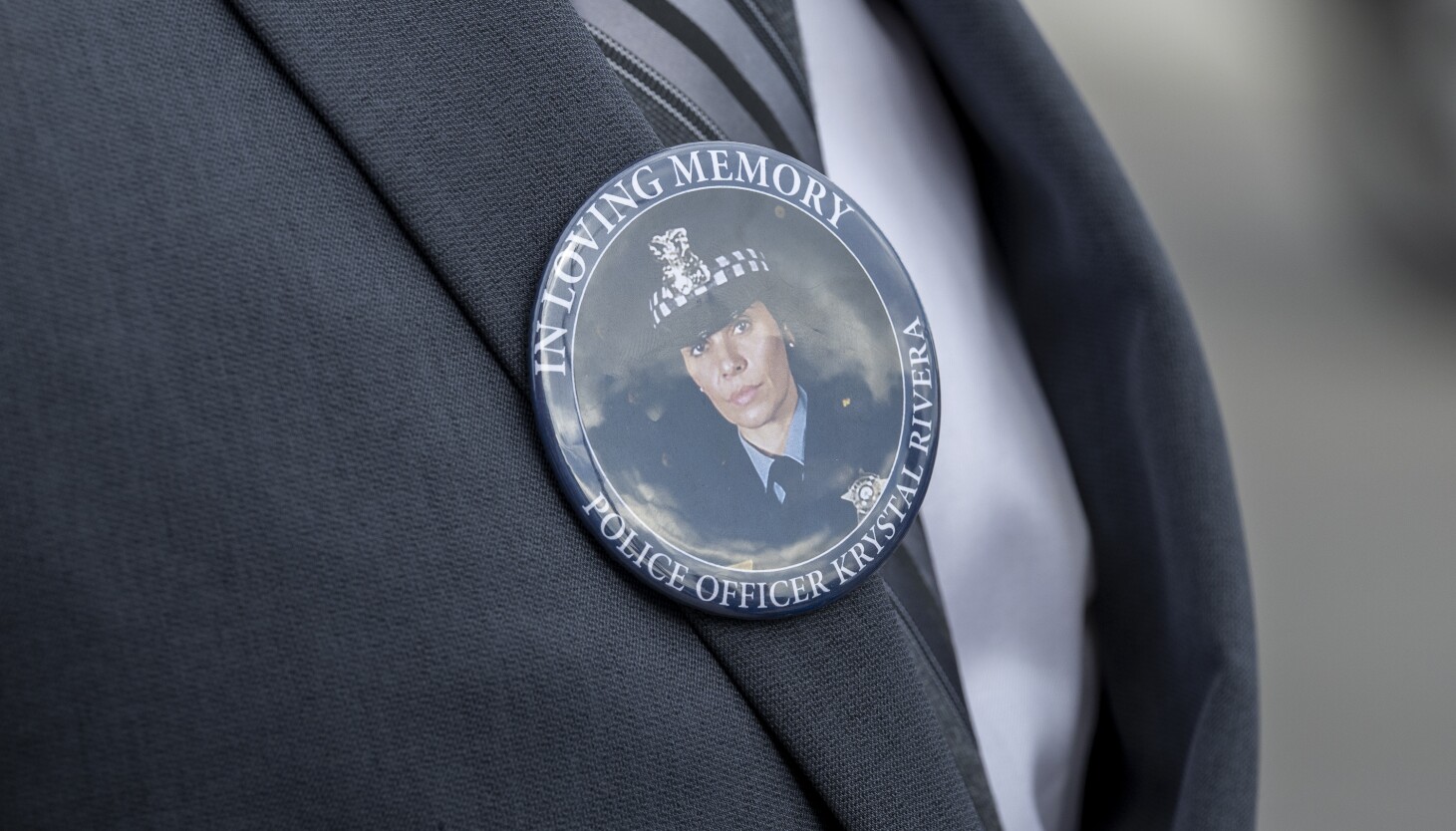
Jaylin Arnold, the man Chicago police were chasing when Officer Krystal Rivera was fatally shot by her own partner, pleaded guilty Thursday to gun and drug charges and accepted an eight-year prison sentence that Rivera’s mother called “extremely severe” for someone she believes bears limited responsibility for her daughter’s death.
The guilty plea came during a packed hearing at a Bridgeview courthouse, where Yolanda Rivera addressed the court and called on prosecutors and the justice system to shift their focus toward former Officer Carlos Baker, the man who actually fired the shot that killed her daughter.
“Krystal deserves justice,” Yolanda Rivera said, adding that Arnold “deserves a sentence that reflects the truth of their role, not the burden of institutional failures beyond his control.”
Arnold’s attorney said his client will likely serve closer to three years under the deal. Still, the eight-year sentence is the formal record, and Yolanda Rivera’s public opposition to it signals how fractured the case’s moral calculus has become. A mother. A dead cop. A plea deal. And the man who pulled the trigger walking free.
The shooting happened June 5, 2025, in Chatham, a South Side neighborhood on the same stretch of the city where Rivera had built her career in blue. Baker and Rivera chased Arnold into an apartment building. After Baker kicked down the door, the officers came face to face with a second man, Adrian Rucker, pointing a rifle at them, according to police records and court documents.
What happened next is where the case turns. Body camera footage released last week shows Baker stumbling back after seeing the rifle, then firing a single shot. That shot struck Rivera. She didn’t survive.
The Chicago Sun-Times has tracked the case since the shooting, and the video’s release last week intensified scrutiny of Baker’s actions. Yolanda Rivera has filed a wrongful death lawsuit alleging that Baker had been struggling to accept her daughter’s decision to end their romantic relationship, raising questions about whether the fatal shot was accidental or something darker. The lawsuit does not establish criminal liability, but it frames the question that still hangs over every court date in this case.
Arnold, 28, was the man Baker and Rivera were pursuing when everything collapsed in that Chatham doorway. He faces prison time. Baker, as of Thursday, does not. The Civilian Office of Police Accountability has been reviewing the body camera footage, but no charges have been filed against Baker, and the Cook County State’s Attorney’s Office has not announced any grand jury action.
The Chicago Police Department’s handling of officer-involved incidents has drawn sustained public criticism over the years, and Yolanda Rivera’s courtroom statement Thursday fit squarely inside that long argument. She didn’t dispute that Arnold had a gun and drugs. She disputed who bore the greater moral weight for what happened to her daughter.
The distinction matters legally and practically. Arnold pleaded guilty to what he did, which was possessing weapons and narcotics and fleeing officers. He did not shoot anyone. The man who shot Krystal Rivera told investigators, according to police records, that he panicked when he saw the rifle. That account is now contested by the wrongful death lawsuit, and the body camera video has given lawyers and investigators new material to work with.
Yolanda Rivera’s courtroom appearance Thursday drew attention not only because of what she said but because of what it represented: a family trying to hold two separate accountability tracks open at once. One track is the criminal case against Arnold, which closed Thursday with a plea. The other track is the question of Baker’s culpability, which Yolanda Rivera is pursuing through civil court while waiting to see whether prosecutors take criminal action.
Arnold is scheduled to begin serving his sentence immediately under the terms of the plea agreement. His attorney’s projection of roughly three years served, assuming good conduct credit and other sentencing calculations under Illinois law, would put his release sometime around 2028. The Cook County State’s Attorney’s Office has not publicly commented on whether any further charges in the case are under review.