Illinois Primary Election Day: Key Races to Watch
Illinois voters head to the polls in a primary election with competitive races for U.S. Senate, Cook County Board President, and Cook County Assessor.
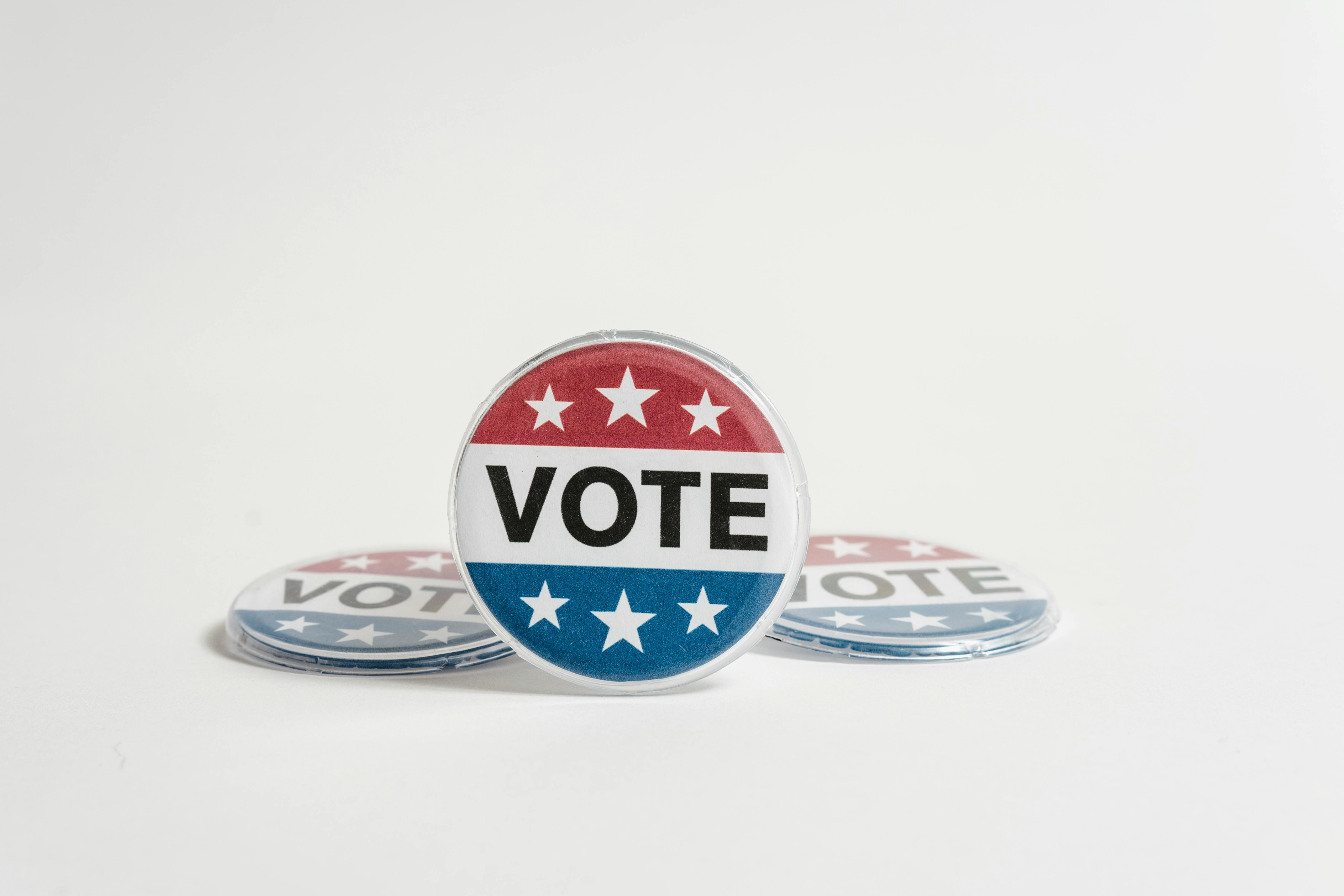
Illinois voters headed to the polls Tuesday in a primary election that carries real consequences for the state’s political future, with competitive races up and down the ballot drawing attention from Springfield to Washington.
Democratic and Republican voters across the state are filling in ballots for a range of offices, including U.S. Senate, several U.S. House seats, Cook County Board President and Cook County Assessor. For Cook County alone, the outcomes will shape how the region’s government operates for years to come.
The U.S. Senate race carries the most weight at the top of the ticket. Illinois has been reliably Democratic in statewide general elections, but primaries have a way of surfacing genuine tensions within the party about direction, priorities and who gets a shot at power. Republicans will also make their choices Tuesday, watching closely to see which candidate emerges best positioned for November.
The Cook County Board President and Cook County Assessor contests are the races Chicagoans should watch most carefully. The assessor’s office directly affects property tax bills for millions of homeowners and businesses. The board president oversees a county government with a budget in the billions and responsibilities stretching from the court system to public health. These are not abstract offices. They touch daily life in ways most people notice only when something goes wrong.
While voters are at the polls, two other stories are shaping the political environment in Illinois right now.
A federal judge has again blocked the Trump administration from cutting healthcare funding in Illinois. The ruling gives the state temporary relief, but the underlying fight over federal dollars for Illinois health programs is far from resolved. Governor JB Pritzker has been vocal in pushing back against federal funding threats, and this latest court decision extends a pattern of legal wins for the state even as the broader battle continues.
Pritzker also made news this week by publicly going after Gregory Bovino, a move that signals the governor is not in a quiet phase of his political life. Pritzker has made little secret of his national ambitions, and his willingness to engage publicly in state political fights keeps his name in the conversation.
Meanwhile, a new report on civil asset forfeiture in Illinois puts uncomfortable numbers on the table. The Chicago Police Department alone took in $9.4 million through the practice, which allows law enforcement agencies to seize property even without an arrest or conviction. Statewide, Illinois agencies collected millions more through the same mechanism. Civil asset forfeiture has drawn scrutiny from civil liberties advocates for years, and the scale of the numbers here gives that criticism concrete footing. The practice remains legal in Illinois, and the money flows largely without the due process protections most people associate with the justice system.
On a lighter note for Chicago sports fans, the Bulls defeated the Memphis Grizzlies 132-107 Monday night. It was the kind of convincing win the city needed from a team that has given fans a complicated season to follow.
Election Day itself falls on a cold March Tuesday, with temperatures not expected to climb much above freezing and wind chills dropping well below that. Weather like this can suppress turnout in ways that benefit whichever side has built a more disciplined ground operation. Campaigns know this, and the final push to get voters to their polling places becomes even more critical when the forecast is working against them.
Polls close at 7 p.m. Results will start coming in shortly after, though some close races may not resolve until later in the evening or beyond, depending on how votes are distributed across precincts.
For a city with Chicago’s history of machine politics and ward-level organization, primaries are often where the real decisions get made. General elections in Cook County frequently ratify what the primary produced. That dynamic gives today’s voting an outsized importance that the raw number of offices on the ballot might not immediately suggest.
Pay attention to the county races. Pay attention to turnout by ward. And pay attention to which candidates, in both parties, emerge from today with momentum heading into the fall.