
Mayor Johnson Fights to Protect Chicago Tipped Wage Phaseout
Mayor Brandon Johnson calls freezing Chicago's subminimum wage phaseout 'irresponsible' as a City Council vote looms on Wednesday.
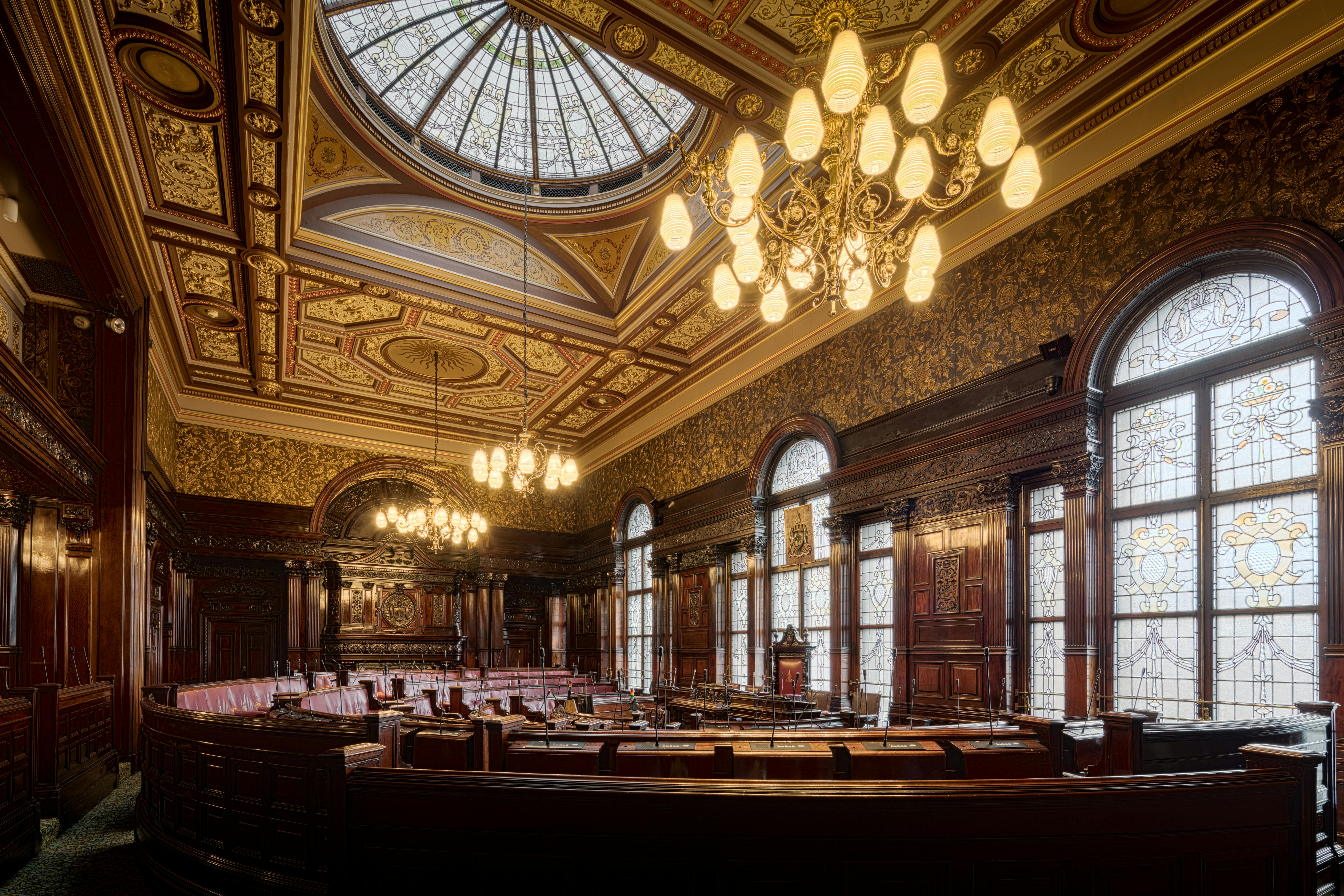
Mayor Brandon Johnson drew a clear line Monday, calling any move to freeze the phaseout of Chicago’s subminimum wage for tipped workers “not only tone-deaf, but irresponsible,” and signaling he intends to fight to protect one of the signature achievements of his progressive agenda.
The fight is heading to the City Council floor Wednesday, where Far Northwest Side Ald. Samantha Nugent (39th) plans to use a parliamentary maneuver to resurrect a stalled proposal that would cap the subminimum wage at 24% of the city’s $16.60 hourly minimum. Under the current phaseout schedule, tipped workers earning $12.62 an hour are set to receive a raise tied to a lower percentage of the minimum wage, with the rate resetting every July 1. Nugent’s freeze would still allow a raise but lock the ceiling at 24%, blunting the trajectory toward wage parity.
The Council approved the phaseout in 2023, and it began taking effect in July 2024. For Johnson, stopping it now would be a retreat from a hard-fought commitment to workers who have long operated under a two-tiered wage system that disproportionately affects women of color.
“Democrats rolling back the wages of Black and Brown women, that is not only tone-deaf, but it’s irresponsible,” Johnson said Monday during his monthly appearance on WBEZ-FM’s “Ask the Mayor” program. “Democrats have to pay attention to what the voters in the city of Chicago are calling for, and quite frankly, what voters across America are expecting from leadership.”
Nugent has framed her proposal as a lifeline for restaurant owners, particularly in wards like the 39th that sit along the suburban border. She argues that the compounding pressures of rising property taxes, food costs, labor costs, on-and-off federal tariffs, and higher license fees are squeezing businesses with margins that were never comfortable to begin with.
Johnson acknowledged those pressures, pointing to global uncertainty tied to the Iran war, the oil price spike it has triggered, and the continuing whiplash of the Trump administration’s tariff policy. But he pushed back on the notion that Chicago’s economy is struggling. He cited an 83% business license renewal rate, a surge in travel to the city this summer, and O’Hare Airport’s position as the busiest airport in the country as evidence that the local economy is holding.
The contrasting views on the ground could hardly be sharper. Far Southwest Side Ald. Matt O’Shea (19th) said the message he hears from constituents tells a different story from the mayor’s optimism. O’Shea said he hears concerns every time he walks into a bar or restaurant in his ward.
That tension between workers and owners is not new to Chicago. The restaurant industry has always operated as a battleground for wage policy, with owners pointing to thin margins and workers pointing to the instability of tip-dependent income. What has changed is the political moment. With Trump in Washington actively rolling back federal worker protections, progressive mayors and councils across the country face increased pressure to hold the line at the local level.
Johnson is framing Wednesday’s vote in exactly those terms, casting the freeze not just as a local labor question but as a statement about which direction the Democratic Party intends to move. The argument is a pointed one, given that Nugent and the aldermen supporting the freeze are fellow Democrats.
The numbers at stake are real for the workers involved. The difference between 24% and full minimum wage parity, spread across a five-year phaseout, adds up to thousands of dollars annually for servers and bartenders who already absorb the volatility of a tip-based system.
The outcome Wednesday will test whether Johnson can hold his Council coalition together on an issue he has staked political capital on since before he took office. The progressive bloc pushed the original ordinance through in 2023. Whether that bloc remains intact under the current economic pressure is the question that will be answered this week.