
Casa Azteca Marks 40 Years as Pilsen's Beloved Taqueria, Family Reflects on Neighborhood's Transformation
For four decades, the Garcia family has served handmade tortillas and carne asada from their corner spot on 18th Street. As Pilsen changes around them, Casa Azteca remains a constant—and a symbol of the community's resilience.
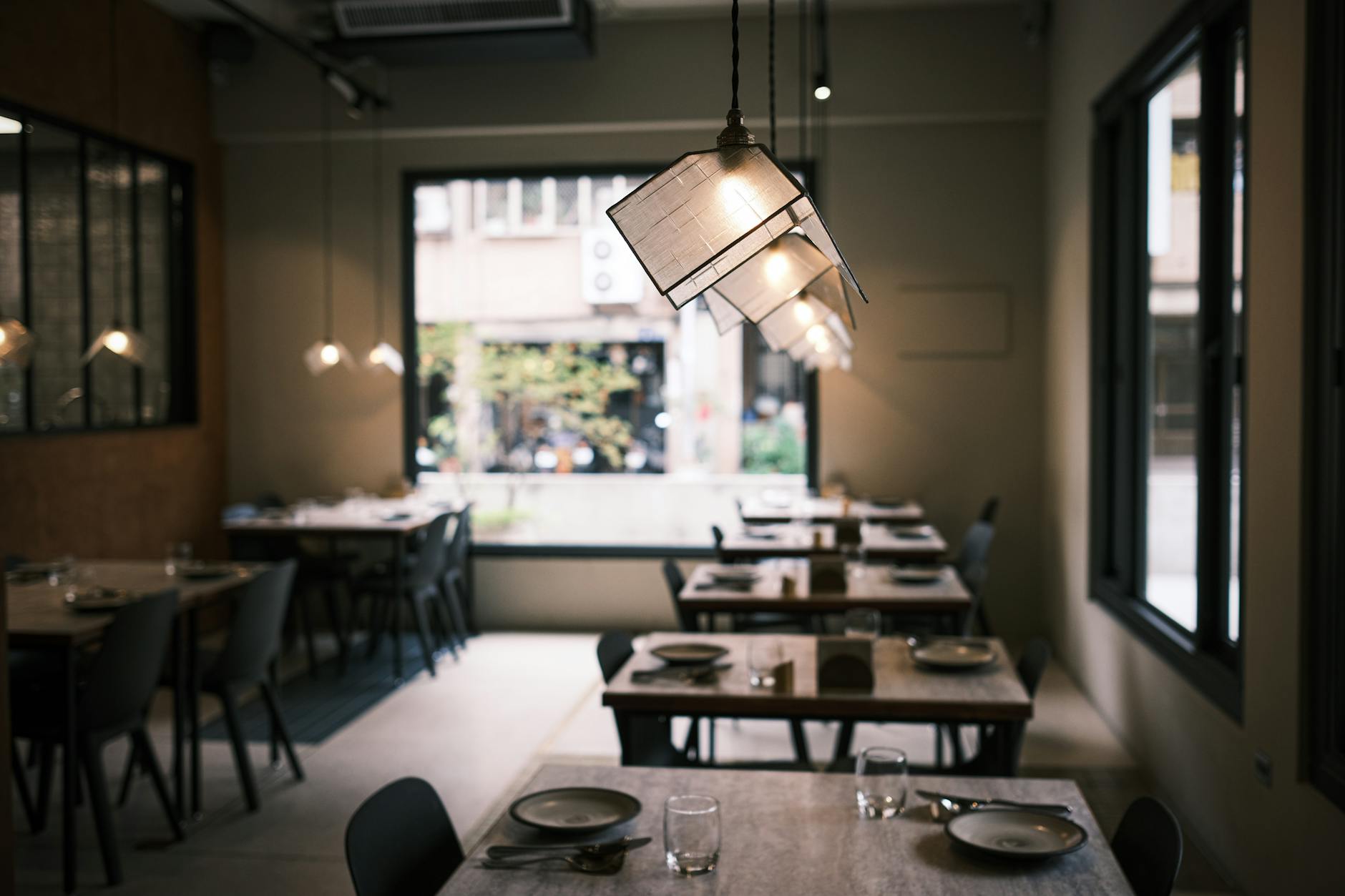
The line at Casa Azteca starts forming before 11 a.m., just as it has every Saturday for the past four decades.
By noon, the modest taqueria at 1847 W. 18th Street will have served hundreds of tacos—carne asada charred over an open flame, carnitas braised until falling apart, al pastor carved from a spinning trompo that has become as much a neighborhood landmark as the murals on the surrounding buildings.
This weekend, the Garcia family is celebrating 40 years since patriarch Manuel Garcia opened Casa Azteca with nothing but a grill, a stack of masa, and a dream of feeding his adopted community.
“My father came to Chicago from Michoacan with $200 in his pocket,” said Maria Garcia-Delgado, 52, who now runs the restaurant alongside her brothers Miguel and Roberto. “He worked in factories, in kitchens, saved every penny. When he opened this place, people said he was crazy. A Mexican restaurant on 18th Street? There were already dozens of them. But he knew he had something special.”
A Recipe for Longevity
That something special starts with the tortillas, made fresh throughout the day from nixtamalized corn that the family grinds on-site using a traditional stone mill. The process is labor-intensive—far more so than simply buying pre-made tortillas from a distributor—but the Garcia family insists it makes all the difference.
“People can taste the love,” Maria said, standing near the comal where her sister-in-law Carmen presses and cooks tortillas in a rhythm perfected over decades. “These are the same recipes my grandmother made in her kitchen in Morelia. We’ve never changed them, and we never will.”
The menu is deliberately simple: tacos, tortas, burritos, quesadillas, and on weekends, birria de res and pozole rojo. Prices have increased over the years—a taco that once cost 75 cents now runs $3.50—but remain remarkably affordable by Chicago standards.
“We could charge more,” admitted Miguel Garcia, 49, who handles the business side while his siblings focus on the kitchen. “Other places in the neighborhood charge $5, $6 for a taco. But this is a working-class community. We’re not trying to get rich. We’re trying to feed our neighbors.”
Pilsen’s Transformation
The Pilsen that Manuel Garcia arrived in during the early 1980s was a neighborhood in transition. Originally settled by Czech immigrants—the neighborhood is named after the city of Pilsen in Bohemia—it had by then become predominantly Mexican, as waves of immigration reshaped Chicago’s lower West Side.
The neighborhood Manuel knew was tight-knit but struggling, marked by poverty, gang activity, and disinvestment. The 18th Street corridor was lined with modest businesses serving a community that often felt forgotten by City Hall.
Four decades later, Pilsen looks markedly different. Art galleries have opened in former warehouses. Craft cocktail bars sit alongside traditional cantinas. Young professionals pay $2,500 a month for apartments that might have rented for a fraction of that a generation ago.
The changes have sparked heated debates about gentrification and displacement, with longtime residents and businesses increasingly priced out of the neighborhood they built.
“I’ve seen so many friends, so many customers, forced to move,” Maria said. “They can’t afford the rent anymore. Their landlords sell to developers. Pilsen is still beautiful, but it’s becoming a different place.”
Casa Azteca has survived, in part, because Manuel Garcia had the foresight to purchase the building in 1992, when commercial real estate in Pilsen was still affordable. The family owns the property outright, insulating them from the rent increases that have shuttered other longtime businesses.
A Community Anchor
Beyond serving food, Casa Azteca has functioned as an informal community center for four decades. Manuel, who passed away in 2019 at age 78, was known for hiring newly arrived immigrants, offering credit to families struggling to make ends meet, and sponsoring Little League teams and quinceañeras.
“My father believed that a restaurant is more than a business,” Roberto Garcia, 45, said. “It’s a gathering place. People come here to celebrate, to mourn, to connect with each other. That’s a responsibility we take seriously.”
The walls of the restaurant are covered with photographs documenting those four decades of celebrations: wedding receptions held in the small back dining room, baptism parties, birthday gatherings, and countless casual meals shared among friends.
“Three generations of some families have eaten here,” Maria said. “We served their grandparents, their parents, and now we serve them. That’s not just a business relationship. That’s family.”
Looking Ahead
As Casa Azteca marks its 40th anniversary, the Garcia siblings are thinking about the future. Maria’s daughter, Elena, 28, recently returned to Chicago after culinary school and has started working in the kitchen. Miguel’s son, David, 24, is learning the business side.
“We hope the next generation will want to carry this on,” Maria said. “But we won’t force them. Running a restaurant is hard work. Long hours, low margins, constant stress. They have to want it in their hearts.”
For now, the family is focused on celebrating the milestone. Throughout November, Casa Azteca is offering a “40th Anniversary Taco” featuring a recipe that Manuel Garcia developed but never put on the menu—lengua tacos with a salsa verde made from roasted tomatillos and serrano peppers.
The restaurant is also hosting a community celebration on Saturday, November 16, with live mariachi music, a photo exhibit documenting the restaurant’s history, and appearances by local politicians and neighborhood leaders.
“Forty years is a long time,” Maria said, pausing to greet a regular customer by name. “But it feels like it went by in a moment. I still remember standing on a milk crate to reach the grill when I was 12 years old. Now I have gray hair, but I’m still standing in the same spot. That’s something to be grateful for.”
Casa Azteca is open Tuesday through Sunday from 10 a.m. to 9 p.m. The anniversary celebration on November 16 begins at 2 p.m.