
Chicago Firefighter Michael Altman Killed in Arson Fire
Chicago mourns firefighter Michael Altman, killed battling a blaze allegedly set by a suicidal suspect. His funeral drew officials, colleagues, and family.
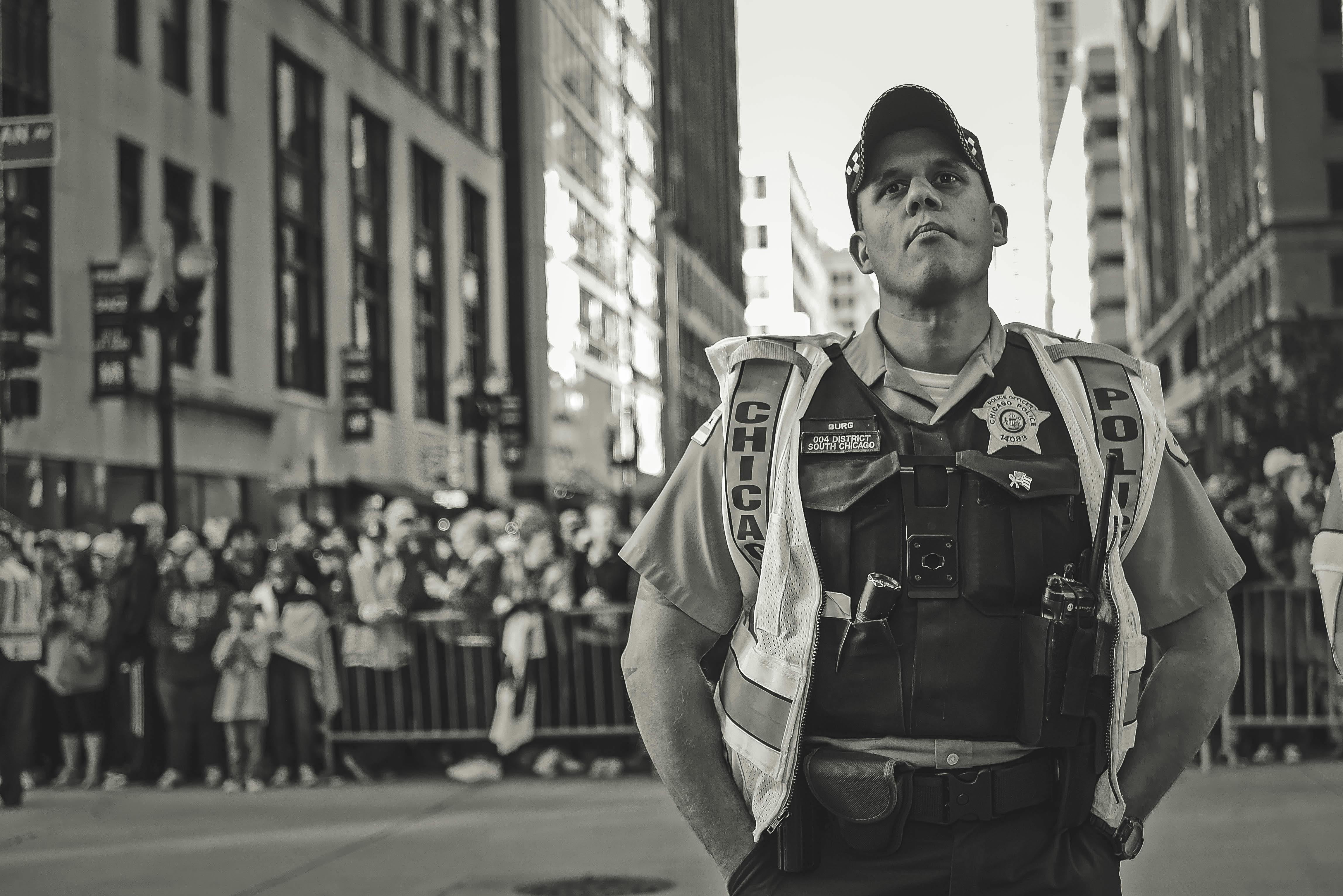
Chicago said goodbye Tuesday to firefighter Michael Altman, a member of the Chicago Fire Department killed in the line of duty after sustaining injuries while battling a blaze prosecutors say was deliberately set by a man described as suicidal.
The funeral drew fellow firefighters, city officials, and grieving family members who gathered to honor a man who ran toward danger as his final act of service. Altman’s death underscores a reality that Chicago firefighters live with every shift: the fires they fight are not always accidents, and the risks they take can cost everything.
Prosecutors allege the fire was intentionally set, adding a criminal dimension to a tragedy that has already shaken the department. The suspect, described by authorities as suicidal at the time, faces charges connected to the blaze that took Altman’s life. Cases like this force a difficult reckoning. A man in crisis, a building in flames, and a firefighter who had no way of knowing what he was walking into when he answered the call.
Altman’s death follows a grim pattern that Chicago’s bravest know all too well. Arson fires account for a disproportionate share of the most dangerous situations firefighters face. When an accelerant has been used, when a structure has been compromised in ways that aren’t immediately visible, when the fire behaves unpredictably, the margin for error collapses fast. Altman paid for that unpredictability with his life.
The Chicago Fire Department has lost members before, and each loss tears through a community that functions on loyalty and shared sacrifice. Firehouses are tight quarters. The people inside them eat together, sleep under the same roof on long shifts, and carry each other’s burdens. When one of them doesn’t come home, the grief is not abstract. It lands hard and it lingers.
The department has not released specifics about where or how Altman served, but the turnout at his farewell reflected a brotherhood in mourning. Dress uniforms, white gloves, a flag-draped coffin. These are rituals that Chicago has performed too many times, but the ritual never makes the loss smaller.
For the city’s political leadership, Altman’s death arrives at a moment when the Fire Department’s resources, staffing levels, and mental health support systems are all under ongoing scrutiny. Chicago has made efforts in recent years to address the toll that the job takes on firefighters, including the psychological burden of responding to trauma on a daily basis. Whether those efforts are keeping pace with the need is a question the department and City Hall will have to keep answering.
The criminal case against the alleged arsonist also raises broader questions about how the city responds to mental health crises before they escalate into catastrophe. If prosecutors’ account is accurate, a man in desperate psychological distress set a fire that killed a first responder. That chain of events represents a failure at multiple points, none of which began with Michael Altman, and none of which he should have paid for with his life.
Chicago has a complicated history with fire. The city rebuilt itself after the Great Fire of 1871 and has been rebuilding in one form or another ever since. The Fire Department is part of that story, a constant presence through every era of growth and crisis. The men and women who serve in it take on risks that most residents never have to think about, and they do it because someone has to.
Altman’s colleagues will return to those same risks on their next shift. That is the nature of the job, and it is why the city owes them not just ceremony but commitment. Commitment to proper equipment, adequate staffing, mental health resources, and a criminal justice system that takes seriously the devastation that arson can cause.
Tuesday’s service was a farewell to one firefighter. It was also a reminder of what this city asks of the people willing to do this work, and what it means when the city fails to bring one of them home.