
Two Men Charged in Assassination of Chicago Business Leader
Jerry Lewis, 67, was shot and killed outside his offices near the United Center. Two suspects waited 90 minutes before opening fire in front of officers.
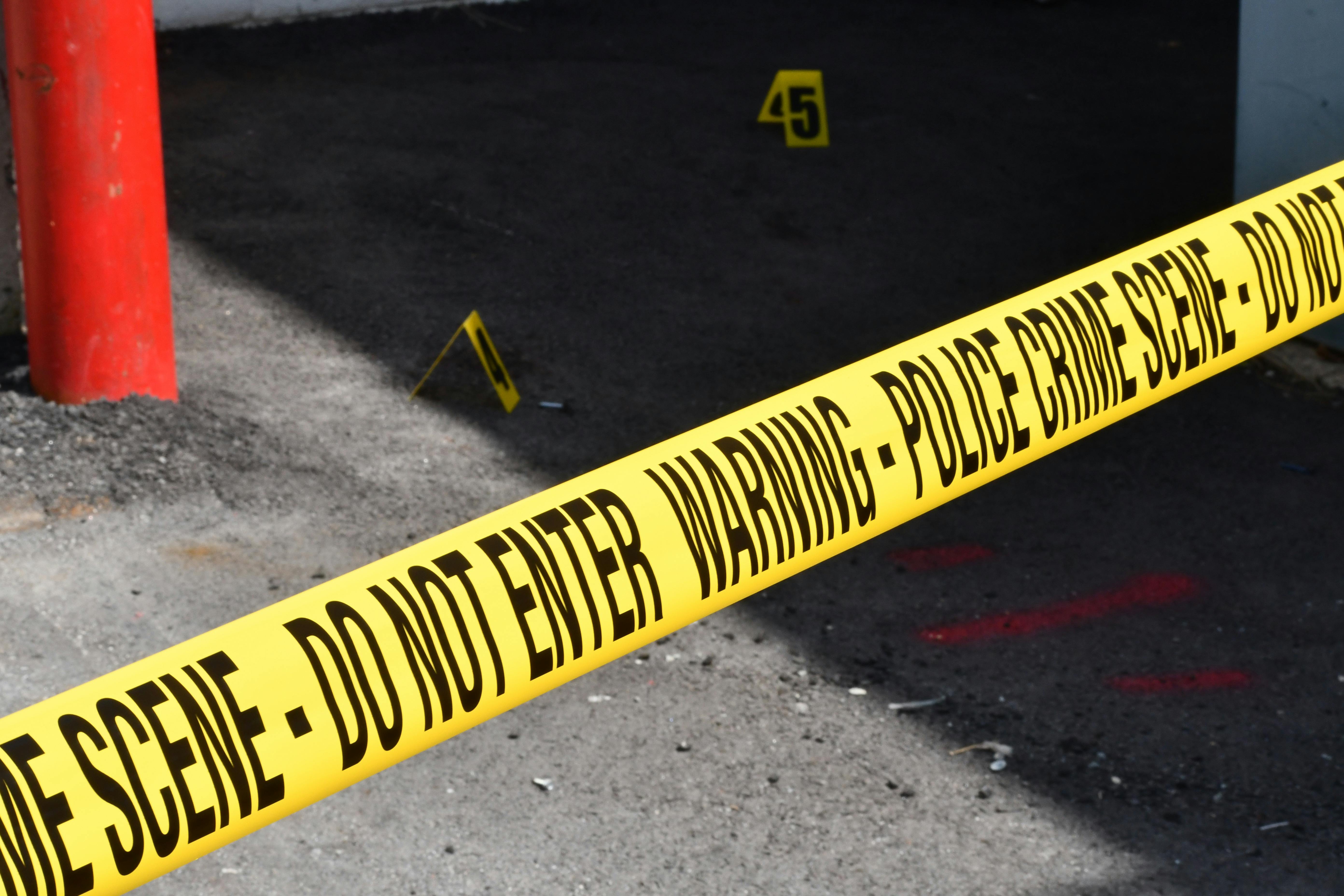
Six Chicago police officers were close enough to hear the shots. They watched anyway, because there was nothing to watch until it was already too late.
Jerry Lewis, 67, a businessman tied to the massive development project surrounding the United Center, was shot and killed Tuesday afternoon outside his offices at 2127 W. Madison St., just blocks from the arena. Cook County prosecutors laid out the details Friday at a detention hearing, and what emerged was a portrait of a calculated, brazen killing carried out in plain sight.
Nassie Mason, 28, and Erving Harris, 31, had parked a stolen Honda outside Lewis’ offices and waited. Surveillance footage shows the two men sitting there for 90 minutes before Lewis stepped outside. When he did, prosecutors say the men jumped from the vehicle wearing latex gloves.
Mason shot Lewis once in the back of the head. Then Harris stood over him and fired three more rounds, according to Assistant State’s Attorney Mike Pekara.
Lewis was taken to Stroger Hospital, where he was pronounced dead.
The six officers, who had been patrolling Madison Street, were exiting their squad cars when they witnessed the shooting. Mason and Harris were arrested quickly. Four shell casings recovered at the scene matched two guns taken from the suspects, one of which was equipped with an extended magazine.
“We have two individuals assassinating the victim as we had police feet away,” Pekara told Judge D’Anthony Thedford at the detention hearing.
Pekara offered no motive. That absence hangs heavy over a case that connects to one of the largest and most closely watched development deals in Chicago’s recent history. Lewis had been involved in the sprawling project envisioned for the Near West Side corridors around the United Center, a neighborhood that has drawn enormous investment attention and no shortage of competing interests.
What drew Mason and Harris to his doorstep, and who if anyone sent them, remains a thread prosecutors have not yet pulled publicly.
The mechanics of the attack suggest planning. Lewis operated out of two adjacent office buildings, both of which required a key or an internal buzzer to enter. He was shot while moving between the two buildings, waiting for a secretary to let him inside. That secretary witnessed the killing.
Thedford ordered both men held at Cook County Jail.
Each faces charges of first-degree murder and being a felon in possession of a weapon. Their criminal records, detailed by prosecutors, tell a long story of violence and weapons offenses.
Harris has been arrested repeatedly and carries two drug convictions. He was on parole at the time of the shooting, serving out a sentence tied to a 2018 armed carjacking for which he received 16 years in prison.
Mason was sentenced to 54 months in prison in 2017 after a conviction for aggravated discharge of a firearm. He drew three more years in 2023 after being found with a loaded handgun and a “switch” device, the kind of illegal modification that converts a semi-automatic pistol into an automatic weapon.
Two men with records like that, parking a stolen car outside a businessman’s locked office, waiting an hour and a half, wearing gloves, carrying guns with extended magazines. This was not a dispute that escalated. Someone planned this.
The Near West Side has changed dramatically over the past decade, and the land around the United Center sits at the center of competing visions for what Chicago’s next chapter looks like. Billions of dollars, political relationships, and neighborhood futures are bound up in those blocks. Lewis was part of that conversation.
Whether his killing is part of that story or something else entirely, prosecutors have not said. What they have established is that two men waited in a stolen car until a 67-year-old businessman walked outside, then shot him four times while cops were steps away.
The city has seen its share of brazen violence. But an alleged assassination carried out in front of a six-officer patrol, steps from one of Chicago’s most recognized landmarks, is something that demands more than charges. It demands answers about why.