
West Garfield Park Opens $50M Sankofa Village Wellness Center
West Garfield Park's new 60,000-square-foot Sankofa Village Wellness Center aims to close a 20-year life expectancy gap in one of Chicago's most underserved neighborhoods.
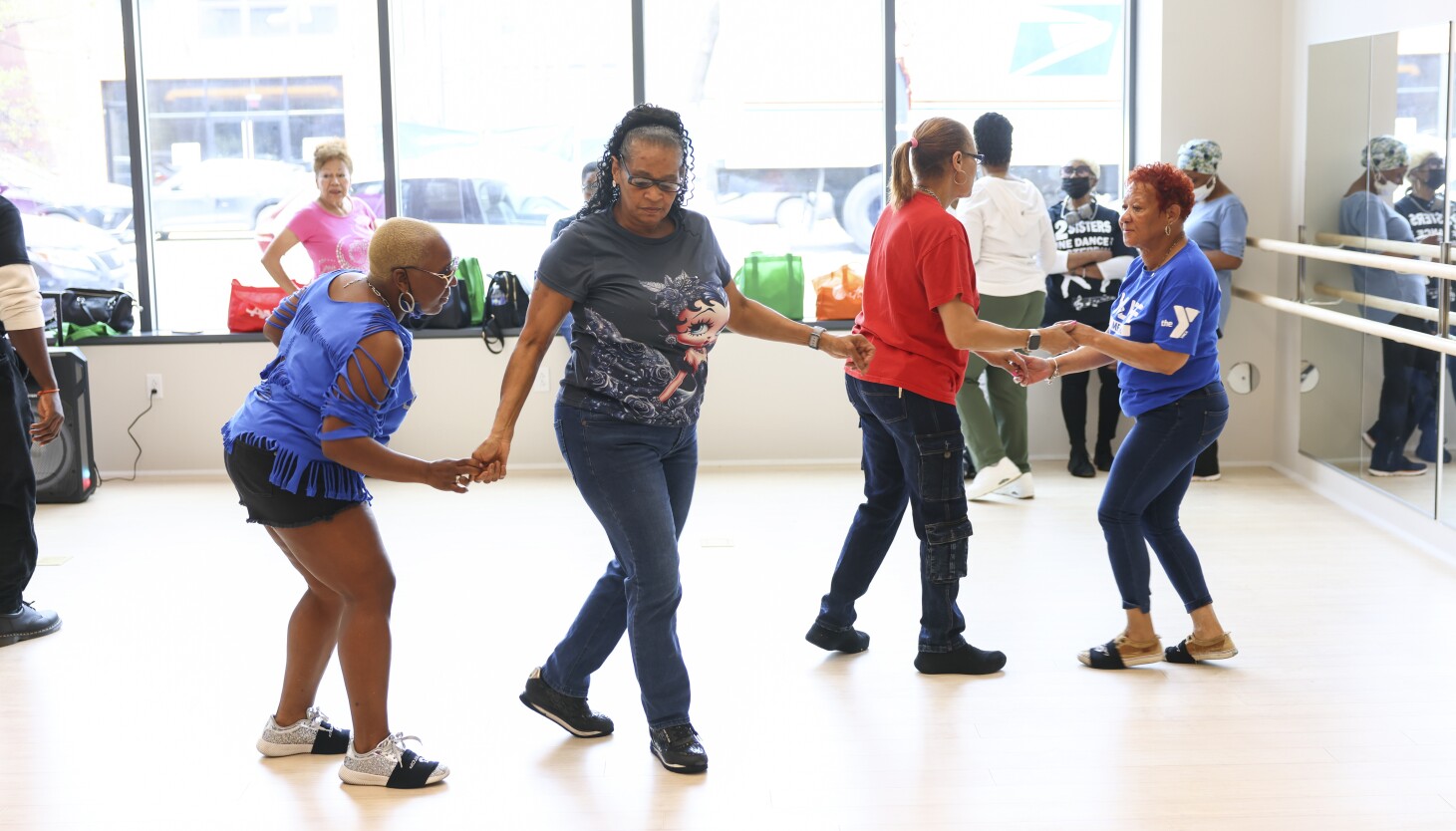
West Garfield Park cut the ribbon Thursday on a nearly $50 million wellness center built to narrow a 20-year life expectancy gap that has made the neighborhood one of the most medically underserved communities in Chicago.
The Sankofa Village Wellness Center, a 60,000-square-foot facility along Madison Street, opens to residents who in 2023 had an average life expectancy of 67 years, the lowest of any Chicago neighborhood. The Loop, where most residents are white, recorded an average of 87 years that same year.
Marquis Pitts, 28, a lifelong West Garfield Park resident, told the roughly 300 people packed onto the center’s basketball court what the building means to him. He said he has grown exhausted opening his phone to see announcements about people he grew up with who have been killed.
“That’s what this wellness village is about. This is about saving lives,” Pitts said.
He pushed the crowd not to let the facility gather dust. “Don’t let this become something we have,” he said. “Make it something we use because this was built for you.”
The center sits on Madison Street, a corridor that was once a commercial hub on Chicago’s West Side before white flight and the 1968 riots stripped away investment and left blocks dormant for decades. Sankofa is one of the largest single health investments the neighborhood has seen since that era. Under its roof, residents can see a doctor or a dentist, use an indoor gym, walk a dedicated track, or get job placement help. The range of services reflects years of community input from residents who said they needed more than a clinic.
New data from the Chicago Health Atlas shows early movement on the numbers. In 2024, West Garfield Park’s average life expectancy climbed to 70 years, a three-year gain. The neighborhood no longer holds the lowest ranking in the city. Fuller Park on the South Side now ranks first for lowest life expectancy, according to the Atlas.
Three years. That’s the progress. Public health researchers caution it takes sustained investment over a generation to close a gap this wide, and community leaders here say they know the work is far from finished.
The Chicago Department of Public Health tracks the death gap through indicators including heart disease, cancer, homicide, and opioid overdose, all of which hit West Garfield Park at disproportionate rates. A neighborhood’s life expectancy is shaped by whether residents can see a doctor without traveling miles, whether they have safe places to exercise, whether they can hold stable employment. Sankofa was designed specifically to address that cluster of conditions in one place, according to the Chicago Sun-Times, which covered Thursday’s opening.
The building spans roughly the footprint of a football field. It didn’t happen quickly. Organizers and city officials spent years in planning and community engagement before construction began, and the final price tag came in at close to $50 million. That figure reflects not just construction costs but the political and financial effort required to channel that level of capital into a neighborhood that has watched investment bypass it for two generations.
For residents like Pitts, the ribbon cutting was emotional in a way that went beyond civic ceremony. He told the crowd that the senseless killing has to stop. He was close to breaking down as he spoke. The weight behind his words came from a specific kind of grief that West Side residents know, the accumulation of funerals and rest-in-peace posts and empty storefronts that quietly signal a community that hasn’t been prioritized.
Whether Sankofa can sustain programming, staff a full medical team, and hold its financial footing over the next decade will determine how much the life expectancy numbers move. City health officials haven’t announced dedicated recurring funding for operations. Community health advocates say that question needs an answer before the opening-day energy fades.
What is confirmed is that as of Thursday, West Garfield Park has a 60,000-square-foot facility with functioning medical suites, a gym, a walking track, and job services, assets that most North Side neighborhoods have taken for granted for years, now finally on the West Side.