Ford City Mall Faces Forced Shutdown Over Safety Concerns
A Cook County judge gave Ford City Mall one week to produce a safety plan or face closure after the city cited a broken fire suppression system.
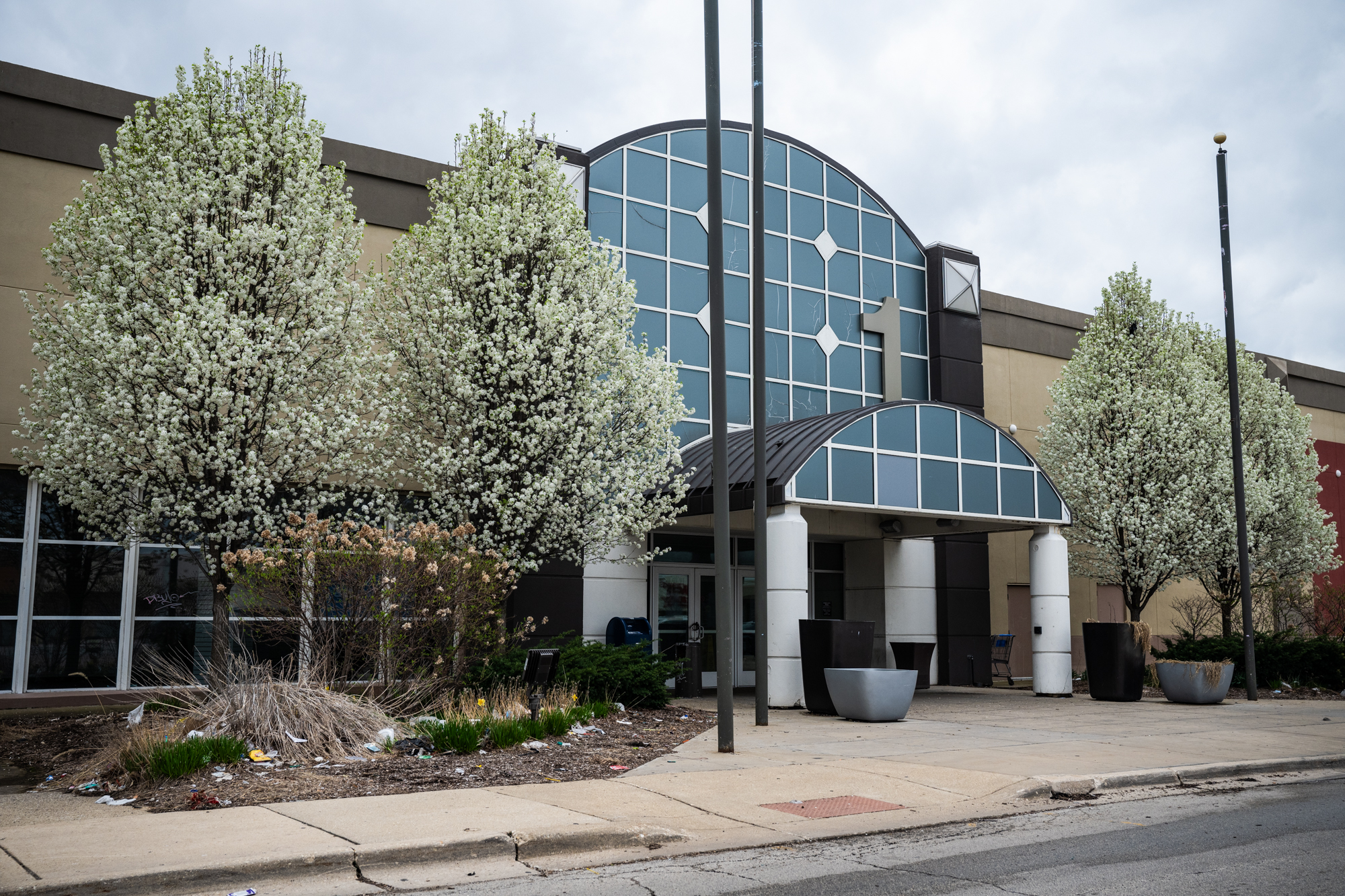
Ford City Mall has one week to avoid a forced shutdown after a Cook County judge gave tenants and mall owner Namdar Realty Group until next Thursday to produce a safety plan or prepare to vacate the 7601 S. Cicero Ave. property.
Cook County Circuit Judge Leonard Murray continued the city’s emergency vacate motion Thursday, stopping short of ordering an immediate closure but making clear that his patience has run out. The city filed the emergency motion April 10, citing a broken fire suppression system that officials say puts everyone inside the West Lawn-area mall in serious danger.
“My expectation is that you will have a meeting of the minds over the next seven days,” Murray said. “Let’s get to the bottom of this if we can, but if not, my job is to save lives, and it may well require the shutting down of this structure in order to prevent loss of life to anyone.”
Murray denied a request from a JCPenney representative who asked for 30 days to respond to the motion.
Ald. Derrick Curtis, whose 18th Ward covers Ford City Mall, didn’t mince words. He called the mall a death trap and said the push to vacate was “the right thing to do.” Curtis laid the blame squarely on Namdar, a real estate company that specializes in buying distressed properties and paid $16.6 million for the mall in 2019.
“If you Google Namdar’s properties, all over the country, they’re doing the same thing, just sucking everything out,” Curtis said.
Namdar hasn’t invested “one quarter” in the property since acquiring it, Curtis said. The mall’s parking lot has become “a haven for crime,” with people using it to practice drifting.
The deterioration is severe. According to the city’s emergency motion, conditions inside include large vacant spaces, flooding, open wiring, dirty conditions, and poor lighting. Kristen Cabanban, director of news affairs and administration at the Law Department, said the defective fire suppression system creates an “imminent health and safety risk to commercial tenants and occupants.” She also warned that “unidentified leaks in the system” could trigger a sinkhole beneath the structure, raising the possibility that the building doesn’t just burn. It could cave in.
Floods. Open wires. A roof that might drop.
The city didn’t arrive here overnight. Chicago’s Fire Department first tried to work with Namdar to fix the fire suppression system back in May 2024, according to court records. When conditions hadn’t improved a year later, the city escalated, filing a lawsuit in May 2025. Then came the emergency motion this month, reported by Block Club Chicago, after the Fire Department confirmed the suppression system still wasn’t working.
For tenants inside the mall, the timeline is brutal. Small business owners now face a week to reach some kind of agreement that could, in Murray’s words, “spare the tragic consequence that might come to both the individual business owners and their employees and the neighbors and consumers.” Many of these businesses didn’t break the suppression system. They just rented space from a company that let it rot.
The broader pattern around Namdar isn’t unique to Chicago. The National Trust for Historic Preservation and urban policy researchers have tracked a wave of distressed mall acquisitions across the country where owners collect rents and defer all maintenance costs indefinitely, leaving local governments to clean up the damage. Chicago has few legal tools to force private property owners to invest in upkeep until conditions become genuinely life-threatening. Ford City Mall is what that endpoint looks like.
For the Ashburn and West Lawn neighborhoods surrounding the mall, this is both a safety crisis and a long-running civic wound. Ford City Mall opened in 1965 and once anchored the Southwest Side’s commercial identity. It employed thousands over the decades. What’s left now, according to the city’s own court filings, is an open-wiring, flood-prone shell that an alderman is calling a death trap.
Murray told all parties the next seven days matter. Business owners need a plan that addresses the safety deficiencies, or the judge said he’ll order everyone out. The Cook County Circuit Court docket shows the case will return to his courtroom next week, at which point the direction of this building, and the livelihoods tied to it, will become much clearer.
Curtis wants Namdar to act. So does the city. So does the judge.
So far, Namdar has given no public indication it will.