
Bears' Move to Arlington Heights Closer After Illinois Vote
Illinois lawmakers passed a bill clearing a major obstacle for the Bears' planned move to Arlington Heights, bringing a suburban stadium closer to reality.
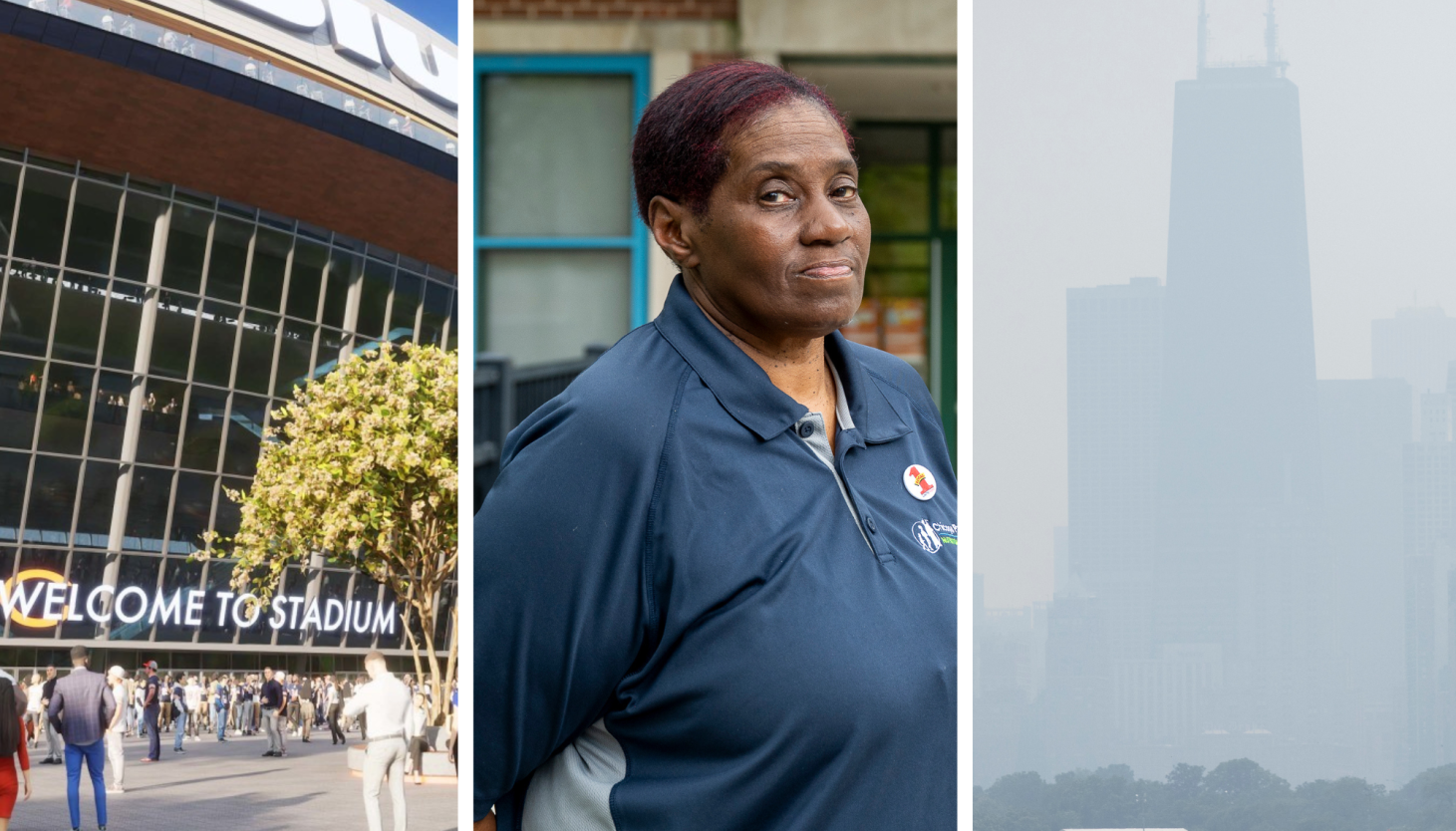
Illinois lawmakers passed a bill Wednesday clearing a major obstacle for the Chicago Bears’ planned move to Arlington Heights, bringing the franchise’s departure from the city closer to reality than at any point in the team’s century-long Chicago history.
The legislation, approved in Springfield, addresses key financing and land-use questions that have stalled the Arlington Heights stadium project for years. The Bears have been eyeing the former Arlington International Racecourse site since the team purchased the property in 2023 for $197.2 million, and Wednesday’s vote removes one of the last significant legislative barriers standing between the franchise and a suburban future.
The move would end the Bears’ tenure at Soldier Field, the lakefront stadium the team has called home since 1971. Chicago officials have been largely powerless to stop it.
That’s the political reality Mayor Brandon Johnson’s administration now faces. A professional football franchise that generates hundreds of millions in regional economic activity each year is heading to the suburbs, and city hall doesn’t have a clean play to keep them.
The Bears’ Arlington Heights plan calls for a domed stadium and surrounding mixed-use development on the 326-acre former racetrack site in the northwest suburbs, about 30 miles from the Loop. The project has drawn comparisons to SoFi Stadium in Los Angeles and Allegiant Stadium in Las Vegas, both of which anchored broader real estate development around the venue. Supporters argue the Arlington Heights project could do the same for the northwest corridor, generating construction jobs and long-term tax revenue for the region.
Critics, including some Chicago alderpersons and community groups, say the city should have done more to keep the team on the lakefront or explored alternative sites within city limits. For years, the Bears signaled frustration with Soldier Field’s capacity and the constraints of the lakefront location, which sits on publicly protected parkland that limits stadium expansion options.
The bill’s passage in Springfield is a significant win for the Bears and for Arlington Heights officials who have courted the franchise. The Illinois General Assembly vote on Wednesday came after months of negotiation over the financing structure and what public investment, if any, would accompany the project. Full details of the final bill were not immediately available Wednesday.
Bears officials did not release a public statement immediately after the vote, according to Chicago Sun-Times reporting on the legislation.
Done in Springfield doesn’t mean done everywhere. The Bears still face steps at the local and county level before any construction begins, including zoning approvals in Arlington Heights and Cook County infrastructure agreements tied to transit access for the site. The Regional Transportation Authority has been involved in discussions about Metra service improvements that would connect the stadium to the broader transit network, a logistical challenge given the site’s suburban location and the game-day crowds a NFL stadium draws.
The timeline for construction has not been confirmed publicly, but team officials have previously indicated they want the facility open before the end of the decade. That would require breaking ground within the next two years.
For Chicago, the Bears’ departure carries symbolism that goes beyond football. The franchise was founded in 1920 and has been a civic institution across four generations of Chicagoans who grew up watching games on the lakefront, first at Wrigley Field in Wrigleyville and later at Soldier Field in the Museum Campus area. Losing the team to a suburb doesn’t strip Chicago of a sports franchise in the way a full relocation to another city would, but it shifts the economic and cultural center of gravity for one of the city’s four major sports properties.
Whether the Bears can deliver the full scope of their Arlington Heights vision depends on factors still unresolved: private financing commitments, the pace of ancillary development, and how quickly the northwest suburbs can build out the infrastructure surrounding the site. A domed stadium of the scale the Bears have described would rank among the largest construction projects in Illinois history, with costs that outside analysts have estimated could run to several billion dollars.
Springfield’s action Wednesday accelerates that clock and puts the question of execution squarely in the Bears’ hands.