
Cubs Pitching Staff Unraveling in 2026 Like the Mets
The Cubs beat the Mets 12-4, but Chicago's bullpen is in crisis with multiple pitchers lost to injury. Can the offense keep carrying the team?
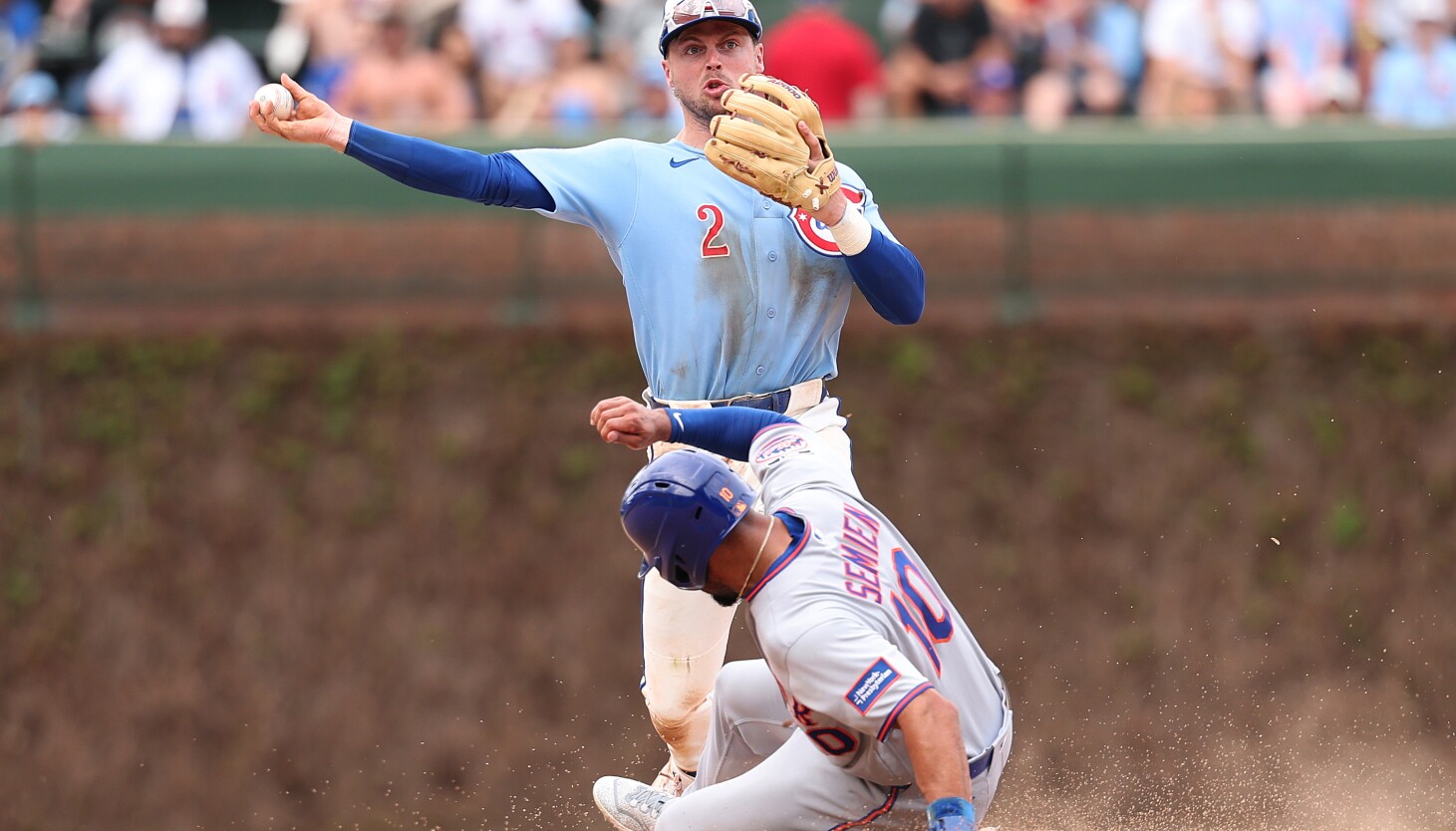
The Cubs battered the Mets 12-4 at Wrigley Field on Friday, but the celebration on the North Side came with a warning label attached.
Chicago’s pitching staff is falling apart. Closer Daniel Palencia went on the 15-day injured list Friday with a strained left oblique, the latest in a string of arm and body failures that have left the bullpen looking like a MASH unit on Addison Street. Starter Cade Horton is done for the season. Reliever Porter Hodge is done for the season. Opening Day starter Matthew Boyd is only now working his way back from the injured list. And reliever Ethan Roberts managed to injure himself in a manner the Chicago Sun-Times described as slicing up one of his pitching fingers.
That’s a lot of bad luck packed into the first month.
The Cubs sat at 10-9 entering the weekend, riding a three-game winning streak, their first of 2026. They came into this seven-game homestand in last place in the NL Central. Nico Hoerner has been hot at the plate, the offense is producing, and Friday’s blowout win over New York felt like something close to a statement. But the pitching attrition is real, and it’s accelerating.
Here’s the uncomfortable question manager Craig Counsell has to reckon with: How long can a lineup bail out a staff that keeps losing bodies?
The New York Mets offer an instructive, if grim, answer. New York entered 2026 with the second-highest projected payroll in baseball, $370 million, a roster built around Juan Soto, Francisco Lindor, Bo Bichette, Luis Robert Jr., and Freddy Peralta. The front office spent like a team that expected October baseball. The results so far have been humiliating. The Mets sat at 7-13 through Friday, last in their division, the most disappointing team in the National League by most reasonable measures.
If it can happen to New York with that kind of money and that kind of talent, it can happen in Chicago.
The Cubs aren’t the Mets. Their roster is talented, their fans are engaged, and the early returns on the offense are genuinely encouraging. But the Cubs and Mets share a structural vulnerability that goes beyond any one bad week. Both teams built their 2026 hopes on pitching depth that has not held. The Mets got hurt. The Cubs got hurt. The difference, for now, is that Chicago’s lineup is covering the damage.
Counsell said after Friday’s win that the roster would need to adapt, according to the club’s postgame availability, but he stopped short of describing the bullpen situation as a crisis. Given that he’s lost his closer, two key contributors from the rotation and relief corps, and his Opening Day starter for a stretch, “adapt” may be doing a lot of work in that sentence.
The MLB transactions database shows just how crowded the Cubs’ injured list has become for a team not yet three weeks into the regular season.
The next several weeks will test whether Chicago’s front office can fill the gaps fast enough. Triple-A Iowa has arms, but the question is whether any of them are ready to hold leads in close games at Wrigley when the division race tightens. The NL Central standings as of Friday showed the division is still compressible enough that a bad week could pull the Cubs back toward the bottom quickly.
Hoerner’s bat helps. The offense helps. A 12-4 win always helps.
But the Cubs won’t beat every opponent by eight runs. There will be 2-1 games and 3-2 games, the kind that require a functional back end of the bullpen and a closer who can throw in the ninth inning. Right now Chicago doesn’t have one. Palencia is out. The pieces behind him are untested under real pressure.
The Mets spent $370 million and found out in April that payroll doesn’t protect you from a bad injury run. The Cubs are learning the same lesson at a lower price point. The question isn’t whether they’re better than the Mets. They probably are. The question is whether they’re healthy enough, deep enough, and lucky enough to stay that way through a 162-game schedule that has already taken more than its share from this pitching staff.
Friday was a good day on the North Side. The Cubs need a lot more of them before anyone starts talking about October.