
Study Reveals Chicago Police Disproportionately Use Force Against Black and Latino Residents
Chicago police officers disproportionately used force against Black and Latino residents compared to white residents, even when accounting for arrest rates and crime suspicion levels, according to a court-ordered study examining four years of police data.
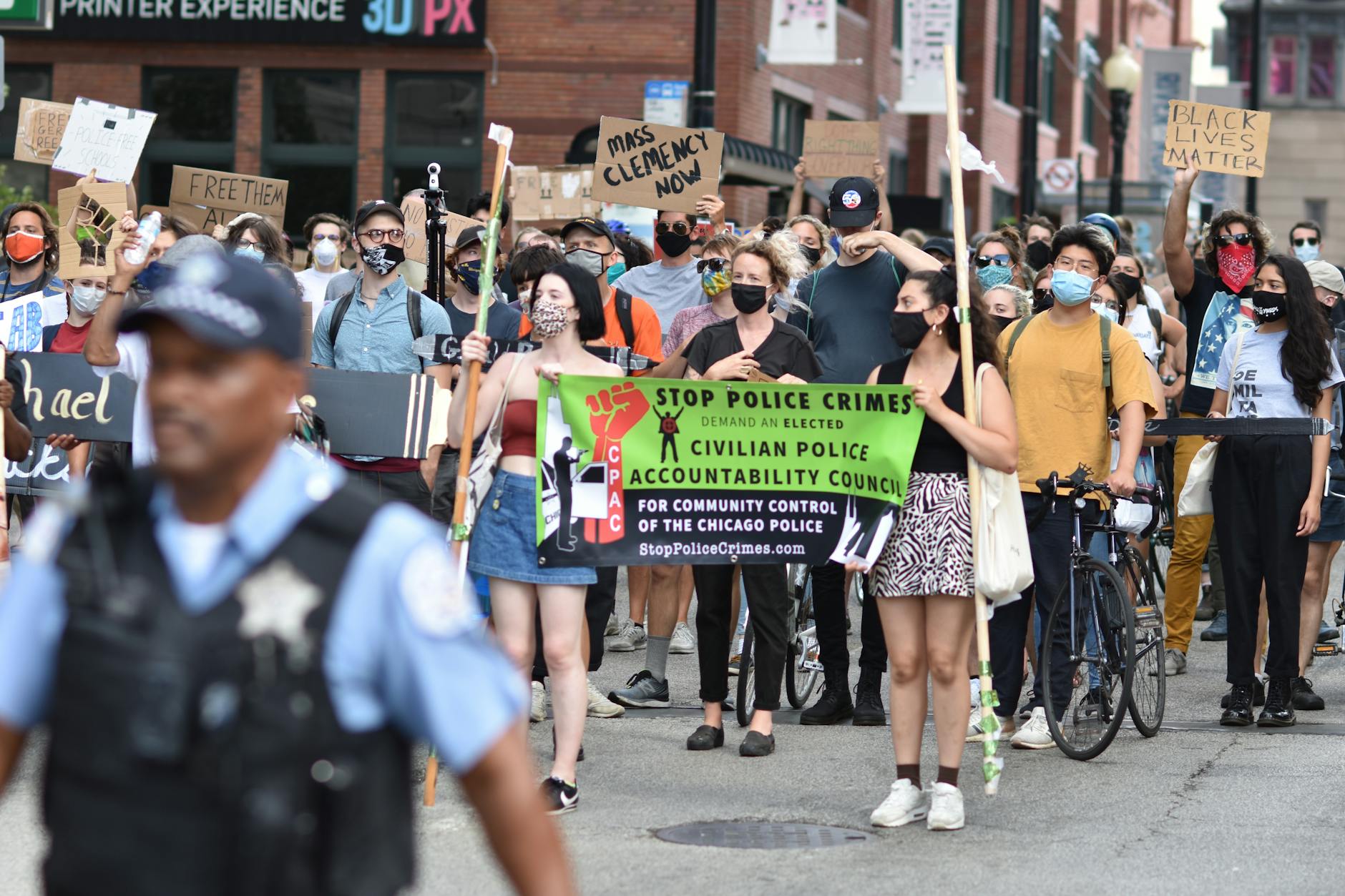
Chicago police officers disproportionately used force against Black and Latino residents compared to white residents, even when accounting for arrest rates and crime suspicion levels, according to a court-ordered study examining four years of police data.
The study, conducted by social scientists from the University of Texas at San Antonio and the University of Pennsylvania, found that Chicago Police Department officers not only used force more frequently against Black and Latino Chicagoans but also employed higher levels of force against these groups compared to white residents, according to the research results.
CPD brass commissioned the study, which received approval from a court-appointed monitoring team. The researchers attributed the disparities to “systemic factors” rather than individual officer actions, according to the study findings.
Police reform advocates expressed frustration with the department’s response to the March 2025 study, saying CPD has failed to implement policy changes based on the research.
“The Chicago Police Department is required to take steps to address the results, and as of right now, we have seen no evidence that the Chicago Police Department has changed any policies or training or examined any operational changes they are going to make as a response to these really disturbing findings,” said Alexandra Block, director of the Criminal Legal System and Policing Project at the ACLU of Illinois.
Block represents victims of police violence and a coalition of police reform groups seeking stricter compliance with the federal consent decree governing CPD operations. She emphasized that the study’s methodology controlled for various factors that might explain the disparities.
“This was a methodology that CPD agreed to use and controlled for crime rates, arrest rates, the rates at which Black and Latino people are suspected of committing crimes,” Block said. “None of those factors explained away the racial disparities. (The findings) are not related to crime rates, they are related to bias.”
The study results come as CPD continues working toward full compliance with a federal consent decree. As of June 30, 2025, the department achieved preliminary compliance with 94% of consent decree requirements, secondary compliance with 66%, and full compliance with only 23%, according to monitoring data.
Block characterized these figures as “progress on paper, but not much progress on the streets.”
community organizations played a key role in bringing the study to public attention. Network 49, a police accountability group based in Chicago’s 49th Ward, joined a coalition that filed the Freedom of Information Act request leading to the study’s release.
“We’re glad that the police department did the study,” said Michael Harrington, co-chairperson of Network 49. “We’re not happy that we had to force them to release the results of the study.”
Harrington described recent discussions with CPD leadership about implementing the study’s findings as unproductive. His organization met with department officials in January to discuss potential policy changes.
“They said, ‘We need to study it more, we need to find out why it’s happening,’” Harrington said. “We don’t need another meeting to plan a meeting to talk about maybe an agenda. We need action.”
A Chicago Police Department spokesperson acknowledged the department’s ongoing reform efforts while recognizing additional work remains. “The department continues to make significant strides in our consent decree compliance efforts,” the spokesperson said. “We know we have more work to do and will continue to build on the foundation we have set.”
The study represents the first comprehensive analysis of its kind examining racial disparities in CPD’s use of force, providing data-driven evidence that community advocates say should prompt immediate policy reforms rather than additional study.