Politics
Review: 'Two Sisters and a Piano' at Writers Theatre
Writers Theatre's staging of Nilo Cruz's 'Two Sisters and a Piano' delivers genuine peaks but struggles to sustain them in an uneven yet admirable production.
Michael Kowalski ★

A Fresh Gust for the Windy City
Writers Theatre's staging of Nilo Cruz's 'Two Sisters and a Piano' delivers genuine peaks but struggles to sustain them in an uneven yet admirable production.
 Politics
 Mayor Brandon Johnson's budget director Annette Guzman collected illegal property tax breaks for five years on a South Loop condo she no longer lived in.
 Politics
 Padma Lakshmi, Veronica Roth, Michael Pollan and more headline the 2026 Chicago Humanities Festival running March 24 through June 28.
 Politics
 Illinois voters head to the polls in a primary election with competitive races for U.S. Senate, Cook County Board President, and Cook County Assessor.
 Politics
 New SNAP work requirements now apply to adults up to age 54, hitting older Chicagoans on the South and West sides especially hard amid limited job prospects.
 Politics
 Mayor Brandon Johnson calls freezing Chicago's subminimum wage phaseout 'irresponsible' as a City Council vote looms on Wednesday.
 Politics
 Chicago's License Committee rejected ward-by-ward video gambling bans requested by six mayoral allies, defying the longstanding aldermanic prerogative tradition.
 Politics
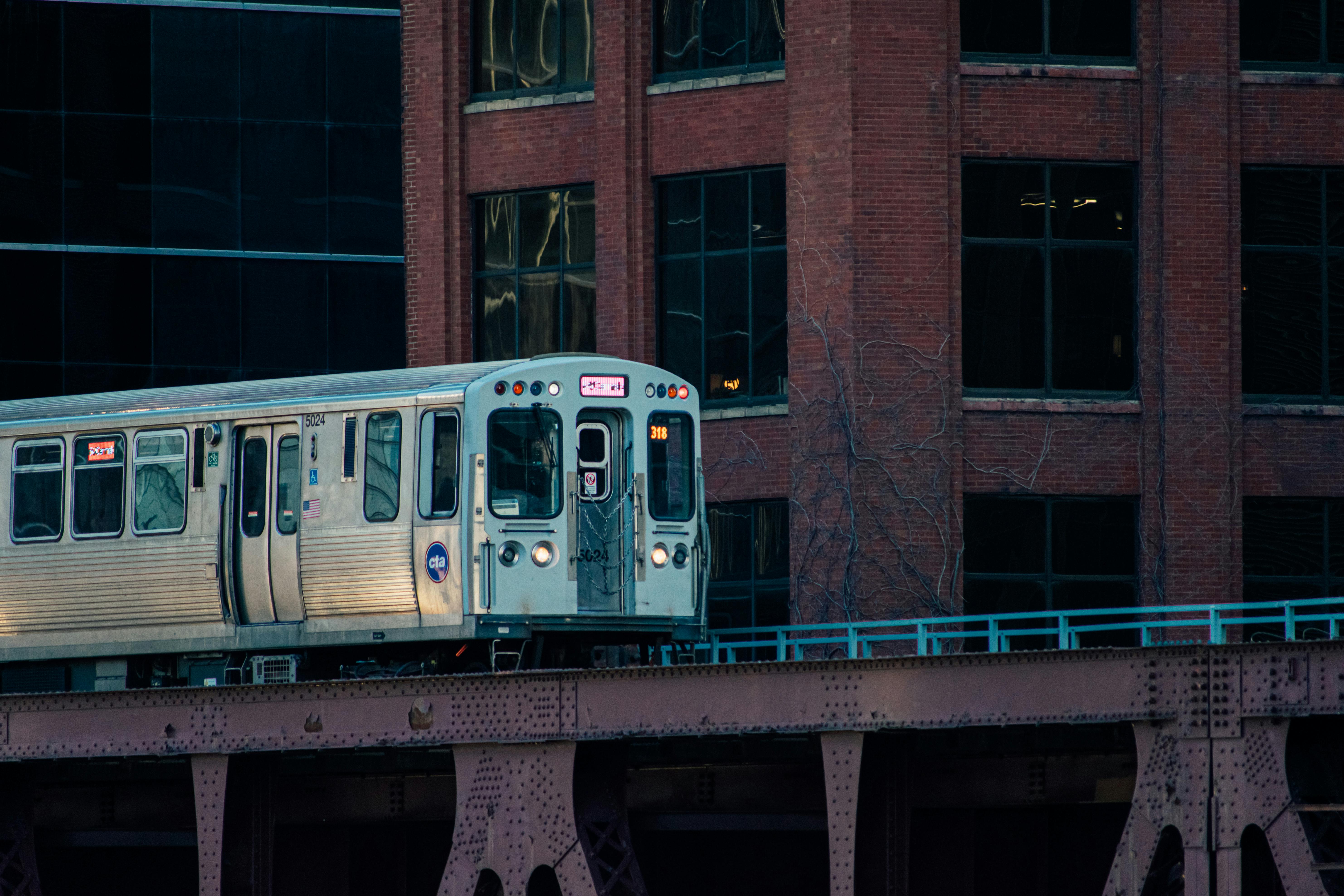
 A Sun-Times analysis found 60+ riders shoved onto CTA L tracks since 2021, averaging roughly one incident per month on Chicago's train system.
 Local
Local Chicago mourned Rev. Jesse Jackson Sr., with three former presidents attending, while hundreds marched for Women's Day in a powerful two-week recap.
 Local
Local Sheaves Slate faces murder and arson charges after allegedly setting a Rogers Park fire that killed Chicago firefighter Michael Altman, 32, during a tenant dispute.
 Local
Local Robert Villanueva faces five misdemeanor battery counts after pouring liquid on children and adults leaving a Ballet Folklorico studio in Avondale.
 Local
Local From St. Patrick's Day river dyeing and Election Day at Manny's to a West Ridge encampment sweep, Chicago packed a dramatic week into just a few days.
 Local
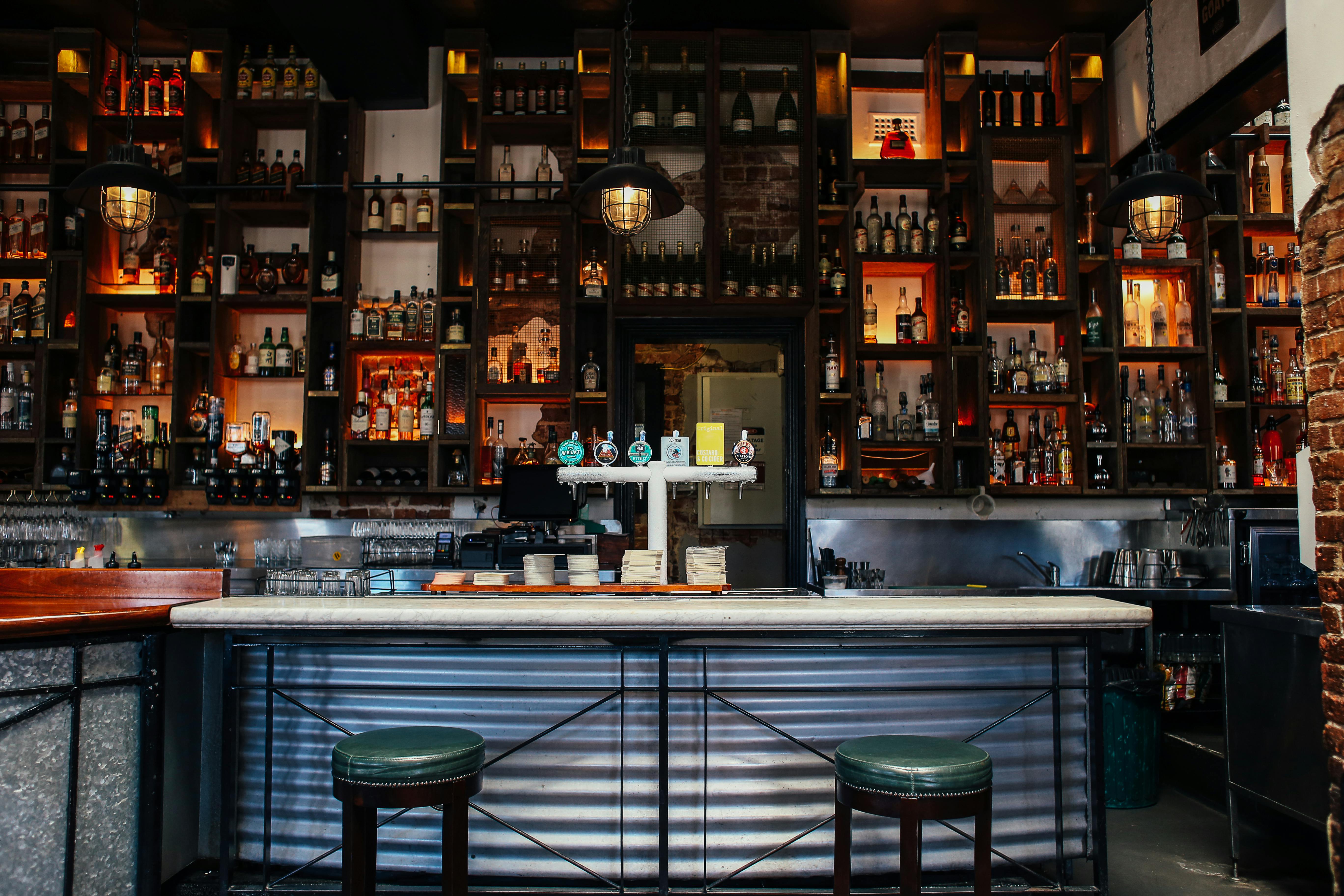
Local Jeff VanDam's Whiskey Trust blends Kentucky bourbon barrels in Avondale, merging Chicago's forgotten whiskey history with modern craft spirits.
 Local
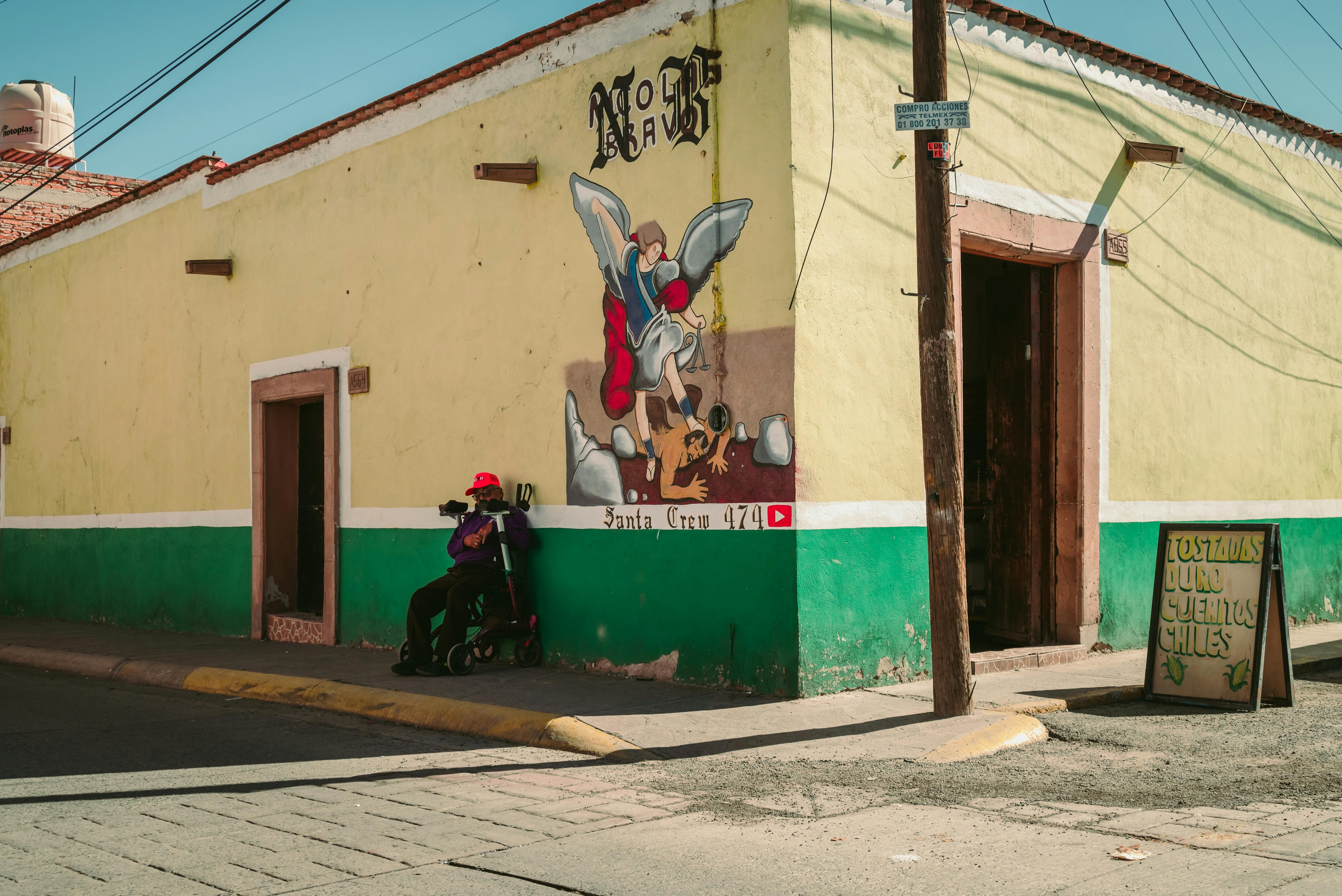
Local Photographer Kelly White's 'Cheers to the South Side' exhibit celebrates Beverly's iconic Irish pubs through architectural photography at the Beverly Arts Center.
 Local
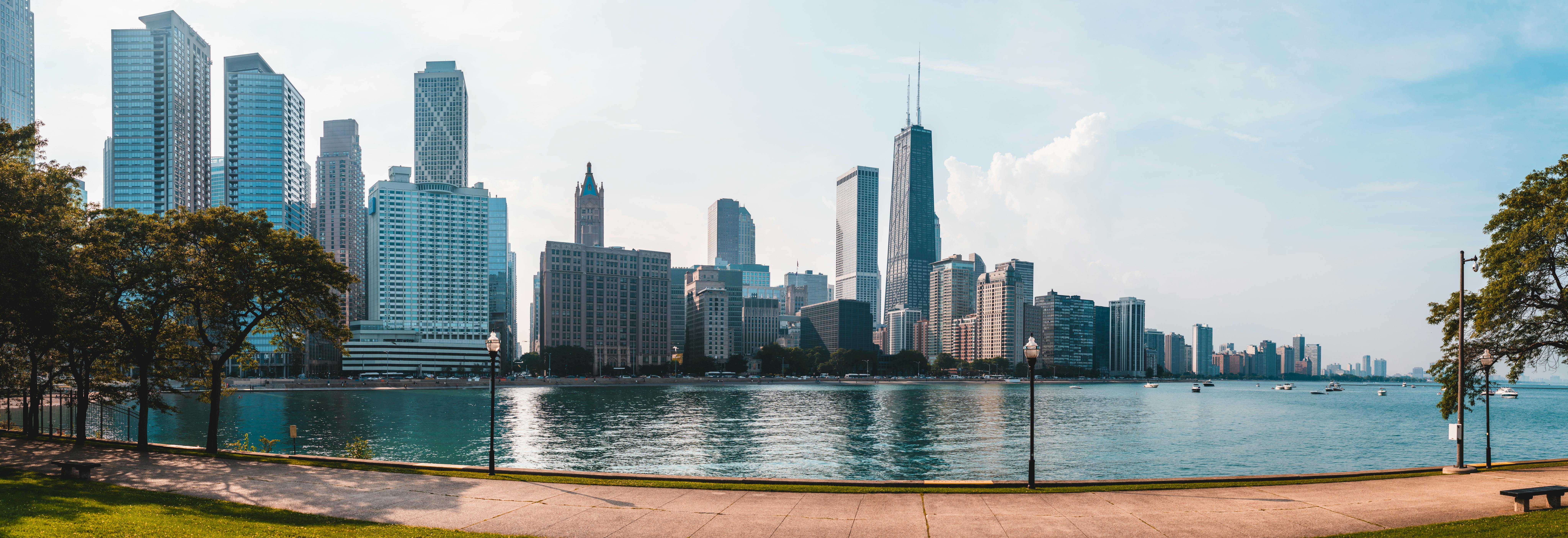
Local Bronzeville welcomes Lily Pad's Acai Bar on Cottage Grove, while Aldi preps a new South Loop location. Here's the latest Chicago food news.
 Local
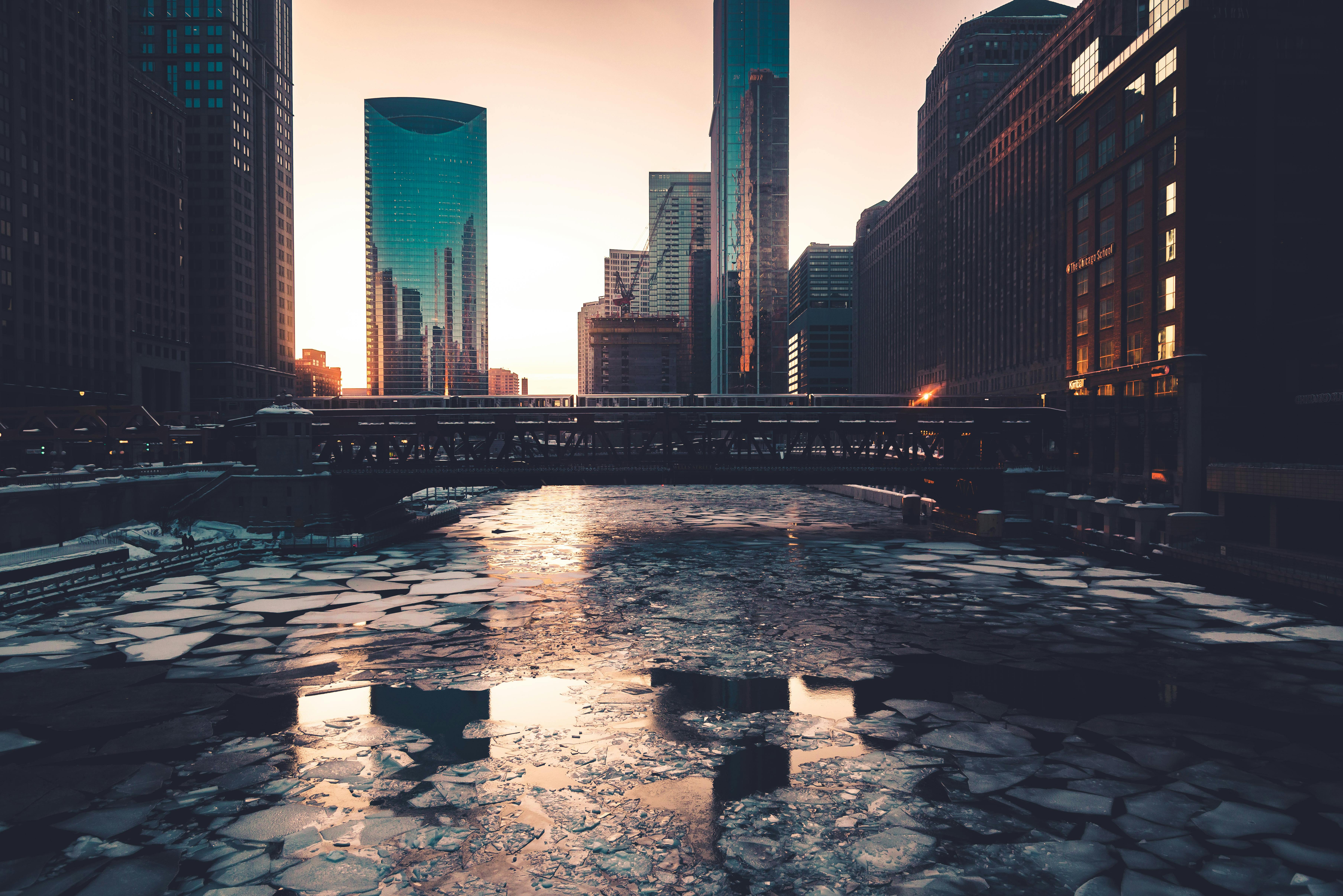
Local Google confirmed the renovated Thompson Center will keep its historic name and open as its Chicago headquarters in 2027, with a publicly accessible atrium.
 Local
Local A new poll finds 63% of Chicago-area voters view ICE negatively, with 7 in 10 saying a candidate's immigration stance shapes their vote.
 Local
Local Food Network star Darnell 'SuperChef' Ferguson is bringing his grocery store revolution to Chicago, teaching home cooks how to elevate comfort food classics without breaking the bank.
 Local
Local Nearly 250 officials and organizations demand a special prosecutor to investigate alleged ICE crimes during Operation Midway Blitz in Cook County.
 Local
Local Gino & Marty's Italian restaurant in Chicago's Fulton Market dodged eviction after settling $137K in unpaid rent, but faces $400K+ in total debts.