
Chicago Stands Alone Among Major Cities in Giving Mayor Council Leadership and Veto Powers
Chicago operates under a unique governance structure that concentrates unusual power in the mayor's office, making it the only major American city where the mayor both presides over the City Council and holds veto authority, according to an analysis of municipal government structures.
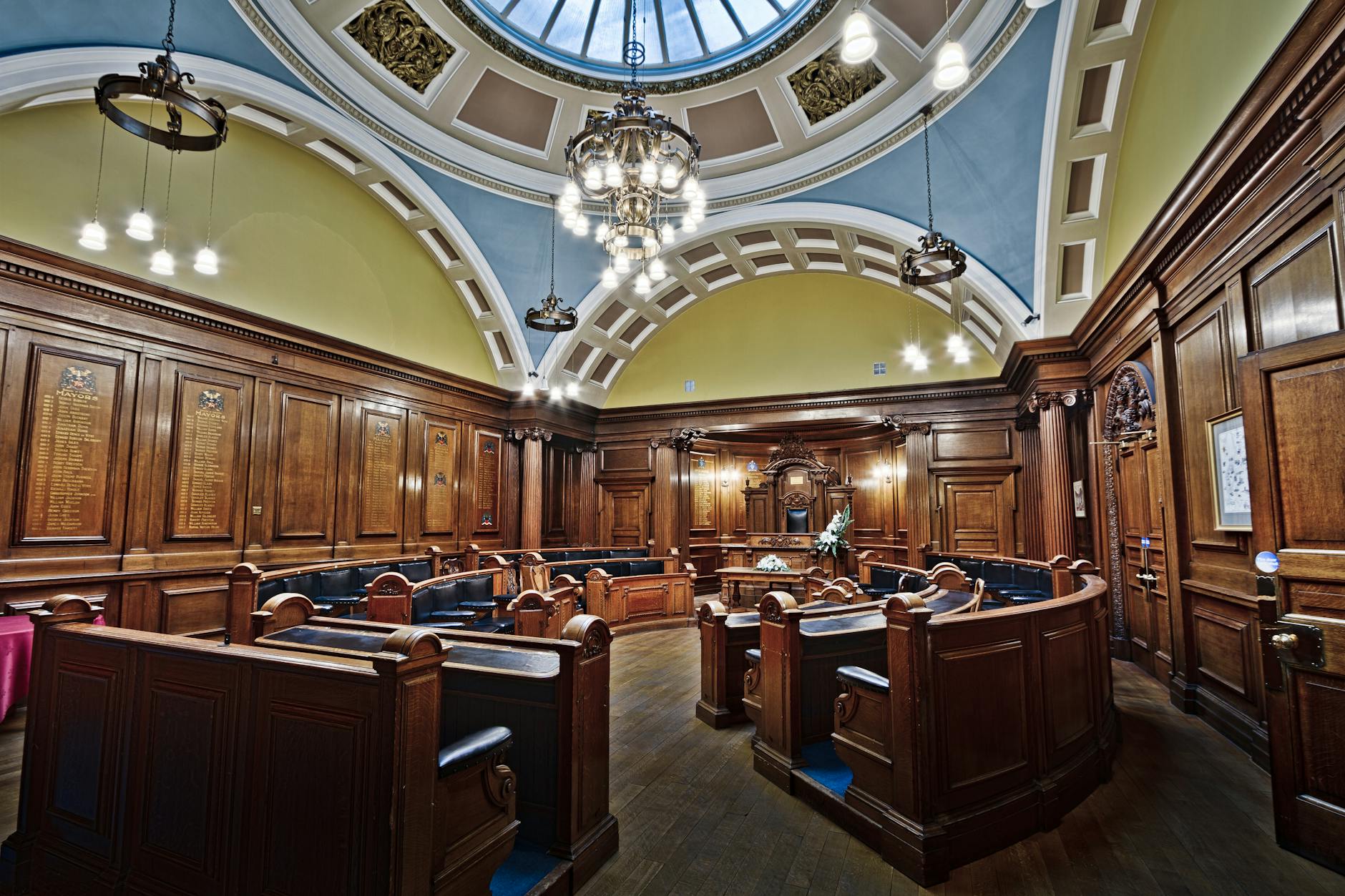
Chicago operates under a unique governance structure that concentrates unusual power in the mayor’s office, making it the only major American city where the mayor both presides over the City Council and holds veto authority, according to an analysis of municipal government structures.
Among the 15 largest U.S. cities by population, Chicago stands as the sole outlier in granting its mayor this dual executive and legislative role, according to research on municipal governance structures. This arrangement gives Mayor Brandon Johnson powers that his counterparts in other major cities do not possess.
Johnson acknowledged this unusual setup during a recent interview with Twitch streamer Hasan Piker, stating that Chicago “is unique in that the mayor, the executive, also presides over the legislative branch.” Johnson added, “Don’t get any ideas, you all. It’s working well for me.”
The concentration of power differs markedly from governance structures in other major cities. In municipalities where mayors hold significant executive authority, city councils typically elect their own Speaker or Council President, according to the analysis. This position usually rivals the mayor’s influence over city government and helps the council function as an independent legislative body.
Houston represents the closest comparison to Chicago’s system, as its mayor also presides over council meetings. However, Houston does not grant its mayor veto powers over legislation, maintaining a clearer separation between executive and legislative functions.
Cities operating under council-manager governance structures commonly allow mayors to preside over council meetings, but these mayors typically hold little executive authority beyond running meetings. In these systems, an appointed city manager exercises the primary executive functions.
Chicago’s structure concentrates both executive authority and legislative leadership in the mayor’s office, creating what critics describe as insufficient checks and balances on executive power. The mayor’s ability to preside over council meetings while also holding veto power over legislation reduces the institutional separation between executive and legislative branches.
The system also grants Chicago mayors additional influence through their authority to fill City Council vacancies through direct appointment. State law permits this practice, which further undermines council independence by allowing mayors to place allies in vacant seats.
Reform advocates have identified two potential paths to rebalance Chicago’s governance structure. The first involves allowing the City Council to elect its own presiding officer, similar to systems used in New York City and Los Angeles. As a home rule municipality, Chicago possesses broad powers to implement such changes unless explicitly prohibited by state law.
This approach would increase the council’s institutional power while preserving the mayor’s veto authority, creating a more balanced system of checks and balances. The council could shift authority internally without eliminating executive oversight of legislation.
The second reform option requires action at the state level. Illinois lawmakers could introduce legislation ending the mayor’s ability to appoint council members to fill vacancies. This change would place Chicago on equal footing with peer cities where such appointments follow different procedures.
State-level legislative reform presents greater political challenges but offers the most direct path to restructuring city government. Such changes would provide Chicago residents with governance that offers stronger checks and balances between executive and legislative functions.
The current system’s concentration of powers in the mayor’s office has drawn scrutiny from governance experts who argue it undermines the council’s ability to effectively check executive authority. Reform proposals aim to rebalance the system toward more deliberative legislative governance while maintaining executive efficiency.
Chicago’s unique governance structure reflects historical decisions about municipal power distribution that now set it apart from every other major American city. Whether residents will see changes to this system depends on political will at both local and state levels.