
CTA Expands Safety Plan to Protect Federal Transit Funding
The Chicago Transit Authority unveiled a new security package with increased police presence and stricter enforcement to safeguard hundreds of millions in federal funds.
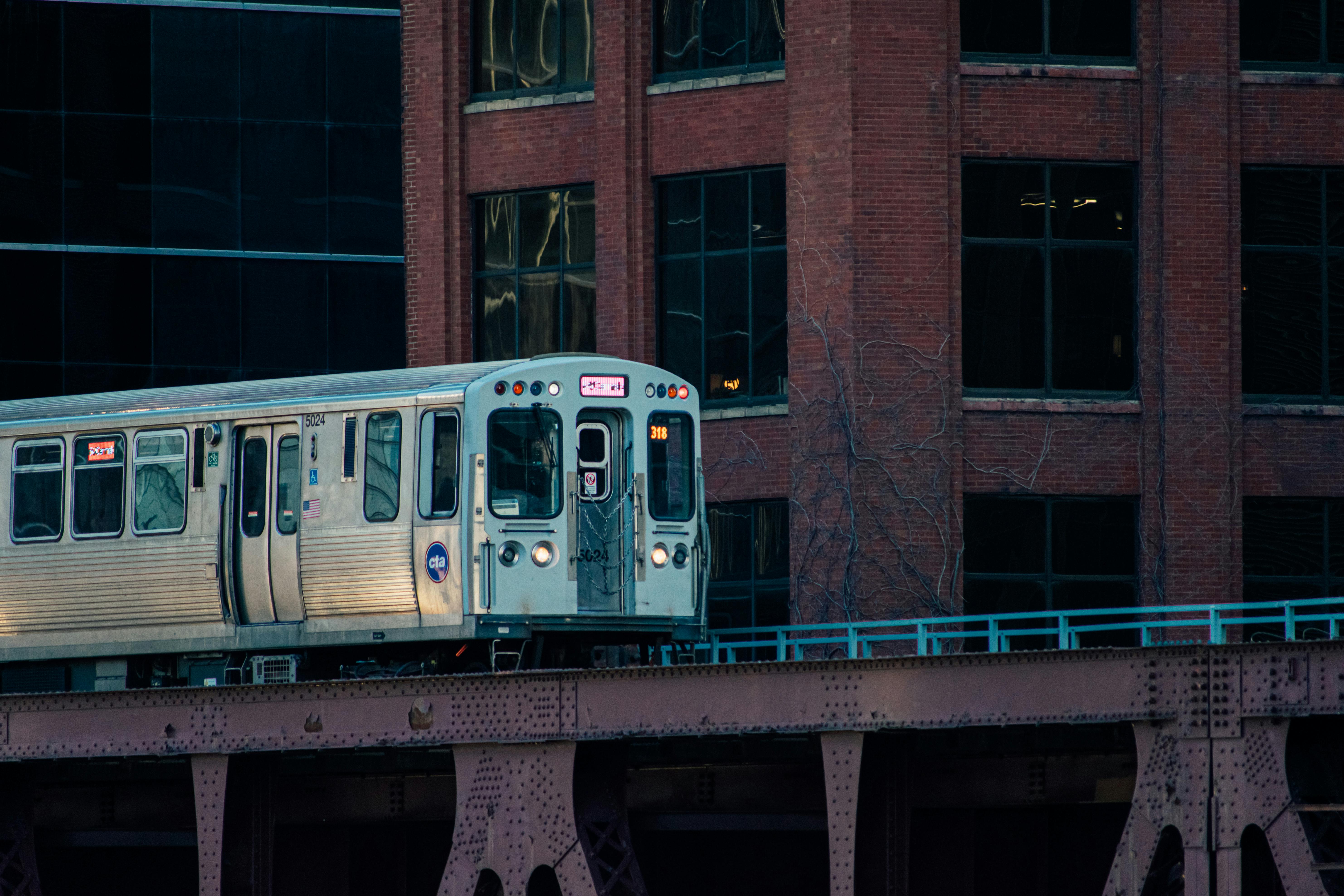
The Chicago Transit Authority has unveiled an expanded safety plan designed to protect the agency’s federal funding stream, responding directly to pressure from Washington as the Trump administration scrutinizes transit systems across the country.
The CTA’s new security package includes increased police presence at stations, expanded camera coverage, and stricter enforcement protocols targeting fare evasion and criminal activity on platforms and trains. The push comes as federal officials have signaled they may withhold transit dollars from cities they deem insufficiently tough on public safety.
For Chicago, the stakes are significant. The CTA depends on hundreds of millions in federal funds annually to keep buses and trains running across a city where roughly a third of residents use public transit to get to work, school, and medical appointments. Losing that money would not simply be a budget headache. It would gut service on lines that South and West Side neighborhoods rely on most, the same communities that already bear the sharpest edge of disinvestment.
The timing here matters. The CTA has spent the better part of the last three years fighting a perception problem as much as a crime problem. Ridership fell sharply during the pandemic and recovered more slowly in Chicago than in peer cities. High-profile incidents on the Red Line and other corridors made national headlines and gave critics of public transit, many of them ideologically opposed to it regardless of safety data, fresh ammunition. The agency has been playing catch-up ever since.
What the CTA is now doing, at least in part, is political theater performed for a federal audience. That is not an insult. It is a recognition that funding flows from perception as much as performance, and that city officials understand how Washington currently works.
The plan does contain substantive elements. Additional Chicago Police Department officers deployed to transit hubs, notably high-traffic stations like Howard on the Red Line, represent a real operational commitment. The expansion of surveillance infrastructure, while it raises legitimate civil liberties questions that deserve public debate, reflects the kind of visible security posture federal reviewers tend to reward.
Mayor Brandon Johnson’s administration has walked a careful line here. Johnson came into office with progressive credentials and a skepticism of policing-first solutions. His willingness to embrace an enforcement-forward transit safety plan reflects both the political reality of federal funding dependence and the genuine pressure his constituents feel when they ride the L.
Chicago is not alone in this position. Transit agencies in cities across the country face the same calculus. Accept the federal government’s current definition of adequate safety, or risk losing the dollars that keep public transportation alive.
Critics on the left will argue that heavier policing on transit pushes out the unhoused riders and low-income commuters who have nowhere else to go. Those concerns deserve serious weight. The CTA’s stations have become de facto shelters for people with no other options, and a purely enforcement-based response to that reality is both inadequate and cruel.
Critics on the right will argue the CTA should have acted sooner and more aggressively. Chicago riders who have witnessed or experienced crime on the system will have sympathy for that view, even if the broader political framing around it is cynical.
The honest picture sits somewhere between those poles. Crime on the CTA, while it generated outsized attention, never reflected the actual statistical experience of most daily riders. But perception shapes behavior, and behavior shapes ridership, and ridership shapes the financial case for keeping the system funded and functional.
What Chicago cannot afford, literally and practically, is to lose the federal investment that underwrites the buses serving Englewood and Roseland, the Blue Line carrying workers to O’Hare, the Red Line connecting the North Side to downtown. Those are not abstractions. They are the daily infrastructure of working-class Chicago life, the same kind of unglamorous but essential public investment this city has chronically underfunded and undervalued.
The CTA’s safety expansion may be driven by federal pressure. That does not make it unimportant. It makes the execution and the accountability around it all the more critical to watch.