
Chicago Must Refund Tens of Millions to Drivers After Judge Rules City Illegally Overcharged for Parking Tickets
A Cook County judge has ruled that Chicago systematically overcharged drivers for parking tickets and city sticker violations over more than a decade, potentially forcing the city to pay tens of millions of dollars in refunds.
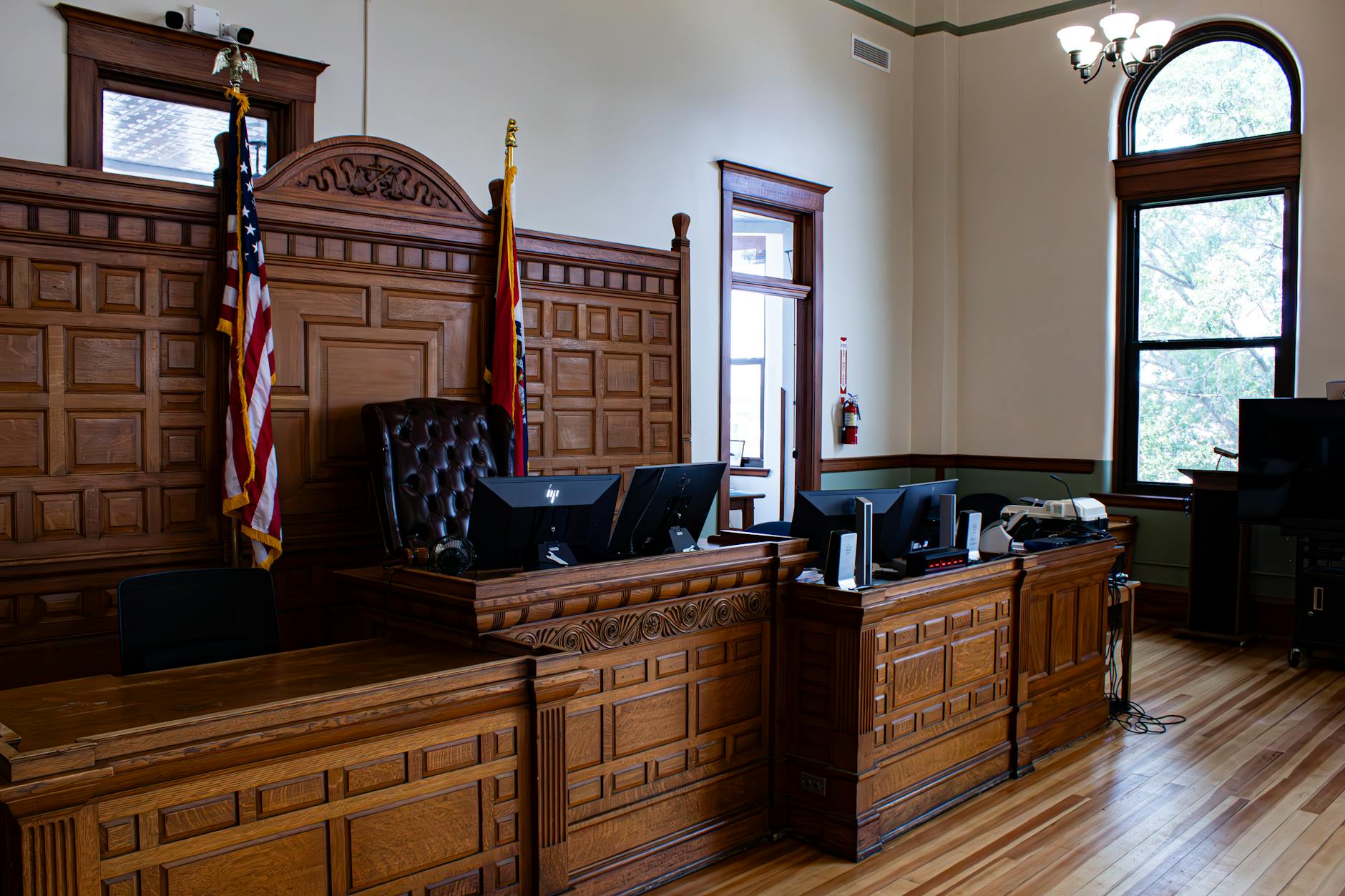
A Cook County judge has ruled that Chicago systematically overcharged drivers for parking tickets and city sticker violations over more than a decade, potentially forcing the city to pay tens of millions of dollars in refunds.
Judge William Sullivan determined the city violated Illinois state law by charging more than $250 total in fines and penalties for single violations, according to the ruling. The decision affects more than 1 million tickets issued over roughly a decade and could result in $163 million in refunds, according to attorneys representing affected drivers.
Kyle Garchar, one of the plaintiffs in the class-action lawsuit, faced $1,600 in fines for four city sticker violations while driving for Lyft and Uber. The excessive debt cost him his job, as drivers indebted to the city cannot work for rideshare companies, according to Garchar.
“It seems insane to me that the city can continue to give a ton of tickets in a very short timeframe, and target basically the poorest people that aren’t able to afford this,” Garchar said.
Illinois law caps the total amount of fines and penalties for a single ordinance violation at $250. The lawsuit accused Chicago of repeatedly ignoring that limit, sometimes charging drivers hundreds of dollars more than allowed when including late fees.
In 2012, the city raised fines for out-of-date city sticker violations from $100 to $200, with an additional $200 charge for late payment, according to the case details. Garchar noted the city makes obtaining vehicle stickers difficult in the first place.
“One of the things that is still crazy to me is that you can’t get the city sticker when you get your license and registration. So its maybe more intentionally more confusing,” he said.
Attorney Jacie Zolna, who brought the lawsuit, said city sticker tickets comprised about 80 percent of the case. She emphasized the practice harmed the city’s most vulnerable residents and spanned three different mayoral administrations.
“Make no mistake, this practice has harmed the most vulnerable people in this city, end of story, and it has spanned now three different administrations, and not a single one has done anything about it,” Zolna said.
According to the attorneys, Chicago stopped overcharging for parking tickets three years ago after the lawsuit was filed. However, Zolna criticized the city’s response to the legal challenge.
“The city, despite repeatedly losing this case and spending millions of dollars in outside counsel fees defending this suit, they have refused to cooperate in any way. They have refused to even offer a single penny to resolve the case,” Zolna said.
The ruling requires the city to refund drivers for amounts they paid over the $250 legal cap. If the decision stands, Chicago could owe tens of millions in refunds and interest while wiping out millions more in overcharged fines that remain unpaid, according to the attorneys.
This marks the second major victory for Zolna’s firm against Chicago’s ticketing practices. In 2017, the firm reached a $38.75 million settlement with the city over late fees charged for red light camera and speed camera tickets, according to court records.
City officials said they are reviewing their legal options following Judge Sullivan’s ruling, including a possible appeal. No refund process has been announced yet.
Zolna stressed the importance of holding the city accountable for breaking the law.
“If someone doesn’t hold the city accountable when they break the law, what’s going to stop them from doing this in the future?” she said.
The case highlights ongoing tensions between Chicago’s aggressive parking enforcement and state legal limits on municipal fines, affecting thousands of drivers who may now be entitled to refunds for illegally excessive charges.