
Skyline Furniture Opens 30,000-Square-Foot Facility in Thornton, Plans to Hire 50 Workers
Skyline Furniture opened a 30,000-square-foot woodshop last summer that can boost the company's overall manufacturing capacity by 30% to 40%, according to CEO Meganne Wecker. The expansion positions the Thornton-based furniture maker to add about 50 employees this year as it continues manufacturing beds, chairs and other furniture for major retailers including Wayfair and Target.
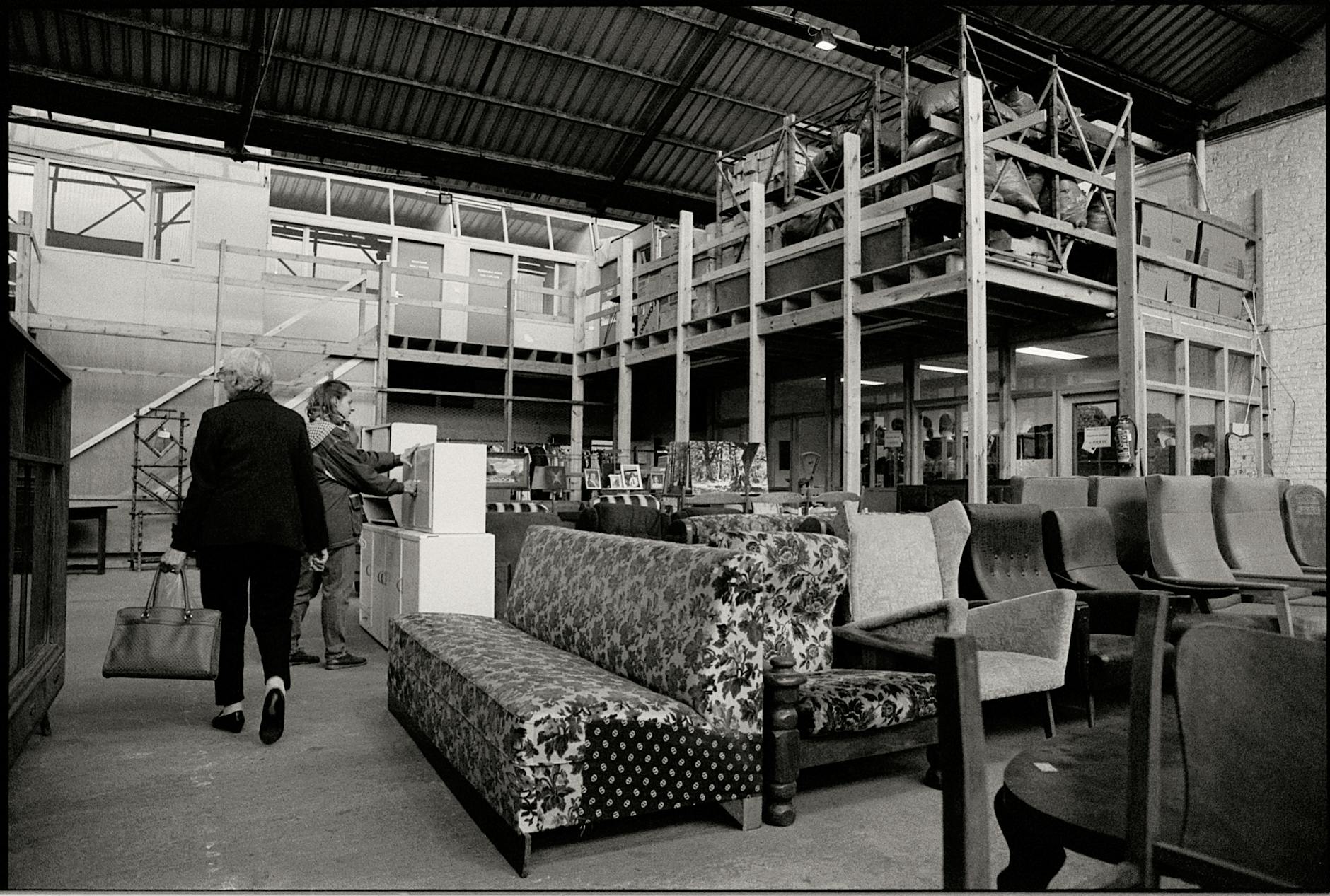
Skyline Furniture opened a 30,000-square-foot woodshop last summer that can boost the company’s overall manufacturing capacity by 30% to 40%, according to CEO Meganne Wecker. The expansion positions the Thornton-based furniture maker to add about 50 employees this year as it continues manufacturing beds, chairs and other furniture for major retailers including Wayfair and Target.
The new workshop represents the third facility at Skyline’s south suburban site and features high-tech heavy machinery for cutting furniture frames along with a new 3D frame design studio. Wecker, who leads the third-generation family business her grandfather founded in 1946, said the company is the only large upholstered furniture maker near Chicago.
“The expansion significantly reduces our exposure to overseas supply chain disruptions and price volatility,” Wecker said.
The hiring plans build on Skyline’s recent growth. The company added about 35 employees last year for woodshop and printer roles, as well as operations and sales positions, bringing its total workforce to about 435, according to Wecker. However, she noted that during stable economic periods, Skyline would normally hire hundreds of workers annually.
Skyline’s expansion comes as many U.S. businesses faced challenges from President Donald Trump’s tariffs in 2025, but the furniture maker proved more insulated due to its focus on local manufacturing. The company began shifting away from overseas suppliers in 2018 when Trump imposed tariffs during his first presidential term, coinciding with rising freight rates from China.
“We started to see the writing on the wall,” Wecker said. In 2019, Skyline began sourcing metal for bed frames from Michigan instead of China.
Trump threatened tariffs of 25% to 50% on some furniture products last fall, but the White House announced a one-year delay on those duties on Dec. 31. Wecker said if the tariff moves forward, the company expects to benefit as U.S.-made products become more competitive.
The company cannot source all materials domestically, including hardwood from Asia used for dining chairs and knit velvets made predominantly in China. Costs for fabrics rose 8% to 10% due to tariffs, according to Skyline. The company sources some fabric domestically and continues investing in equipment to print fabrics.
Despite the expansion, Skyline faces significant challenges. The furniture industry struggles with broader economic uncertainty, with home sales and renovations stagnating in recent years due to rising interest rates and other factors.
“When people aren’t buying homes, they aren’t buying furniture, and when our retail partners are hurting, we feel it too,” Wecker said. “The furniture industry as a whole is hurting.”
Finding skilled manufacturing workers presents another obstacle. Skyline seeks carpenters, foremen, machine operators and plant managers but faces limited options.
“As a country, we lack the expertise to run large-scale factory production, as this hasn’t been a focus for the past decade,” Wecker said. “The pipeline of college graduates trained for this type of manufacturing is very limited.”
She noted that while the federal government pushes to bring manufacturing back to the U.S., much of that knowledge has moved overseas.
The company continued expanding its e-commerce business last year, which gained popularity during the pandemic as consumers became more comfortable buying large items like furniture online. Despite industry challenges, Skyline’s sales rose 22% in 2025, according to Wecker.
The furniture industry has experienced significant volatility over the past five years, but Wecker emphasized the importance of adaptability.
“Right now, it’s all about flexibility and being okay with the uncertainty of everything,” she said. “It is difficult. Business likes stability. We’re hopeful for that in the year ahead, but I honestly don’t know.”