
Saint Alfred, Chicago's Iconic Sneaker Shop, Is Closing
Saint Alfred, the Wicker Park sneaker and streetwear store that anchored Chicago's creative scene for nearly 22 years, is closing at the end of April.
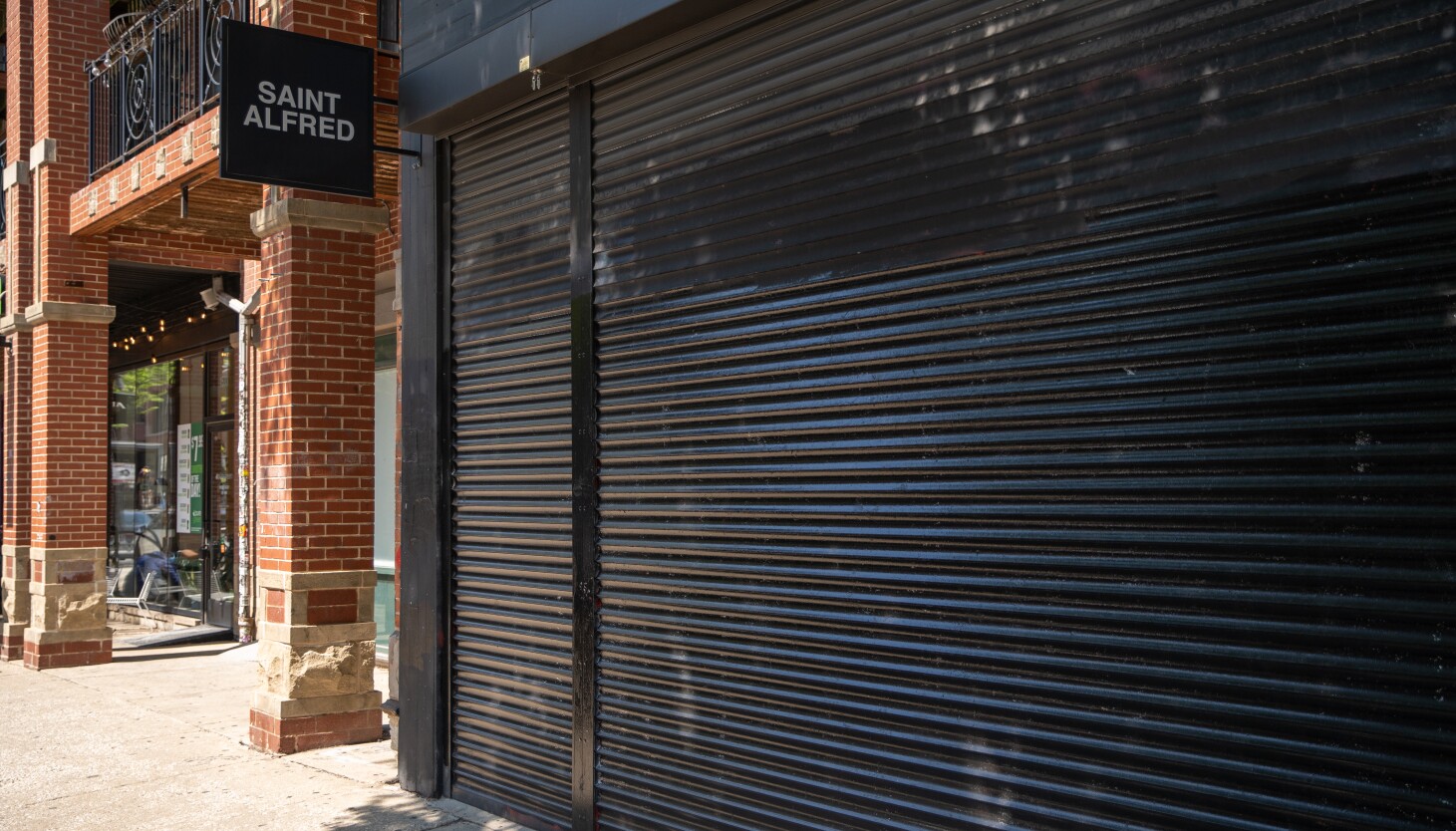
Saint Alfred, the Milwaukee Avenue sneaker and streetwear institution, is shutting its doors after nearly 22 years in Wicker Park. The shop confirmed the closure Wednesday through a statement on its website and Instagram, with no explanation given for why it’s ending now.
The post didn’t hedge. “The time has come to say goodbye,” it read. “The culture and community of Chicago is second to none and was and will forever be the light that inspires the world. Thank you for it all Chicago.” Store leadership wasn’t available for further comment, according to the Chicago Sun-Times.
Gone before May.
Saint Alfred opened in 2004 in a Wicker Park that barely resembles the neighborhood it’s become. The stretch of Milwaukee Avenue where the shop set up was still a genuine counterculture corridor then, not yet overrun by boutique hotels and chain restaurants. The store carved out a specific identity: a spot where, as the shop itself put it, “creatives, athletes and tastemakers all intersected.” That wasn’t branding at first. It was just accurate.
The store carried limited-edition sneaker releases from Nike, Adidas, New Balance, and other major labels, along with apparel curated tightly enough that customers lined up on the sidewalk for drops that sold out in hours. It collaborated with national and international brands over the years, punching well above its weight for a single-storefront operation. That’s not nothing. For a city that New York and Los Angeles have long treated as an afterthought in the fashion world, Saint Alfred was one of the few independent Chicago retailers that made those markets pay attention.
It’s worth saying plainly what that meant. Chicago’s streetwear scene spent years building a credible national profile, and stores like Saint Alfred were part of the scaffolding. The shop didn’t just sell product. It gave the city’s creative community a physical address, a place to converge, and a signal to the rest of the country that Chicago wasn’t waiting for permission to matter.
The closure lands at a hard moment for independent specialty retail across the board. The National Retail Federation has documented sustained pressure on brick-and-mortar shops since the pandemic, and that pressure hasn’t eased. The Illinois Retail Merchants Association has flagged similar headwinds at the state level, with rising rents and direct-to-consumer competition squeezing the kind of curated independent shops that once defined neighborhoods like Wicker Park. Saint Alfred’s statement didn’t attribute the closure to any of those forces, and without leadership on record, the reason stays opaque.
What isn’t opaque is the gap the store leaves. Wicker Park in 2004 was still a place where an independent sneaker shop could root itself, grow a loyal following, and build something that outlasted the hype cycle. Wicker Park in 2026 is a different equation, and Saint Alfred was one of the last physical connections to that earlier version of the neighborhood. The shop lasted nearly 22 years in a retail environment that’s chewed through far more established operations in far less time. That’s not an accident. That’s execution.
The end-of-April closing date means the store’s final weeks are already underway. Whether the space gets repurposed into something consistent with its block’s current direction, another bar, another co-working concept, another chain outpost, or sits empty for a while, isn’t known yet. What is known is that the community Saint Alfred described in its farewell post, the one it credited as the light that inspires the world, doesn’t have this particular gathering point anymore.
“The culture and community of Chicago is second to none,” the post said. It won’t be the last time someone says that. But it’ll land differently now, coming from a shop that built 22 years of credibility on Milwaukee Avenue and then had to say goodbye without explaining why.