
Chicago Latino Film Festival 2026: Latin America on Screen
The Chicago Latino Film Festival returns April 16 at Century Centre Cinema, showcasing films from Mexico, Cuba, Venezuela and across Latin America.
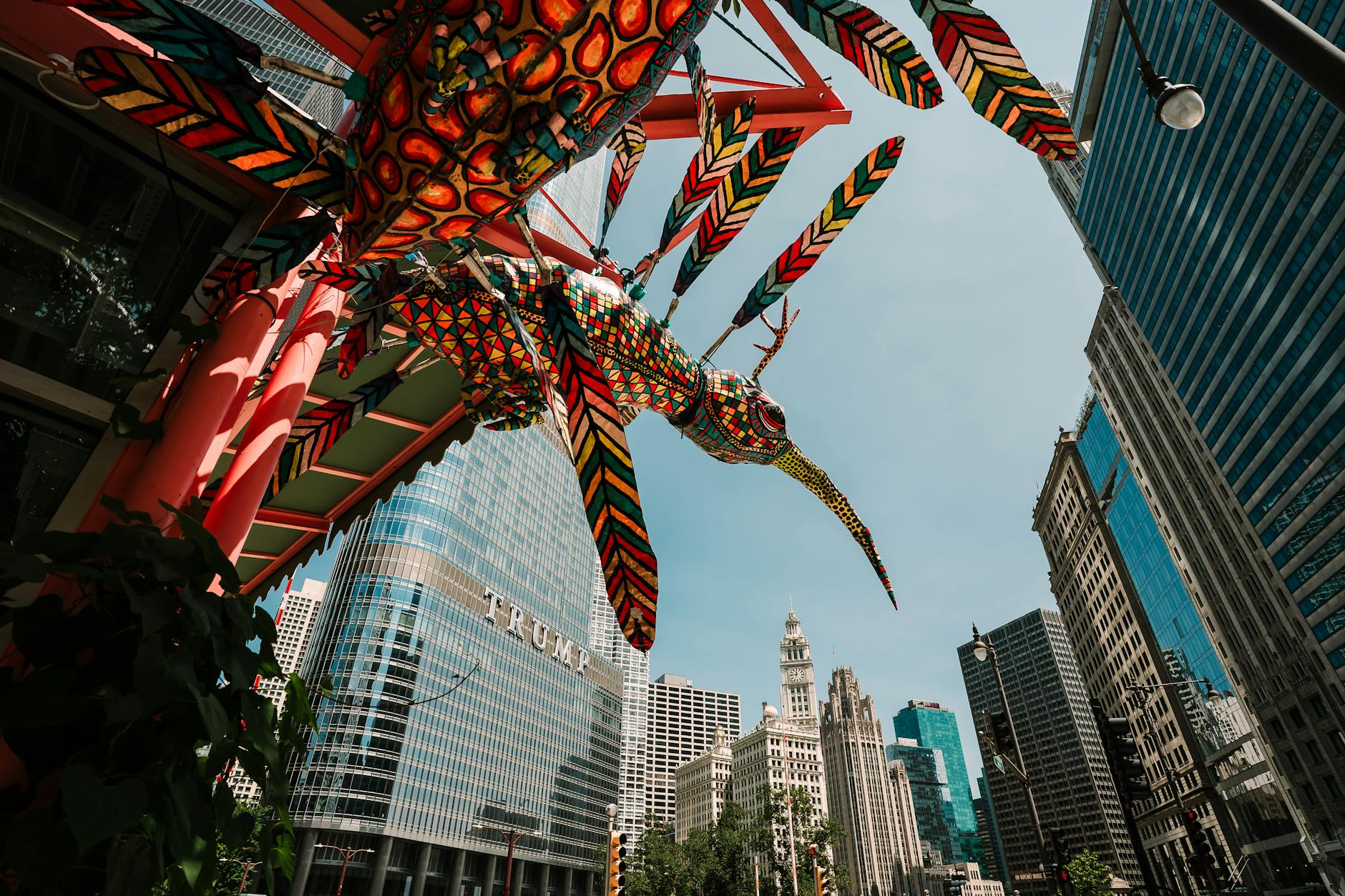
The Chicago Latino Film Festival kicks off April 16 at Landmark’s Century Centre Cinema on North Clark Street in Lake View, opening a two-week run of international and local independent cinema at one of the city’s few remaining art houses worth the name.
Films from Mexico, Venezuela, Cuba and across Latin American cinema fill the schedule through the end of the month. That geographic spread isn’t accidental. Founder Pepe Vargas said the 2026 lineup was assembled as a direct response to what he describes as a “new reality” facing Latino communities throughout the United States. His word choice was deliberate.
It doesn’t get more direct than that.
Vargas built the festival from the ground up, and it’s grown into one of the most significant Latino film events in the Midwest over its history. This year, organizers are framing the two-week program as a cultural exchange between Latin American countries and the U.S., pairing international titles against locally produced independent work from Chicago-based filmmakers. It’s a structure the festival has returned to repeatedly because it works. You get the international scope without losing the neighborhood connection.
Chicago’s Latino communities don’t cluster in one zip code. They stretch from Pilsen and Little Village on the southwest side out to Humboldt Park on the west, with roots running deep in all of those places. The festival has served those audiences for decades, and the organizers know their crowd isn’t looking for a geography lesson. They’re looking for stories that reflect something true about where they are right now.
Stories about migration, political pressure, family separation and identity don’t hit the same way in a 2026 screening room as they did five years ago. The people buying tickets understand that. So do the filmmakers who made these pictures.
“We wanted the programming to speak to what’s happening,” Vargas told reporters, describing the festival’s intent to address the pressures Latino communities are experiencing across the country through the specific, irreplaceable language of film.
That said, the festival isn’t positioning itself as a platform for political grievance and nothing else. It’s a film festival. The programming spans genres and countries. Short films run alongside features. Work from Mexico sits next to productions from Venezuela and Cuba. Chicago filmmakers share the marquee with internationally recognized directors. Genre variety matters here because the point isn’t to make audiences feel burdened. It’s to make them feel something.
Century Centre Cinema, at its North Clark Street address in Lake View, has been one of the better venues in Chicago for this kind of programming for years now. It’s an art house that doesn’t feel clinical, which counts when you’re showing cinema that demands attention and rewards patience. A multiplex setup would kill the atmosphere these films need.
The Chicago Sun-Times reported that organizers see the festival explicitly as a bridge between Latin American nations and the United States, using the combination of international selections and homegrown independent work to build that exchange across two weeks. That framing lines up with how Vargas has talked about the event publicly.
Chicago’s claim to one of the largest Latino populations in the country isn’t a marketing line. It’s a demographic fact, and it’s why a festival like this one can draw serious programming and serious audiences in the same building at the same time. Pilsen shows up. Little Village shows up. Humboldt Park shows up. The films they’re coming to see come from places their families know.
The 2026 edition opens April 16. That date lands in a specific political and cultural moment in this country, and the organizers aren’t pretending otherwise. They’re just letting the films do the work.